
Razo D
Reduces stomach acid production while accelerating digestive movement to ease persistent heartburn and nausea symptoms.
Medicine Details
- Categories
- Generics
- Indications
- Manufacturer
Where to Buy
Choose an available external shop by region.
Razo D: Rabeprazole and Domperidone
This branded medicine helps manage symptoms of heartburn, acid reflux, and general indigestion. Through the combination of rabeprazole and domperidone, the formulation works to neutralize acid output while encouraging your stomach to empty more efficiently.
What Is Razo D?
Razo D is a branded oral formulation that combines two distinct active compounds, rabeprazole and domperidone. It is widely categorized within digestive health, serving people who need a dual-action approach to manage chronic discomfort related to their stomach and esophageal function.
Rabeprazole functions as a proton pump inhibitor, while domperidone acts as a prokinetic agent. By addressing both the chemical source of excess acid and the mechanical slowing of the digestive tract, this medicine offers a specific therapeutic pathway. The product is manufactured by Dr. Reddy’s Laboratories Ltd., a company that produces various medications within the gastrointestinal health sector.
How Is Razo D Classified?
Across regulated markets including the United States, United Kingdom, Australia, and Canada, the components within this medicine are subject to strict healthcare oversight. While specific categorization depends on local laws, rabeprazole typically requires a prescription from a licensed provider. Domperidone regulation also varies; in some of these markets, it is strictly controlled, while in others, it is accessible through professional supervision during a pharmacy consultation.
Because this combination includes two agents with different roles, healthcare systems ensure that your use of this medicine is monitored. Whether you are navigating health services in the United Kingdom or other regions, local pharmacists and doctors verify that the dual mechanism of action aligns with your specific digestive needs.
Razo D: Form and Available Strengths
This medicine is conventionally provided in oral solid form, designed for consistent release once taken. Razo D effectively pairs a gastrointestinal inhibitor with a motility agent to help synchronize your digestive process. Dr. Reddy’s Laboratories Ltd. maintains specific manufacturing standards for this branded formulation. Platform-listed strengths and available pack sizes serve as a resource for you to check your current requirements before discussing options with a healthcare professional.
What Is Razo D Used For?
This medicine addresses common symptoms of digestive instability, including persistent heartburn and symptoms characteristic of GERD (gastroesophageal reflux disease). If you experience the sensation of acid rising into your throat, this formulation works to lower the total volume of acid being produced.
Additionally, this medicine is used to manage nausea and vomiting triggered by sluggish digestion. Many people find it helpful for alleviating general indigestion, a condition where the stomach does not move contents into the intestine effectively. By addressing the physical movement of the stomach, it assists in clearing the upper digestive tract, which can lower the frequency of reflux events.
How Does Rabeprazole and Domperidone Work in Razo D?
Rabeprazole works by shutting down the specific pumps in your stomach lining that manufacture acid. When these pumps are blocked, the pH levels in your stomach rise, which gives your esophageal lining a chance to heal from acid exposure. It is a powerful way to stop the “burn” at the source before the acid even enters your digestive path.
Domperidone then handles the mechanical side of things by tightening the muscles at the entrance of your stomach and relaxing the ones at the exit. Think of it as a signal to your gut to keep things moving forward rather than staying stagnant. By streamlining this process, the medicine prevents the backup that usually leads to nausea, vomiting, or the feeling of being over-full after eating only a small amount of food.
Where Razo D Fits in Its Drug Class
Rabeprazole belongs to the proton pump inhibitor (PPI) class, which is a modern standard for reducing stomach acid. These compounds are reliable for long-standing acid-related conditions because they maintain acid suppression for extended periods, allowing deep-tissue tissues to recover from constant exposure.
Domperidone inhabits the prokinetic class, which targets the movement of the digestive muscles. While PPIs handle the chemical environment, prokinetics are used to ensure the physical contents of the stomach do not linger too long. Together, they represent a class combination that addresses the two most common reasons for digestive distress: too much acid and too slow a transit time.
Safety Overview for Razo D
What to check before using this medicine
Before you begin, consider whether you have a history of sensitivity to either rabeprazole or domperidone. It is also important to note if you have existing cardiac conditions, specifically those related to your heart’s electrical rhythm, as these can influence how your body reacts to ingredients that affect gut motility.
Possible reactions and tolerability
Common responses to this approach typically involve mild digestive shifts or adjustments in how your stomach feels as it starts moving more regularly. Because the medicine influences the central nervous system to speed up gut transit, some people may notice minor side effects such as drowsiness or changes in mouth moisture. If these occur, they are generally manageable through minor lifestyle adjustments, but persistent changes should always be reviewed.
Interactions and health factors
Your liver and kidneys play a central role in filtering these compounds, so ensure your provider is aware of any existing challenges in these areas. Tell your doctor about other medicines you take, particularly those for heart issues or other stomach conditions. Product labeling and verified clinical sources remain the correct references for specific contraindications, interactions, and potential reactions.
Finding Razo D Online
- Patients in the United States, United Kingdom, Australia, Canada, and similar markets search for Razo D through online pharmacy directories and health platforms before speaking with a local provider.
- You can search for the specific branded name provided by Dr. Reddy’s to verify that you are looking at the correct, intended formulation.
- Many people review the combined ingredients of rabeprazole and domperidone to compare them with originator brands like Pariet or Motilium before deciding on a treatment plan with their doctor.
- Before your next appointment, checking for availability can help you better understand what options might be ready for your specific needs once a provider issues a note.
References
Important Safety Information for Razo D
Razo D is a combination medicine, utilizing rabeprazole and domperidone to target digestive discomfort from two directions. Products containing these compounds may differ based on strength, formulation, and your specific health history. This page provides information for educational purposes and does not authorize clinical application, self-directed interpretation, or unsupervised use. You should always review the manufacturer labeling, compare it with your own health situation, and speak with a healthcare professional when clinical judgment is needed for your care.
Usually available as
- 30 Capsule/sGRM382-30 Capsule/s
- 60 Capsule/sGRM382-60 Capsule/s
- 90 Capsule/sGRM382-90 Capsule/s
Related Medicines
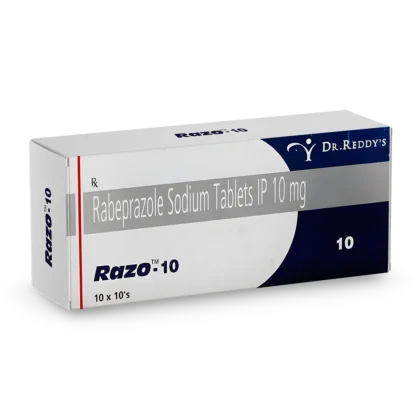
Razo 10 mg
Reduces acid production in your stomach to assist with symptom resolution and healing of delicate digestive tissues.
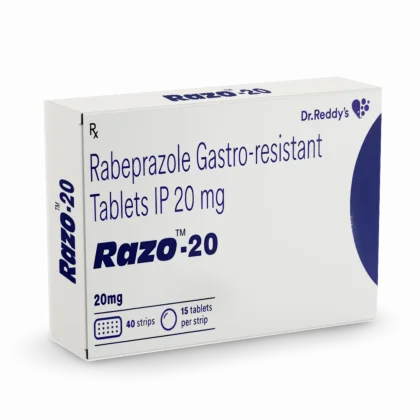
Razo 20 mg
Reduces acid production in the stomach to manage symptoms of acid reflux and support digestive healing.
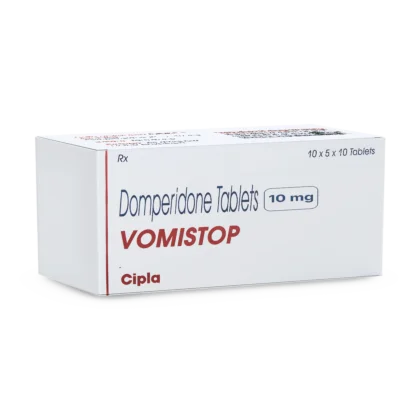
Vomistop 10 mg
Blocks dopamine receptors to speed up digestive movement and reduce the urge to finish meals in discomfort.
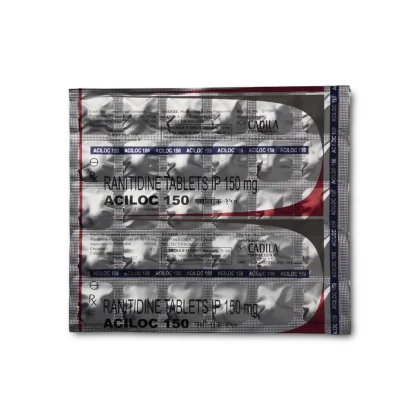
Aciloc 150 mg
Reduces stomach acid production to ease symptoms like heartburn, acid reflux, and internal digestive irritation.
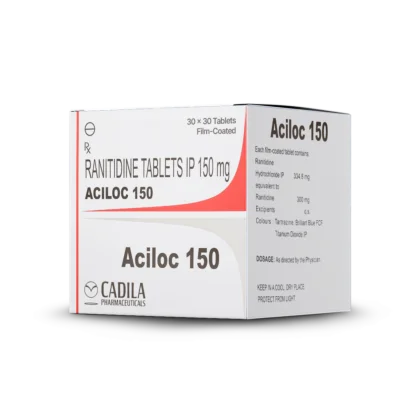
Aciloc 300 Mg
Reduces stomach acid production to ease symptoms of acid reflux and support healing of digestive tissue.
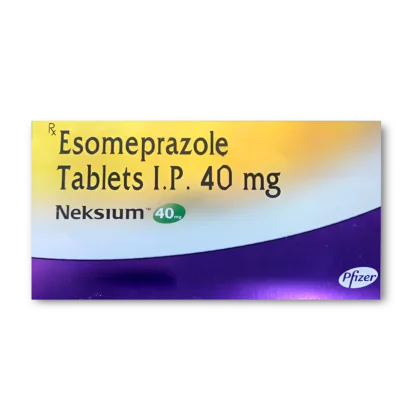
Neksium 40 Mg
Reduces stomach acid production to provide relief from persistent heartburn and support the healing of ulcers.
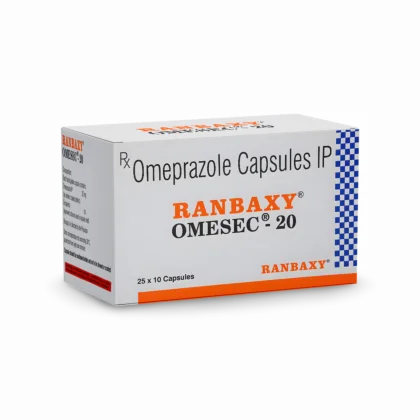
Omesec 20 mg
Reduces stomach acid production by blocking the enzyme responsible for final acid secretion in the stomach lining.
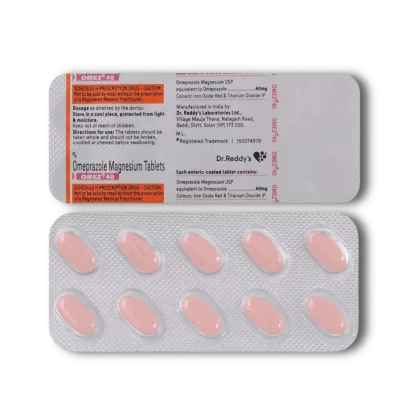
Omez 40 Mg
Reduces stomach acid production to relieve symptoms of acid reflux and support healing of gastric tissue.