
Pentids 400 mg
Targets specific bacterial cell walls to inhibit growth and manage various localized or systemic infections.
Medicine Details
- Categories
- Generics
- Indications
- Manufacturer
Where to Buy
Choose an available external shop by region.
Pentids 400 mg: Phenoxymethylpenicillin Tablets
Used to address bacterial infections, this generic medicine contains Phenoxymethylpenicillin, which interrupts the process bacteria use to build their protective cell walls. By weakening this barrier, the medicine stops the germs from thriving and allows your body’s natural defenses to resolve the infection.
What Is Pentids 400 mg?
Pentids 400 mg is a generic formulation containing Phenoxymethylpenicillin as its active compound. It belongs to the penicillin class of antibiotics, which are widely recognized for their role in managing various bacterial conditions.
This medication acts as an anti-infective agent, specifically designed to target susceptible bacteria. As a generic medicine manufactured under the Pentids label, it provides the same active mechanism found in originator brands like Penicillin VK and Veetids.
How Is Pentids 400 mg Classified?
Across regulated markets including the United States, United Kingdom, Australia, and Canada, Phenoxymethylpenicillin is generally classified as a prescription-only medicine. This regulatory status exists to ensure that a healthcare professional evaluates whether the specific infection is susceptible to penicillin before you begin the course.
While the core classification remains consistent, some variations in access exist across these regions. In certain markets, pharmacists may hold specific prescribing authority or provide therapeutic guidance, while others strictly require a medical practitioner’s authorization. Local requirements remain the primary factor in how you access this antibiotic.
Pentids 400 mg: Form and Available Strengths
Pentids 400 mg is formulated as oral tablets. This product is manufactured by Abbott Healthcare Pvt. Ltd.
The 400 mg strength represents the concentration provided by this specific formulation. While other strengths may exist within the broader clinical market, this page focuses on the common tablet form used for standard antibiotic courses.
What Is Pentids 400 mg Used For?
Pentids 400 mg assists with managing various bacterial infections that respond to penicillin-class antibiotics. It is frequently used for infections in the throat and mouth, such as strep throat and various dental infections.
This medicine targets the bacteria causing these symptoms to reduce the intensity of the infection. It is also used to address other specific bacterial conditions where the germ is confirmed to be sensitive to the Phenoxymethylpenicillin molecule.
How Does Phenoxymethylpenicillin Work in Pentids 400 mg?
Bacteria have to constantly build and repair their outer cell walls to survive and multiply, especially when they are actively infecting your tissues. Phenoxymethylpenicillin works by blocking the enzyme responsible for linking the components of these walls together.
Because your own human cells do not have these specific cell walls, the medicine targets the bacteria specifically without affecting your tissues directly. When those walls cannot hold their structure, the bacteria effectively fall apart, stop multiplying, and become much easier for your immune system to clear away entirely.
Where Pentids 400 mg Fits in Its Drug Class
Phenoxymethylpenicillin is a natural, acid-stable form of penicillin. This acid stability is what makes it suitable for an oral tablet, as it can survive the acidic environment of your stomach to be absorbed into your bloodstream.
The broader penicillin class includes many different compounds, but this specific type is a narrow-spectrum antibiotic. It is highly targeted, meaning it works effectively against specific bacterial strains while leaving many other beneficial bacteria in your system untouched.
Safety Overview for Pentids 400 mg
What to check before using this medicine
Phenoxymethylpenicillin requires caution if you have a known allergy to any penicillin-class or cephalosporin-class antibiotics. It is important to disclose any history of allergic reactions, including rashes, hives, or breathing difficulties, to your provider before starting.
Possible reactions and tolerability
Common reactions to antibiotics often involve your digestive system. Some people experience temporary stomach discomfort or changes in bowel movements while taking this medicine. These reactions are usually mild and related to the way the antibiotic influences your internal bacterial balance.
Interactions and health factors
Your liver and kidneys play a role in processing most medications, so it is important for your provider to know if you have any history of impairment in these areas. You should also list any other medications or supplements you take, as certain drugs can interact with how penicillin is processed by your body. Product labeling and verified clinical sources remain the correct references for specific contraindications, interactions, and potential reactions.
Finding Pentids 400 mg Online
- Patients in the United States, United Kingdom, Australia, and Canada and similar markets search for Pentids 400 mg through online pharmacy directories and health platforms before speaking with a local provider.
- You can search for the active compound name and the generic formulation to understand which versions are currently manufactured.
- Comparing the tablet form or strength online may assist you when discussing your current health needs with a healthcare provider.
- Checking the availability of generic Penicillin VK forms can help you identify if this medication is a suitable standard option for your situation.
References
Important Safety Information for Pentids 400 mg
Phenoxymethylpenicillin is a potent antibiotic that must be used strategically to address specific bacterial infections. Products containing this compound may differ in formulation or strength, and instructions for use should always be verified against the specific label provided with your medicine. This page does not authorize or encourage self-directed clinical use. You should always review professional product labeling, compare it with your own health history, and consult a healthcare provider for any diagnostic or treatment decisions.
Usually available as
- 30 Tablet/sGRM333-30 Tablet/s
- 60 Tablet/sGRM333-60 Tablet/s
- 90 Tablet/sGRM333-90 Tablet/s
Related Medicines
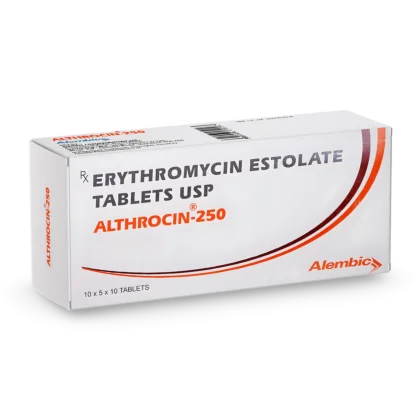
Althrocin 250 Mg
Targets protein production within bacterial cells to stop their multiplication and clear existing infections across body tissues.
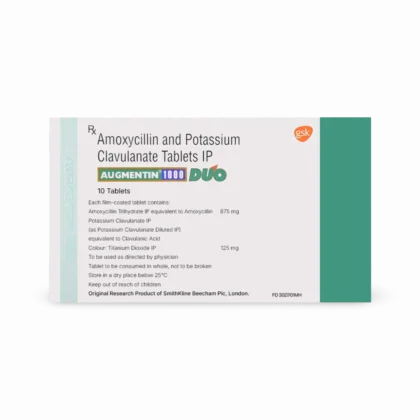
Augmentin 1000 Mg
Targets bacterial cell wall synthesis with a dual-acting formula designed to overcome specific resistance mechanisms.
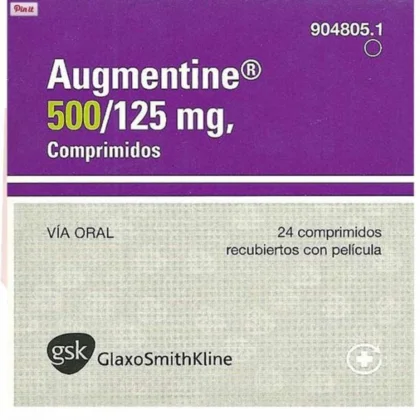
Augmentin 500 Mg+125 Mg
Combines an antibiotic with a bacterial enzyme inhibitor to clear diverse, resistant bacterial infection types.
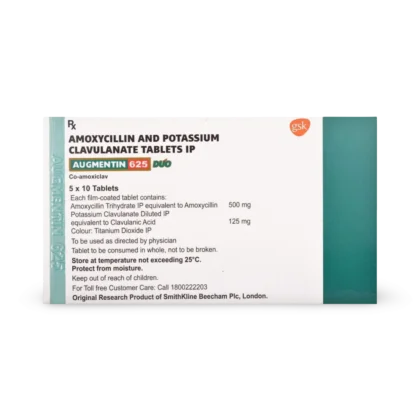
Augmentin 625 Duo Tablet
Targets resistant bacterial infections by preventing common resistance mechanisms while inhibiting bacterial cell wall synthesis.
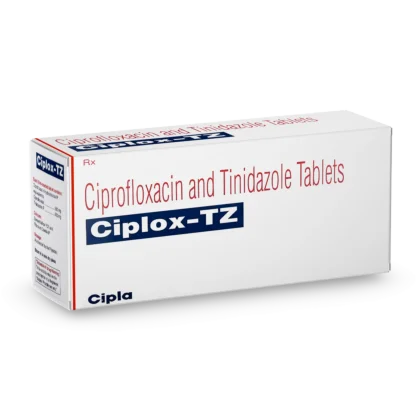
Ciplox TZ 500 Mg + 600 Mg
Targets diverse bacterial and protozoal pathogens by inhibiting essential DNA synthesis and replication pathways in microorganisms.
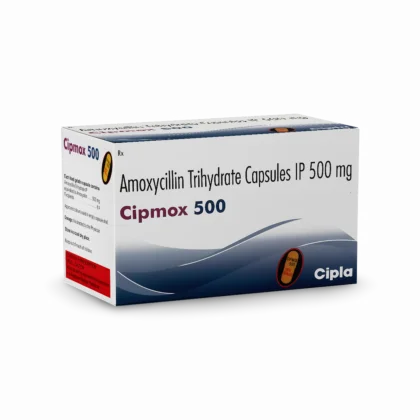
Cipmox 500 mg
Targets bacterial cell wall synthesis to effectively manage a range of common bacterial infections.

Clavam 625
Targets specific bacterial infections by inhibiting bacterial cell wall synthesis while preventing resistance-causing enzyme breakdown.
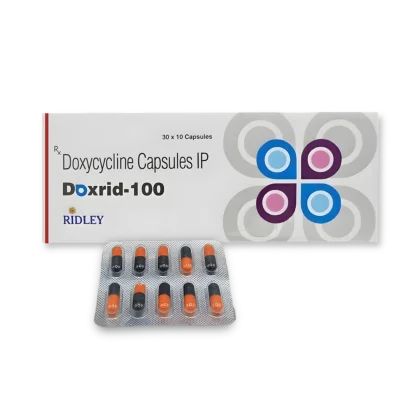
Doxrid 100 mg
Targets protein synthesis within bacterial cells to halt their growth and manage a wide range of infections.
Related Articles
2026-06-07
Generic Medicines FAQ
A plain-language FAQ about how generic medicines are listed in the catalog.