
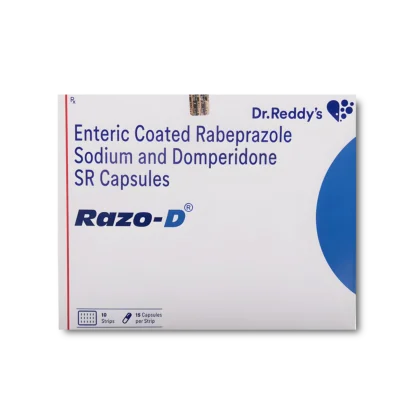
Razo D
Reduces stomach acid production while accelerating digestive movement to ease persistent heartburn and nausea symptoms.
Vomiting can feel overwhelming, turning simple daily routines into a significant struggle. When the urge becomes persistent, you may look for options to settle your stomach and restore your comfort. Two formulations are listed below, covering antiemetic agents like domperidone and combination treatments that address acid reflux alongside nausea.
Reduces stomach acid production while accelerating digestive movement to ease persistent heartburn and nausea symptoms.

Blocks dopamine receptors to speed up digestive movement and reduce the urge to finish meals in discomfort.
Vomiting is the forceful, involuntary emptying of the stomach through the mouth. It is not a disease in itself but a physiological response triggered by the brain—specifically the vomiting center—in response to irritation, infection, or internal distress. While it is a protective mechanism to rid the body of harmful substances, frequent episodes can lead to dehydration and fatigue.
Common triggers include viral gastroenteritis, food poisoning, or motion sickness. Some people experience this symptom as a result of hormonal changes, severe pain, or reactions to certain treatments. Regardless of the spark, the physical sensation often leaves you feeling drained and sensitive to lights, sounds, and smells. Understanding your specific triggers is a fundamental step in finding relief.
Treatment centers on managing the underlying trigger while using antiemetic medications to suppress the nausea and vomiting reflex. Antiemetics work by blocking specific chemical receptors in the brain and digestive tract that tell the stomach to contract. Physicians typically evaluate whether the issue is related to motility, acid production, or sensory signal errors in the nervous system.
Patients across the United Kingdom, the United States, and other global markets access these treatments through pharmacy and clinic channels. In cases where nausea is linked to issues like acid reflux or gastric stasis, providers often combine agents that balance stomach acid with those that stabilize stomach movement. Choosing the right class depends on symptoms and your medical history.
Medications for this condition generally fall into the category of antiemetics, which are designed to quiet the nausea signal. These are available in tablet, capsule, or sometimes liquid formats, each selected based on how quickly you need relief and how easily you can keep a medication down.
These medications block dopamine receptors in the area of the brain that triggers the gag reflex. They also support movement in the upper gastrointestinal tract, ensuring contents move downward rather than upward. This class is commonly used for patients experiencing nausea related to digestive motility issues.
Some treatments pair an antiemetic with a proton pump inhibitor to neutralize gastric acid. By managing both the neurological urge to vomit and the acidity of the stomach, these combination products address multiple layers of discomfort. This approach is often indicated when vomiting occurs alongside symptoms of acid indigestion or gastroesophageal irritation.
It is essential to consider whether your symptoms are acute or chronic. Persistent vomiting can be a sign of urgent medical conditions that require more than just symptomatic management. Always verify that the underlying cause has been assessed before starting any new medication, particularly if you are experiencing signs of severe dehydration, fever, or abdominal pain.
Antiemetics may cause side effects such as drowsiness, dizziness, or dry mouth as they influence neurological receptors. Some individuals find that the effectiveness of these medications varies depending on the cause of the nausea. If you notice an increase in confusion or heart palpitations, stop the medication and seek guidance from a medical professional immediately.
Certain medications used for nausea can interact with drugs that affect your heart rhythm or those that slow down your digestive system. If you have pre-existing conditions involving your cardiovascular system or liver, these factors must be discussed with a provider, as they can alter how your body processes medication. Product labeling and verified clinical sources remain the correct references for specific contraindications, interactions, and potential reactions.
Antiemetic : A class of medication designed to prevent or reduce nausea and the urge to vomit.
Dopamine Antagonist : A type of medicine that blocks brain receptors to stop the transmission of nausea signals.
Motility : The ability of the digestive system to move contents through the stomach and intestines efficiently.
This page provides an educational overview of vomiting and the medication categories listed — not medical advice. Individual products differ in active ingredient, formulation, strength, and directions. The page does not authorize self-directed selection, clinical interpretation, or unsupervised use. Readers should review individual product labeling and speak with a healthcare professional when clinical judgment is needed.