
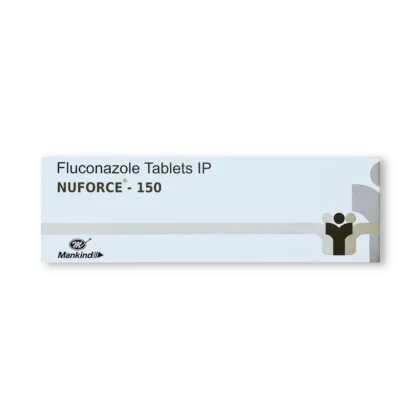
Nuforce 150 tablet
Targets fungal cells by disrupting their membrane synthesis to stop the spread of infection throughout the body.
Vaginal yeast infection, or candidiasis, often brings an uncomfortable combination of itching, irritation, and noticeable changes in discharge. When a disruption occurs in the normal balance of yeast and bacteria, these symptoms can become very persistent. One formulation is listed below, featuring the antifungal agent fluconazole to address the underlying fungal overgrowth.
Targets fungal cells by disrupting their membrane synthesis to stop the spread of infection throughout the body.
Vaginal yeast infection develops when the fungus Candida begins to multiply beyond typical levels. While this fungus naturally resides in the vaginal microbiome, factors such as hormonal shifts, antibiotic use, or changes in pH levels can trigger an overgrowth. This leads to the characteristic symptoms—intense itching, soreness, and a thick, white discharge—that many individuals encounter at some point.
Beyond the physical discomfort, the experience can be quite stressful, often impacting daily routines and overall well-being. Recognizing the symptoms early is an important part of managing the condition effectively. While symptoms are often distinct, they can sometimes overlap with those of other vaginal conditions, making a clear understanding of your personal health history essential for managing comfort and recovery.
Treatment primarily focuses on using antifungal medications to reduce the population of Candida and restore balance to the area. These medications belong to the azole class of antifungals, known for their ability to disrupt the growth of fungal cell walls. By effectively stopping the yeast from reproducing, these treatments allow the body’s natural flora to re-establish stability.
Access to these treatments varies across different global regions. In many jurisdictions, localized treatments are available without a prescription, while systemic options—such as oral tablets—may require a pharmacist’s review or a provider’s authorization. If you are experiencing symptoms for the first time or if discomfort remains persistent despite initial care, reaching out to a healthcare professional is the standard path to ensure the correct diagnosis.
The treatment landscape generally divides into two main categories: topical applications and oral systemic treatments. Each serves a specific purpose depending on the severity of the infection and personal preference for administration. Understanding these differences can inform the conversation you have with a provider when determining the appropriate approach for your specific situation.
Topical formulations include creams, ointments, or suppositories applied directly to the affected tissue. These treatments work locally and are often used over several days to provide relief from itching and irritation. They are designed to deliver the active antifungal ingredient exactly where the overgrowth is most concentrated.
Oral treatments consist of tablets that distribute the medication through the bloodstream to reach the site of the infection internally. These are often utilized as single-dose sessions to address the fungal overgrowth more conveniently than topical options. Because these work systemically, they are evaluated based on your overall health profile to ensure they do not interact with other medications or existing health factors.
It is important to confirm that your symptoms are indeed linked to a yeast infection. Because bacterial or parasitic infections can present with similar itching or discharge, using an antifungal when it is not indicated may not provide the relief you need. An accurate diagnosis ensures you select the treatment that addresses the actual cause of your discomfort.
While antifungal medications are generally well-tolerated, some individuals may experience minor local dryness or skin sensitivity when using topical formulations. Systemic oral treatments are sometimes associated with mild digestive distress or headaches. Monitoring how your body responds during the treatment period helps you identify if a different formulation might be more comfortable for you.
Your overall health profile, including any existing medical conditions or other medicines you are currently taking, plays a role in treatment selection. Certain systemic antifungals may be contraindicated if you have specific liver or kidney health concerns. Product labeling and verified clinical sources remain the correct references for specific contraindications, interactions, and potential reactions.
This page provides an educational overview of vaginal yeast infection and the medication categories listed—not medical advice. Individual products differ in active ingredient, formulation, strength, and directions. The page does not authorize self-directed selection, clinical interpretation, or unsupervised use. Readers should review individual product labeling and speak with a healthcare professional when clinical judgment is needed to ensure the chosen treatment is appropriate for their specific health needs.