

Bactrim DS Tablet
Targets bacterial growth by blocking essential folate synthesis, providing broad-spectrum coverage for common respiratory and urinary conditions.
Dealing with a urinary tract infection feels overwhelming when you are managing persistent discomfort, urgency, and the fatigue that follows a disruption to your daily routine. Six formulations are listed below, covering antimicrobial treatments such as sulfonamides, cephalosporins, and fluoroquinolone-based combinations used to address bacterial colonization within the urinary tract.
Targets bacterial growth by blocking essential folate synthesis, providing broad-spectrum coverage for common respiratory and urinary conditions.
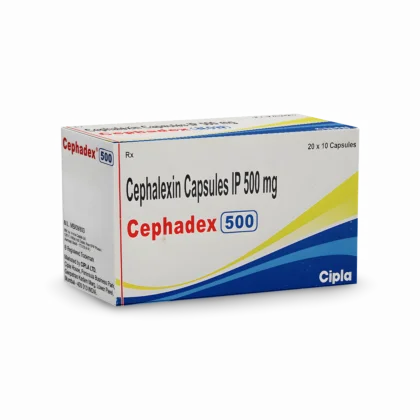
Blocks bacterial cell wall formation to stop the growth and spread of sensitive bacterial infections.

Targets diverse bacterial and protozoal pathogens by inhibiting essential DNA synthesis and replication pathways in microorganisms.

Targets bacterial infection pathways by disrupting cell wall synthesis to stop the growth and spread of bacteria.

Blocks bacterial production of essential folic acid to neutralize and prevent the spread of diverse bacterial infections.

Targets bacterial cell wall synthesis to effectively address a variety of respiratory and urinary tract infections.
Urinary tract infections occur when bacteria, typically from the skin or digestive tract, enter the urethra and begin to multiply inside the bladder. This invasion triggers an inflammatory response in the delicate lining of the urinary system, which leads to the familiar symptoms of burning during urination, pressure in the lower abdomen, and an involuntary, constant need to visit the restroom.
When these bacteria move upward from the bladder into the ureters or kidneys, the condition becomes more serious. Understanding that your symptoms originate from a specific bacterial imbalance is the first step toward finding the right care. Recognizing the early signs allows for intervention before the infection spreads higher into the renal system, where it can cause systemic illness.
Effective management of this condition centers on eliminating the underlying bacterial cause using specific antimicrobial medications. These products are broadly categorized into systemic antibiotics and combination antibacterial therapies, each designed to disrupt the bacterial cell walls or metabolic processes that allow the infection to sustain itself.
Treatment paths vary, including oral cephalosporins like cephalexin, which work by inhibiting bacterial cell wall synthesis, and sulfonamide-based combinations like those containing sulfamethoxazole and trimethoprim. In certain cases, healthcare providers may select combination products that pair fluoroquinolones with other agents to provide a broader spectrum of action against specific resistant bacteria. These medications are strictly regulated across global markets, generally requiring professional assessment to determine the appropriate course for your specific strain of bacteria.
Medications for this condition are organized by their mechanism of action and their target spectrum. Understanding these differences helps you better navigate discussions with a healthcare professional regarding which therapy best suits your medical history.
These dual-action treatments combine two antimicrobial substances to prevent bacteria from producing folic acid, a compound they need to survive and multiply. By blocking this pathway, the medication effectively halts the progression of the infection and assists the immune system in clearing the remaining bacteria.
These agents act directly on the integrity of the bacterial cell wall, causing it to weaken and eventually rupture. They are frequently used for their focused activity against the most common pathogens found in the urinary tract. The duration of therapy with these agents is carefully monitored to ensure the infection is fully resolved while accounting for your potential sensitivities to beta-lactam antibiotics.
Some therapeutic approaches use combination formulations to address both aerobic bacteria and certain protozoal or anaerobic organisms that may complicate a urinary tract infection. These combinations are typically reserved for situations where a single antibiotic might not cover the range of suspected pathogens.
Treatment should only commence after a confirmed clinical assessment, as selecting the incorrect class of antibiotic can lead to the development of resistant bacterial strains. Sharing your full health history is essential, particularly if you have a known history of antibiotic allergies or impaired renal function.
Antibiotics can affect the natural balance of beneficial bacteria in your body, which may lead to secondary issues such as digestive distress or yeast infections. Recognizing that these adverse reactions are common allows for prompt management, but you should monitor any signs of hypersensitivity, such as rashes or difficulty breathing, which require immediate professional attention.
Many antibiotics interact with routine supplements, anticoagulants, or other chronic medications. Your liver and kidneys play a central role in processing these substances, meaning that pre-existing conditions in these organ systems may require a dosage adjustment or the selection of a different medication class. Product labeling and verified clinical sources remain the correct references for specific contraindications, interactions, and potential reactions.
This page provides an educational overview of urinary tract infections and the medication categories listed — not medical advice. Individual products differ in active ingredient, formulation, strength, and directions. The page does not authorize self-directed selection, clinical interpretation, or unsupervised use. Readers should review individual product labeling and speak with a healthcare professional when clinical judgment is needed to ensure the chosen treatment is appropriate for their specific case.