
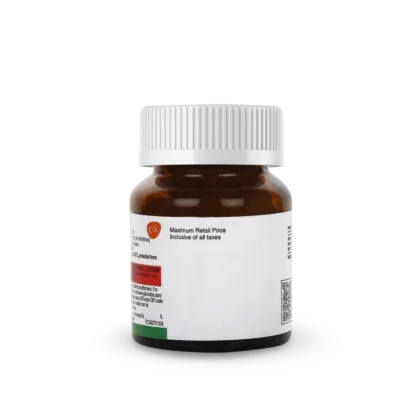
Eltroxin 100 mcg Tablet
Replaces or supplements natural thyroid hormone production to support your metabolism and energy level regulation.
Living with an underactive thyroid can feel overwhelming, as your body struggles to generate the hormones necessary to keep you energized and balanced. When your system lacks these signals, daily life often becomes a task of managing persistent fatigue and mood changes. Four thyroid-focused formulations are listed below, including levothyroxine sodium therapies (Eltroxin, Synthroid, Thyronorm).
Replaces or supplements natural thyroid hormone production to support your metabolism and energy level regulation.
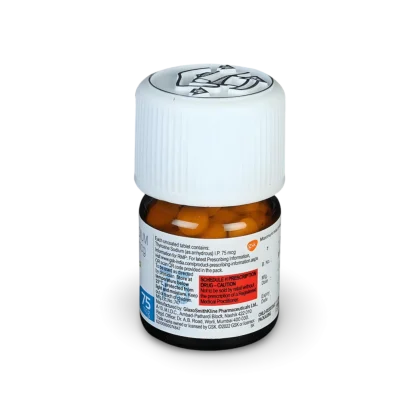
Replaces natural thyroid hormone to restore balance to your metabolism and improve energy levels throughout your body.
Replaces missing thyroid hormone to normalize metabolism and manage symptoms associated with an underactive thyroid gland.
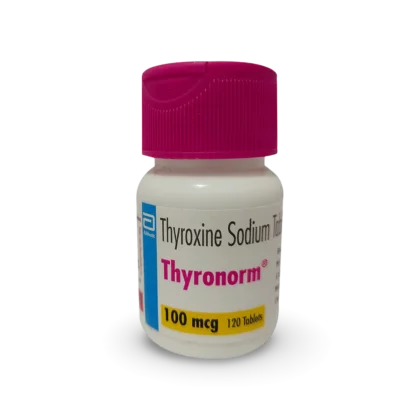
Replaces natural thyroid hormone to support metabolic processes and maintain energy levels throughout the body.
Hypothyroidism occurs when the thyroid gland—a small, butterfly-shaped organ in your neck—fails to produce adequate amounts of essential hormones. These hormones regulate your body’s metabolism, influencing how efficiently you convert nutrients into energy. When production drops, your internal systems essentially shift into a slower gear, which often manifests as chronic exhaustion, unexpected weight gain, and increased sensitivity to cold temperatures.
Many people find that their symptoms develop gradually over several years. You might notice your skin feels dry, your hair begins to thin, or you experience unexplained muscle aches and stiffness. Because these symptoms resemble many other health concerns, blood tests measuring thyroid-stimulating hormone (TSH) and thyroxine (T4) levels are the standard way to confirm the underlying cause.
The primary treatment approach for an underactive thyroid involves life-long hormone replacement therapy. Doctors typically prescribe synthetic thyroid hormones that chemically replicate the thyroxine your body should be producing naturally. By consistently providing this supplement, medications aim to restore your levels to a range that allows your metabolic processes to function normally again.
Treatment requires ongoing adjustments based on follow-up blood tests, as the body’s specific requirement for hormone supplementation can change over time. Across international markets, including various health systems globally, these synthetic hormones are consistently handled as primary therapeutic interventions. Because the condition is chronic, providers focus on finding a stable dose that maintains your hormone levels within a healthy window without causing side effects associated with excessive hormone replacement.
Most medications for this condition fall into the class of synthetic thyroid hormones, specifically levothyroxine sodium. While the active ingredient remains consistent across these formulations, they are categorized by dosage strength to allow for the precise, individualized replacement necessary to maintain your health.
These treatments are typically delivered as oral tablets, designed to be taken consistently each day, usually on an empty stomach to ensure optimal absorption. Because the goal is to mirror your body’s natural baseline, the focus remains on long-term adherence rather than short-term symptom relief. Differences in product selection often center on the availability of specific microgram strengths, which helps you remain on a consistent dose as established by your laboratory results.
Hormone replacement therapy requires a definitive diagnosis confirmed through laboratory testing. Using thyroid medications without a clinical need can disrupt your body’s natural hormone production, potentially resulting in symptoms of an overactive thyroid. Your provider relies on specific blood markers to determine whether your levels are truly low and to calculate the appropriate starting strength.
Because these medications supplement the same hormone your body already produces, they are generally well-tolerated when the dosage is correct. However, if your levels become too high, you might experience heart palpitations, anxiety, or difficulty sleeping. Monitoring your body’s response during the initial phase of treatment is necessary to ensure the hormone levels remain balanced and aligned with your health needs.
Thyroid medications can interact with other treatments, including certain iron supplements, calcium carbonate, and specific gastric medications that alter stomach acidity. These substances may interfere with how effectively your body absorbs the hormone. Product labeling and verified clinical sources remain the correct references for specific contraindications, interactions, and potential reactions.
This page provides an educational overview of an underactive thyroid and the medication categories listed — not medical advice. Individual products differ in active ingredient, formulation, strength, and directions. The page does not authorize self-directed selection, clinical interpretation, or unsupervised use. Readers should review individual product labeling and speak with a healthcare professional when clinical judgment is needed.