
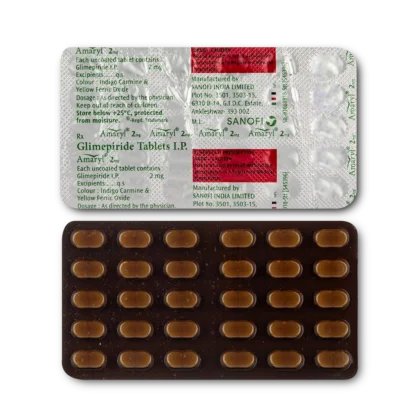
Amaryl 2 Mg
Supports glucose management by stimulating the pancreas to release insulin, helping maintain healthy blood sugar levels.
Living with a metabolic condition like type 2 diabetes often brings daily challenges, requiring you to balance lifestyle adjustments with ongoing medical support to keep your blood glucose steady. Nine formulations are listed below, covering primary drug classes such as sulfonylureas, biguanides, DPP-4 inhibitors, and SGLT2 inhibitors designed to assist with glycemic control.
Supports glucose management by stimulating the pancreas to release insulin, helping maintain healthy blood sugar levels.
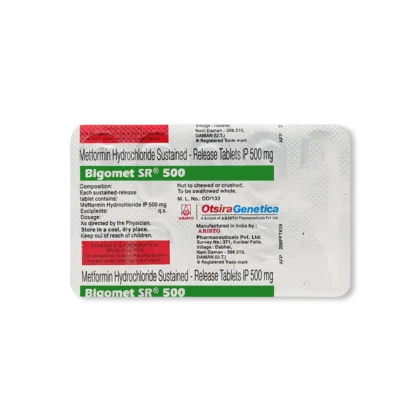
Improves how your body responds to insulin and lowers glucose production in the liver after meals.

Optimizes how the body balances blood sugar levels by improving insulin sensitivity and lowering glucose liver production.
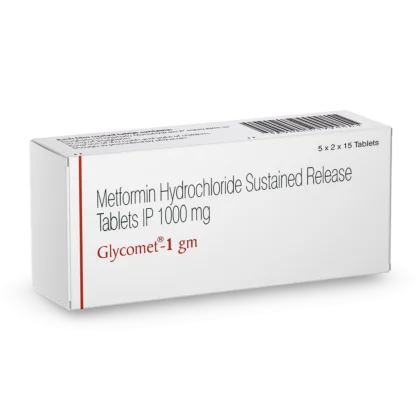
Improves how your body responds to insulin and lowers the amount of sugar produced by the liver.
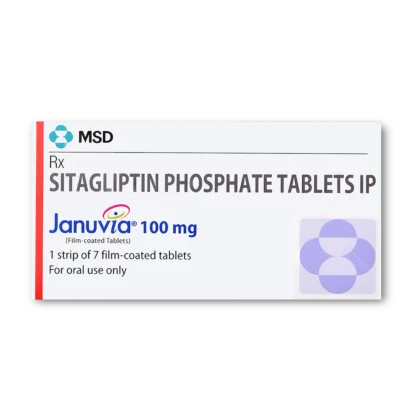
Promotes insulin production and regulates blood sugar levels by blocking enzymes that break down natural incretin hormones.
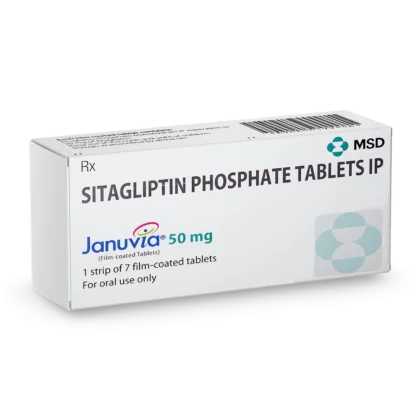
Regulates insulin release and suppresses excessive glucose production to maintain stable blood sugar levels in patients.
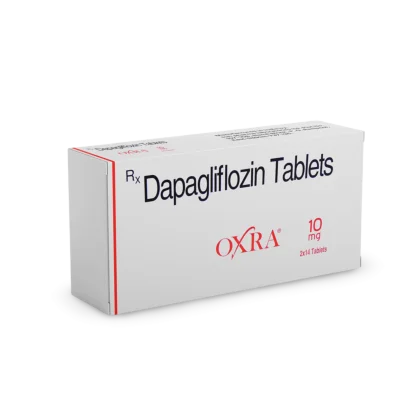
Supports blood glucose levels by helping your kidneys remove excess sugar through your daily urine output.

Supports blood glucose management by triggering the pancreas to produce more natural insulin throughout the day.
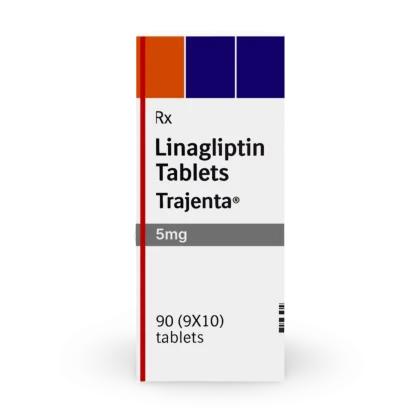
Supports blood glucose levels by increasing natural hormones that stimulate insulin production after you eat.
Type 2 diabetes develops when your body becomes resistant to insulin or fails to produce enough of this hormone to maintain healthy blood sugar levels. Unlike type 1 diabetes, which involves an autoimmune response, this condition is closely linked to cellular changes that prevent glucose from effectively entering your cells for energy.
The symptoms are often subtle in early stages, leading many people to experience persistent thirst, frequent urination, fatigue, and blurred vision as blood sugar fluctuates. Without appropriate management, elevated glucose levels can affect your cardiovascular system, nerves, and kidneys over time. Understanding your personal risk factors and recognizing these early warning signs empowers you to work closely with your healthcare team to establish a stable path forward.
Managing your blood sugar involves several tiers of clinical approaches, starting with dietary changes and physical activity, followed by different classes of oral medications. These medicines work by targeting the specific processes—such as insulin production, glucose absorption, or liver sugar release—that have become disrupted.
In many international markets, including [GEO_MARKETS], your provider will select a treatment plan based on your recent blood test results, specifically targeting your A1C levels. Because treatment requirements evolve, your approach may shift over time from monotherapy to combination regimens. These decisions are always made with careful consideration of your individual health history and kidney function markers.
Medications for this condition are categorized by how they influence your internal systems to stabilize glucose. Each class offers a unique mechanism that may complement your daily habits.
Biguanides are typically considered the first option tried to help reduce the amount of glucose produced by your liver while improving how your cells respond to insulin. Sulfonylureas work by prompting your pancreas to release more insulin. These two classes are foundational tools for many people balancing their glucose levels outside of dietary modifications alone.
DPP-4 inhibitors function by extending the activity of hormones that trigger insulin release after meals, helping to prevent sharp spikes in blood sugar. SGLT2 inhibitors offer a different approach by preventing your kidneys from reabsorbing sugar back into the bloodstream, allowing excess glucose to be removed from your body through urine. These classes provide additional versatility, especially when other medications need to be adjusted or combined.
Your physical health, particularly your history with kidney or liver conditions, must be assessed before beginning any new diabetes medication. Because these treatments directly alter your metabolism and insulin use, your doctor will likely recommend frequent monitoring of your glucose levels and periodic blood tests to observe your therapeutic response.
Common responses to glucose-lowering drugs often involve mild digestive changes or shifts in energy levels as your body adjusts. It is vital to observe how you feel during the first few weeks of a new regimen, as some medications can cause blood sugar to drop too low, a state known as hypoglycemia, which requires immediate attention and awareness of warning symptoms like dizziness or shakiness.
Diabetes medications can interact with other drugs, including those for blood pressure or heart health, which is common in patients managing multiple conditions. Always cross-reference all your current supplements and medicines with your provider to avoid complications. Product labeling and verified clinical sources remain the correct references for specific contraindications, interactions, and potential reactions.
A1C : A blood test that provides an average measurement of your blood sugar levels over the past two to three months.
Hypoglycemia : A condition caused by very low blood sugar, which may include symptoms like dizziness, sweating, and confusion.
Insulin Resistance : A state where your body’s cells do not respond effectively to insulin, making it difficult for glucose to be used for energy.
This page provides an educational overview of Type 2 Diabetes and the medication categories listed — not medical advice. Individual products differ in active ingredient, formulation, strength, and directions. The page does not authorize self-directed selection, clinical interpretation, or unsupervised use. Readers should review individual product labeling and speak with a healthcare professional when clinical judgment is needed.