
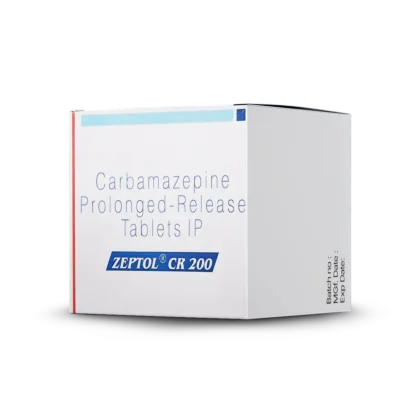
Zeptol CR 200 mg
Stabilizes electrical activity in the brain to reduce seizure frequency and manage nerve-related pain signals.
Living with the intense, unpredictable pain of trigeminal neuralgia can profoundly impact your daily comfort and quality of life. Understanding your options is a key step toward managing this challenging nerve condition. Two formulations are listed below, specifically targeting anticonvulsant medications such as carbamazepine (Zeptol CR), which are typically used to interrupt recurring nerve pain signals.
Stabilizes electrical activity in the brain to reduce seizure frequency and manage nerve-related pain signals.
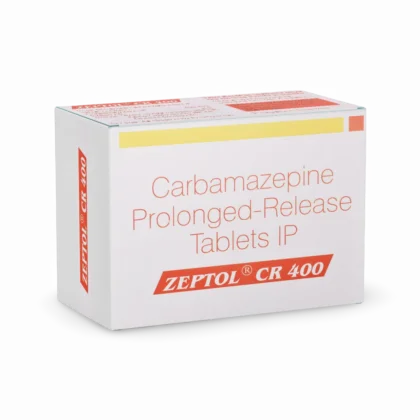
Stabilizes electrical activity in the brain to reduce the frequency of seizures and manage nerve-related pain.
Trigeminal neuralgia is a chronic pain condition that affects the trigeminal nerve, which carries sensation from your face to your brain. Even mild stimulation of your face—such as brushing your teeth or applying makeup—can trigger a jolt of excruciating, lightning-like pain. This condition often stems from a blood vessel pressing on the nerve root, though it can also result from nerve damage or underlying neurological factors.
The pain associated with this condition often occurs in cycles. You may experience intense bouts of discomfort for days, weeks, or months, followed by periods where you feel little to no pain. Over time, these episodes can occur more frequently and become more severe. Because this condition involves the facial nerves, it can cause significant distress and anxiety for those navigating the unpredictable nature of the symptoms.
Treatment for trigeminal neuralgia focuses on reducing the frequency and intensity of painful episodes by calming overactive nerve signals. Anticonvulsant medications are typically the first option tried, as they work to stabilize the electrical activity within the nerves. These medicines are designed to dampen the hypersensitivity that causes sharp facial pain, helping you return to a more stable baseline.
Beyond traditional oral medications, treatment paths across the international markets of the United States, United Kingdom, Australia, Canada, and others may involve physical procedures if oral therapy is insufficient. Because this is a chronic neurological condition, treatment plans are often managed long-term, requiring open communication with a specialist who understands the history of your specific nerve pain patterns.
Medications used for this condition are primarily categorized within the anticonvulsant class. These drugs do not function like ordinary painkillers; instead, they work by slowing down the electrical impulses sent by the trigeminal nerve. By regulating how these nerves fire, the frequency of painful “shocks” may be reduced.
Many formulations for this condition, such as controlled-release (CR) tablets, are engineered to provide a steady absorption of the active ingredient throughout the day. This consistent delivery is often used to prevent fluctuating levels of medication in your system, which may help maintain better control over nerve sensitivity. Always discuss which specific formulation or release profile aligns with your individual care plan.
Engaging with a healthcare provider is necessary before beginning any anticonvulsant regimen for facial pain. Because these medications act on the nervous system, your provider will likely review your medical history and current neurological status. This ensures that the chosen treatment is appropriate for your specific health needs and that you are monitored correctly from the start.
Anticonvulsants can affect individuals differently, often requiring a period of adjustment. You may experience changes in energy levels, dizziness, or mild coordination shifts as your body adapts to the medication. These are common points to monitor, and identifying any changes early allows for better adjustments to your regimen.
These medications often interact with other substances, including certain supplements, alcohol, or other prescriptions, which can alter how well the treatment works or affect your liver and kidney function. It is important to disclose all current substances to your provider to avoid complications. Product labeling and verified clinical sources remain the correct references for specific contraindications, interactions, and potential reactions.
This page provides an educational overview of trigeminal neuralgia and the medication categories listed — not medical advice. Individual products differ in active ingredient, formulation, strength, and directions. The page does not authorize self-directed selection, clinical interpretation, or unsupervised use. Readers should review individual product labeling and speak with a healthcare professional when clinical judgment is needed.