
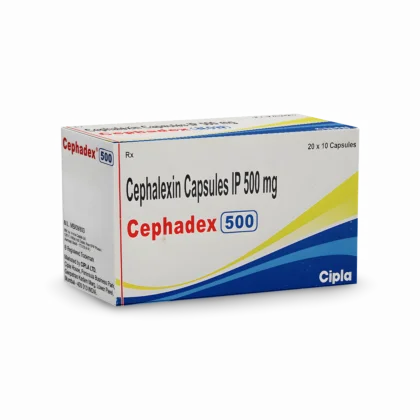
Cephadex 500 mg
Blocks bacterial cell wall formation to stop the growth and spread of sensitive bacterial infections.
Throat infections often cause significant discomfort, making simple actions like swallowing or speaking feel difficult. These infections arise when bacteria or viruses invade the pharyngeal tissues, triggering inflammation. The two formulations listed below represent the cephalosporin-class antibiotic cephalexin (Cephadex 500 mg, Phexin 250 mg), which is often referenced in clinical care for specific bacterial strains.
Blocks bacterial cell wall formation to stop the growth and spread of sensitive bacterial infections.
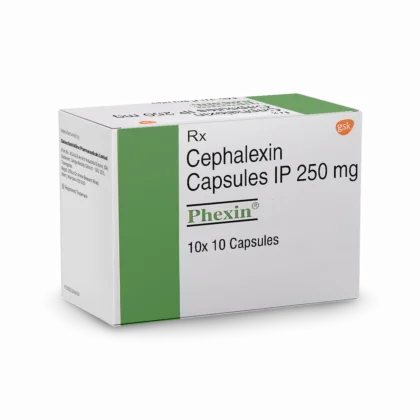
Targets bacterial infection pathways by disrupting cell wall synthesis to stop the growth and spread of bacteria.
A throat infection, or pharyngitis, involves the inflammation of the back of the throat. You may feel a persistent scratchiness, intense soreness, or have difficulty swallowing that disrupts your ability to eat or rest comfortably. While many cases stem from common viral colds, bacterial infections require a different approach to care because of how they interact with your immune system.
Recognizing the difference between viral and bacterial causes is a foundational step in your health journey. Viral throat infections usually improve with supportive care and time. Conversely, bacterial infections may persist, lead to higher fever, or present with distinct physical markers like white patches on the tonsils. Understanding these symptoms assists in identifying when a professional assessment might be necessary.
Treatment for a throat infection focuses on the underlying source of the inflammation. If the infection is bacterial, healthcare providers often select antibiotics designed to neutralize the specific bacteria present in the pharyngeal lining. Cephalosporins are a primary drug class used for these instances, operating by inhibiting the growth of the bacterial cell wall to curb the infection’s spread throughout your body.
Across various global markets, including international hubs, these medications are strictly regulated to ensure they are used only for confirmed bacterial cases. This helps maintain the efficacy of antibiotic treatment and prevents the development of resistance. Antibiotics do not work against viral illnesses, which makes an accurate diagnosis essential before starting any pharmacological regimen. Your local provider serves as the primary resource for determining the cause of your discomfort.
Medications for throat infections primarily fall into the antibiotic category, with cephalosporins being a notable group used in various clinical settings. These agents function by addressing the structural integrity of the bacteria, effectively stopping the infection from replicating in your throat tissues. Because these drugs are potent, they are typically prescribed based on the specific type of bacteria suspected or confirmed via diagnostics.
Differences within this class often relate to the formulation strength and the expected duration of the course. Some products are designed as immediate-release tablets, allowing for consistent absorption. When discussing these options with your provider, the focus should remain on the underlying pathogen and the most effective drug class for that specific condition, rather than simply selecting a product based on name or strength.
Patients across global markets search for throat infection medications through online pharmacy directories and health platforms before speaking with a local provider. Consider these behaviors when researching your options:
This page provides an educational overview of throat infections and the medication categories listed — not medical advice. Individual products differ in active ingredient, formulation, strength, and directions. The page does not authorize self-directed selection, clinical interpretation, or unsupervised use. Readers should review individual product labeling and speak with a healthcare professional when clinical judgment is needed.