
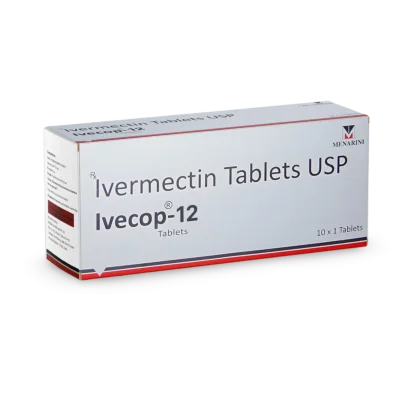
Ivecop 12 mg
Targets parasitic nervous systems to effectively clear internal and external worm infestations throughout the body.
Strongyloidiasis presents unique challenges for those affected, as the infection can persist in the body for long periods without showing obvious signs. Understanding this condition is the first step toward reclaiming your health and peace of mind. Five formulations are listed below, all belonging to the anthelmintic class of medications containing ivermectin.
Targets parasitic nervous systems to effectively clear internal and external worm infestations throughout the body.
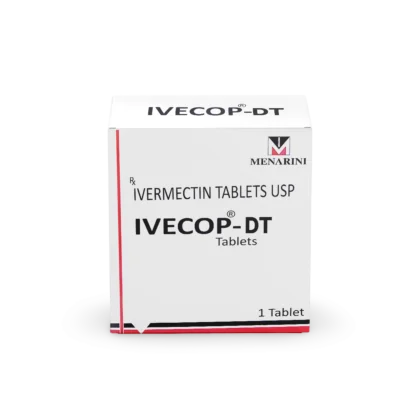
Targets specific parasitic infections by binding to nerve and muscle cells of the parasite to clear symptoms.
Targets specific parasitic infections by disrupting the nerve and muscle function of the infecting organism.
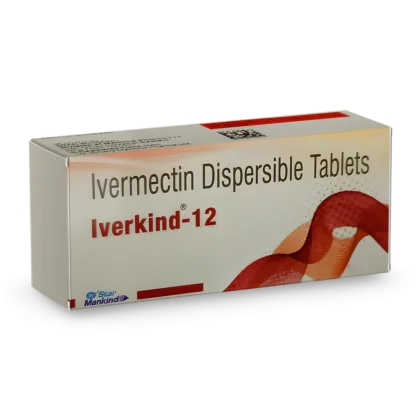
Targets parasitic nerve and muscle systems to disrupt growth and resolve infestations in various tissue environments.
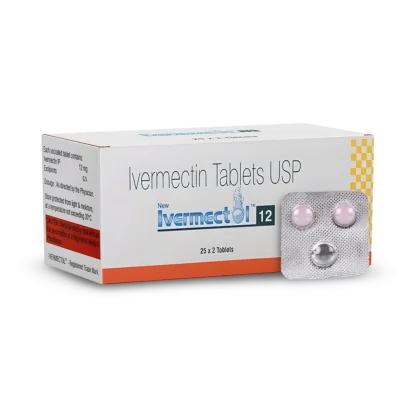
Targets parasitic organisms by disrupting their nervous system function, allowing your body to clear the infestation.
Strongyloidiasis begins when microscopic threadworms, known as Strongyloides stercoralis, penetrate the skin. These parasites travel through the bloodstream to the lungs, migrate up the windpipe, and are swallowed, eventually settling in the lining of the small intestine. Because the life cycle of these worms involves constant reinfection, the condition can remain active in the body for decades if left unaddressed.
Many people living with this parasite experience no symptoms at all, or only very mild discomfort, which can delay diagnosis. When symptoms do occur, they often manifest as skin rashes, abdominal pain, diarrhea, or respiratory irritation. Recognizing these patterns within your own body is a significant move toward identifying the issue and speaking with a medical professional about diagnostic testing.
Treating strongyloidiasis involves the use of anthelmintic agents. These medicines work by targeting the parasites directly, interrupting their ability to survive and reproduce within the intestinal tract. Because the worms can migrate through various body systems, the goal of treatment is to clear the infection from all affected areas while preventing persistent reinfection cycles.
In terms of access, treatments for these parasitic infections are typically available through healthcare providers and licensed pharmacy channels. Regulatory requirements for accessing these medications may differ across the international markets of the United States, United Kingdom, Australia, and Canada, as well as other global regions. Always prioritize obtaining guidance from a qualified provider who can evaluate your specific health context and symptoms.
The core approach to addressing this infection focuses on the use of ivermectin, which is recognized as a standard anthelmintic medication for this condition. These treatments act by disrupting the nervous and muscular systems of the parasites, making it impossible for the worms to maintain their hold on the intestinal wall.
You may encounter these medications in different forms, such as standard tablets or dispersible tablets that dissolve before ingestion. The variation in these forms is designed to accommodate different patient needs regarding administration. When discussing these options with a provider, focus on the active ingredient and the strength prescribed for your specific diagnostic needs rather than the brand name or physical form.
Patients across the United States, United Kingdom, Australia, Canada, and similar regulated markets search for Strongyloidiasis medications through online pharmacy directories and health platforms before speaking with a local provider. Consider these research behaviors:
Your provider will typically assess your medical history, including any known sensitivities or existing health conditions that might interfere with how your body processes anthelmintic drugs. Providing a full account of your health status is vital for ensuring any chosen treatment remains compatible with your particular circumstances.
While these medications are formulated to address parasites, some people may encounter reactions such as nausea, dizziness, or mild skin irritation as the medication takes effect. Observing how your body responds during the initial phase of treatment allows for a more informed conversation with your medical provider regarding your progress and comfort.
Other medications or supplements you are currently taking could potentially interact with treatments for Strongyloidiasis. Maintaining an open dialogue with your healthcare team about all ongoing therapies assists in avoiding complications. Product labeling and verified clinical sources remain the correct references for specific contraindications, interactions, and potential reactions.
This page provides an educational overview of Strongyloidiasis and the medication categories listed — not medical advice. Individual products differ in active ingredient, formulation, strength, and directions. The page does not authorize self-directed selection, clinical interpretation, or unsupervised use. Readers should review individual product labeling and speak with a healthcare professional when clinical judgment is needed to ensure safe and effective management of this parasitic infection.