
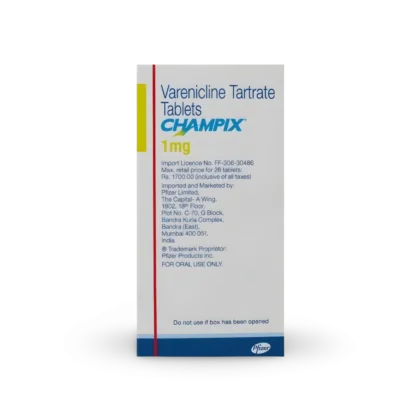
Champix 1 Mg Tablet
Reduces cravings and withdrawal symptoms by blocking nicotine receptors to make quitting smoking more manageable.
Breaking the cycle of nicotine dependency represents a significant personal change that impacts both physical health and daily routines. Quitting often requires a multifaceted strategy to address both the chemical reliance on nicotine and the ingrained habits associated with tobacco use. One formulation is listed below, utilizing the partial nicotine agonist, varenicline (Champix).
Reduces cravings and withdrawal symptoms by blocking nicotine receptors to make quitting smoking more manageable.
Stopping smoking is the process of ending the consumption of tobacco products, which are typically used for their nicotine content. Nicotine functions as a stimulant that triggers the release of dopamine in the brain, fostering a cycle of reinforcement that makes cessation difficult. Once this cycle is established, the body and brain adjust to the regular presence of the substance.
When an individual attempts to stop, the brain experiences a period of readjustment as it adapts to the absence of nicotine. This phase often brings physical and psychological symptoms, including irritability, intense cravings, and concentration difficulties. Understanding these biological factors can change how you view the challenges of quitting, shifting the focus from individual willpower to the management of complex physiological patterns.
Treatment for nicotine dependence focuses on reducing the intensity of cravings and limiting the withdrawal symptoms that occur when tobacco use stops. Most therapeutic approaches rely on pharmacological support to assist the brain’s transition process. Common strategies include nicotine replacement therapies (NRT), which provide controlled doses of nicotine, and non-nicotine medications that interact directly with brain receptors to curb the desire for tobacco.
Access to these treatments varies across international healthcare systems and regions. In markets like the United Kingdom, Australia, and Canada, specific prescription medications are often integrated into clinical cessation programs. Meanwhile, many countries across the European Union and Asia emphasize a combination of structured guidance and access to standardized pharmaceutical support to increase the likelihood of achieving long-term goals.
Medications designed to facilitate cessation generally fall into two categories: nicotine replacement and partial agonist therapies. Nicotine replacement methods, such as patches, gums, or lozenges, supply small, measured amounts of nicotine without the tar and carbon monoxide found in cigarette smoke. These options allow for a gradual reduction in nicotine exposure over several weeks.
Partial agonist therapies, such as those containing varenicline, function differently by binding to the same receptors in the brain that nicotine activates. By partially stimulating these receptors, the medication reduces the severity of withdrawal symptoms while simultaneously working to block nicotine from binding, making tobacco use less satisfying. Selecting an appropriate approach depends on your specific smoking history, previous attempts to quit, and other health factors.
Quitting is a significant health decision, and starting a new medication requires an understanding of your existing health profile. Factors such as your cardiovascular history and overall medical status are important to consider before introducing a support medication. Discussing your choice with a professional ensures that the selected treatment aligns with your specific needs.
The body may react differently to various cessation aids, particularly during the first few weeks of treatment. Common experiences often include mild digestive changes or shifts in sleep patterns as the brain and body adjust to the new regimen. Monitoring how you feel and maintaining open communication with your healthcare team helps in identifying the most tolerable approach for your situation.
Medications for stopping smoking may interact with other substances or existing health conditions. It is essential to disclose all other medicines, supplements, or dietary habits to a provider to avoid unwanted complications. Certain psychiatric conditions or concurrent use of specific medications might influence the selection of a treatment. Product labeling and verified clinical sources remain the correct references for specific contraindications, interactions, and potential reactions.
This page provides an educational overview of stopping smoking and the medication categories listed — not medical advice. Individual products differ in active ingredient, formulation, strength, and directions. The page does not authorize self-directed selection, clinical interpretation, or unsupervised use. Readers should review individual product labeling and speak with a healthcare professional when clinical judgment is needed.