
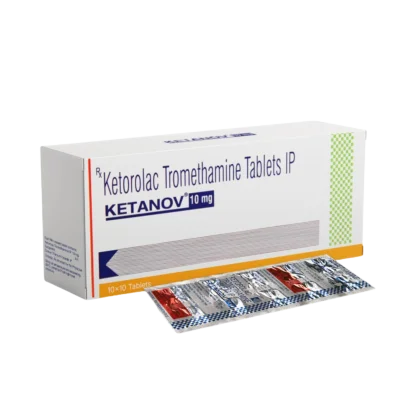
Ketanov 10 Mg Tablet
Blocks specific enzymes that produce pain-signaling compounds to provide relief for acute, short-term discomfort.
Experiencing acute physical distress can be an overwhelming challenge that shifts your daily focus entirely toward recovery. Short-term moderate pain often stems from recent surgical procedures, dental work, or significant mechanical injuries. The one formulation listed below belongs to the non-steroidal anti-inflammatory drug (NSAID) class, which acts to reduce the chemicals in the body that cause inflammation and physical sensation.
Blocks specific enzymes that produce pain-signaling compounds to provide relief for acute, short-term discomfort.
Acute physical distress serves as the body’s warning signal following tissue damage, irritation, or trauma. Unlike persistent, long-term discomfort, this sensation usually arrives suddenly and follows a predictable healing trajectory as the underlying injury recovers. It often feels sharp, throbbing, or intense enough to interfere with your ability to sleep, move, or attend to your normal responsibilities.
This type of condition frequently arises from surgical interventions, orthopedic injuries, or severe dental inflammation. While everyone experiences intensity differently, the classification of “moderate” suggests a level where you find it difficult to ignore the sensation, yet it remains distinct from the extreme, unmanageable pain that indicates deep-seated medical emergencies. Recognizing the nature of your discomfort is the first step in communicating effectively with a healthcare provider.
The treatment landscape for acute physical distress focuses on interrupting the inflammatory response triggered by your body after an injury. Medications in the NSAID class—such as the one listed here containing ketorolac—work by inhibiting enzymes responsible for creating prostaglandins, which are compounds that promote inflammation and signal pain to the brain.
Across various international markets, including sites throughout Europe, the Americas, and Asia, providers often categorize these medicines as potent alternatives for short-term use. Because their mechanism of action is focused on powerful anti-inflammatory effects, they are typically limited to a few days of use. This approach helps reduce the risk of irritation to the digestive tract and other systemic effects that may occur with prolonged administration.
Medications that address acute discomfort are generally classified by how they interact with your body’s inflammatory pathways. Most options for moderate-level distress are categorized as oral non-steroidal anti-inflammatory drugs. These formulations are designed for systemic absorption, meaning they circulate through your body to tackle the source of your discomfort at the site of the injury.
Oral tablets provide a predictable way to manage short-term needs, as they are formulated for controlled absorption within the digestive system. When considering these options, you are usually looking at the balance between the strength of the anti-inflammatory effect and the duration of intake. Because these medications are intended for “short-term” use, their design prioritizes rapid onset to help you regain comfort during the initial phase of healing.
Acute discomfort medications require a clear understanding of your medical history, particularly regarding your gastrointestinal health and blood clotting function. Informing a provider about any history of ulcers, bleeding, or blood pressure concerns is necessary because of how these medications affect the body’s protective linings and natural repair processes.
Because these treatments act on inflammation throughout the system, some people notice temporary changes in their digestive comfort or blood pressure. These effects are often tied to the intensity of the medication’s action, which is why clinical guidelines emphasize the shortest possible duration of use. Monitoring how you feel during the first few doses helps in determining if the current approach is appropriate.
Many medicines for acute distress interact with other treatments you might already be taking for systemic conditions. Your kidney function, in particular, plays a significant role in how your body clears these medications, so existing issues with kidney or liver health require professional assessment. Product labeling and verified clinical sources remain the correct references for specific contraindications, interactions, and potential reactions.
This page provides an educational overview of short-term moderate pain and the medication categories listed — not medical advice. Individual products differ in active ingredient, formulation, strength, and directions. The page does not authorize self-directed selection, clinical interpretation, or unsupervised use. Readers should review individual product labeling and speak with a healthcare professional when clinical judgment is needed.