
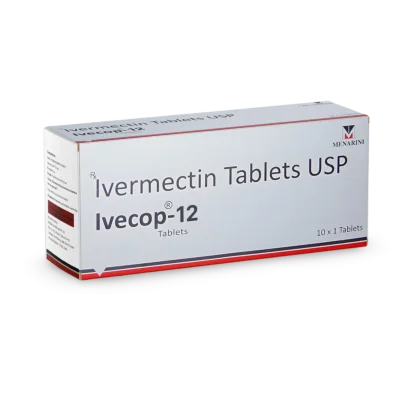
Ivecop 12 mg
Targets parasitic nervous systems to effectively clear internal and external worm infestations throughout the body.
Scabies causes significant physical and emotional discomfort, stemming from a persistent, intense itch and visible skin irritation. The six formulations listed below address these infestations through oral and topical antiparasitic agents, specifically ivermectin tablets and permethrin cream, which eliminate the mites and their eggs to stop the cycle of infection.
Targets parasitic nervous systems to effectively clear internal and external worm infestations throughout the body.
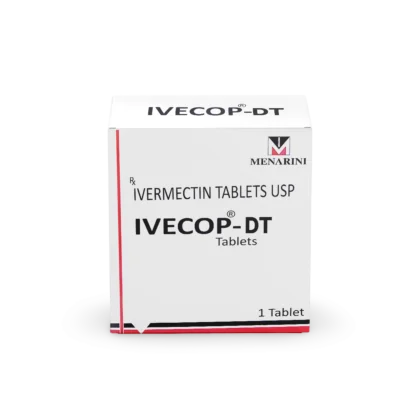
Targets specific parasitic infections by binding to nerve and muscle cells of the parasite to clear symptoms.
Targets specific parasitic infections by disrupting the nerve and muscle function of the infecting organism.
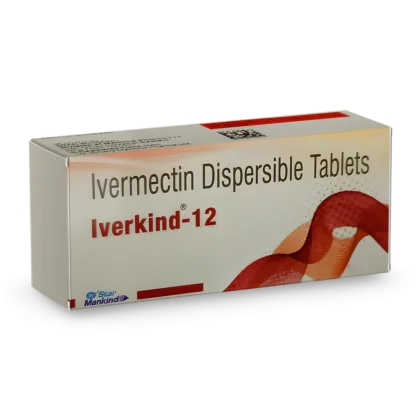
Targets parasitic nerve and muscle systems to disrupt growth and resolve infestations in various tissue environments.
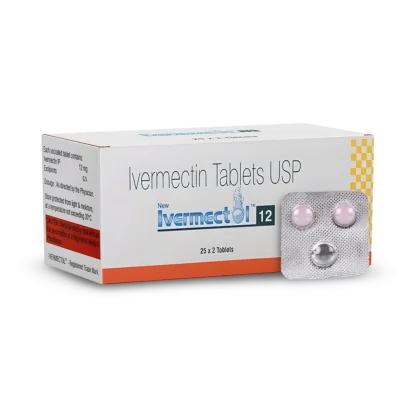
Targets parasitic organisms by disrupting their nervous system function, allowing your body to clear the infestation.
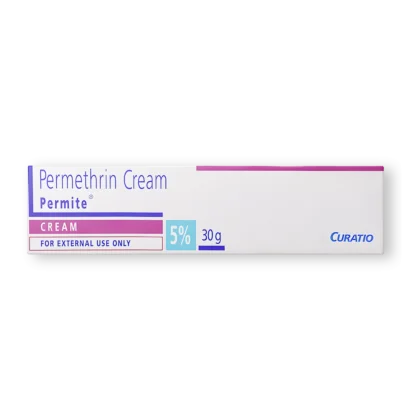
Eliminates parasites like scabies mites and lice by disrupting their nervous systems to stop infestations.
Scabies develops when Sarcoptes scabiei mites burrow into the outer layer of your skin to live and lay eggs. This process triggers an allergic response from your immune system, leading to characteristic rashes, small bumps, and a relentless urge to scratch that often intensifies during the night.
The condition spreads rapidly through close personal contact, meaning household members and sexual partners frequently require simultaneous assessment. While the itching stems from the body’s reaction to the mites, the irritation can persist for several weeks even after the infestation is treated. Recognizing the symptoms early is key to managing the spread and finding relief from the distress caused by the infestation.
Treatment relies on scabicides, which are medications designed to neutralize mites. These therapies work either by killing the mites through direct contact or by disrupting their ability to survive systemically. Clinicians typically choose between topical creams applied to the entire body or oral tablets, depending on the severity of the infestation and your specific health history.
Across global markets, including international centers like the United Kingdom, Australia, and Canada, permethrin cream is a standard topical intervention. Oral options, such as ivermectin, are often reserved for cases where topical treatments are impractical or for managing community-wide outbreaks. Because the mites can live on bedding and clothing, treatment always pairs with hygiene measures like washing linens in hot water.
Selecting the appropriate treatment involves distinguishing between the two primary delivery forms: topical creams and oral tablets. Each serves the same goal of eliminating the parasite but requires different application steps to ensure effectiveness across the skin surface.
Topical options, such as permethrin 5% cream, act directly on the skin. You apply the cream from the neck down to the soles of the feet, covering all crevices where mites hide. It remains on the skin for a set number of hours before you wash it off, ensuring direct contact with the areas of infestation.
Oral medications like ivermectin function systemically after you ingest them. These tablets are often the preferred approach when skin irritation makes topical application difficult or when treating multiple people at once. Because these medications target the mites internally, they provide a distinct alternative for patients who may not tolerate external creams.
You must ensure that your planned treatment aligns with your current skin sensitivity and health status. Topical creams may cause temporary stinging or increased redness in areas where the skin is already broken from excessive scratching.
Most treatments are well-tolerated, but some individuals may notice a transient increase in itching after starting therapy. This is usually due to the dying mites rather than a direct negative reaction to the medicine itself. If symptoms like swelling or hives develop, these may indicate a sensitivity, and you should halt use.
Oral ivermectin and topical permethrin interact differently with your body’s health profile, particularly if you have underlying liver or renal conditions. Certain other medications may also create potential interactions, making a thorough review of your medical history by a professional essential. Product labeling and verified clinical sources remain the correct references for specific contraindications, interactions, and potential reactions.
This page provides an educational overview of scabies and the medication categories listed—not medical advice. Individual products differ in active ingredient, formulation, strength, and directions. The page does not authorize self-directed selection, clinical interpretation, or unsupervised use. Readers should review individual product labeling and speak with a healthcare professional when clinical judgment is needed.