
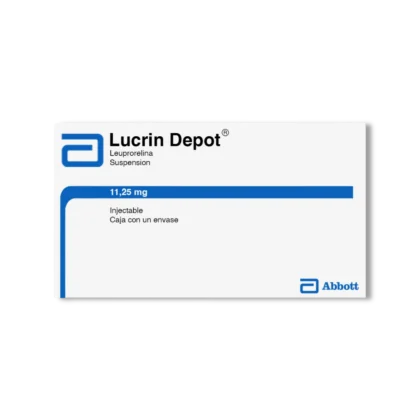
Lucrin Depot 11.25 Mg Injection
Suppresses sex hormone production to slow the growth of hormone-sensitive cells in the body.
Receiving a diagnosis of prostate cancer can feel overwhelming, as you navigate complex decisions regarding your personal health and futurewell-being. One formulation is listed below: Lucrin Depot 11.25 Mg Injection, which belongs to the class of gonadotropin-releasing hormone (GnRH) agonists used to manage hormone-sensitive disease by regulating testosterone production.
Suppresses sex hormone production to slow the growth of hormone-sensitive cells in the body.
Prostate cancer develops when cells in the prostate gland—a small, walnut-shaped organ in the male reproductive system—begin to grow uncontrollably. This condition is often hormone-sensitive, meaning that the male hormone testosterone plays a primary role in stimulating the development and spread of these malignant cells. Unlike some other health conditions, the progression of the disease can vary significantly between individuals.
Many people notice few symptoms during the early stages, while others may experience changes in urinary habits or discomfort in the pelvic area as the gland enlarges. Understanding your specific diagnosis is a vital step in your journey. Once identified, clinicians often monitor the condition closely, tailoring approaches based on how aggressive the cancer cells appear and whether they have moved beyond the original site.
Treatment for prostate cancer focuses on controlling the growth of malignant cells, often by altering the hormonal environment within your body. Because many prostate cancer cells rely on testosterone for growth, androgen deprivation therapy (ADT) is a cornerstone of management. These treatments aim to reduce testosterone levels, effectively starving hormone-sensitive cells of the fuel they need to thrive.
In addition to hormone therapy, clinical approaches frequently involve surgical options, various forms of radiation, or chemotherapy, depending on the stage and clinical presentation. Across international markets, including sites like those in the United Kingdom, Australia, and Canada, these medications are strictly controlled and require expert oversight. Healthcare providers choose between these diverse options by weighing your overall health status against the potential for slowing disease progression.
Medications used for prostate cancer typically fall into categories designed to interrupt hormonal signaling. Gonadotropin-releasing hormone (GnRH) agonists, such as the formulation containing leuprorelin acetate, work by initially stimulating and then significantly downregulating the body’s production of testosterone. By creating a temporary surge followed by a profound drop in hormone levels, these medications help manage disease activity over an extended duration.
These formulations are often administered as depot injections. This delivery method allows the medication to be released slowly into your system over several months, which maintains consistent hormone suppression without the need for daily doses. Choosing a delivery format—whether injectable, oral, or other—is usually a decision made in close partnership with an oncology team to ensure the treatment schedule aligns with your quality of life.
Starting hormone-based therapy represents a significant shift in your physiological baseline. Because these treatments directly influence hormone levels, they are intended for use only under the strict supervision of an oncologist or urologist. It is important to discuss your cardiovascular history and bone density during initial consultations, as long-term hormone suppression may impact these areas of health.
Everyone responds to systemic cancer therapies differently. Common physiological changes, such as physical fatigue, mood fluctuations, or hot flashes, are frequent points of conversation between patients and their healthcare teams. Monitoring how you feel during the first few weeks of therapy allows your provider to manage any side effects and ensure the treatment remains suitable for your specific context.
Because these medications alter fundamental hormonal pathways, they can interact with other treatments you may be taking for unrelated health issues. Always provide a full list of existing supplements and medications to your clinical team. Product labeling and verified clinical sources remain the correct references for specific contraindications, interactions, and potential reactions.
This page provides an educational overview of prostate cancer and the medication categories listed — not medical advice. Individual products differ in active ingredient, formulation, strength, and directions. The page does not authorize self-directed selection, clinical interpretation, or unsupervised use. Readers should review individual product labeling and speak with a healthcare professional when clinical judgment is needed.