
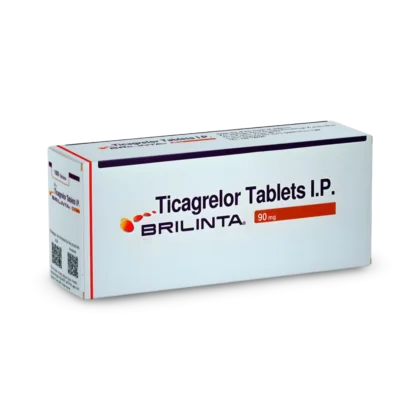
Brilinta 90 Mg Tablet
Reduces the formation of blood clots by preventing platelets from clumping together in your vascular system.
Living with an increased heart risk after an acute coronary event creates lingering uncertainty and a desire for proactive health maintenance. Managing this period requires careful adherence to long-term therapies aimed at preventing secondary cardiac occurrences. One formulation is listed below, representing antiplatelet medications used to reduce the likelihood of further cardiovascular events or strokes.
Reduces the formation of blood clots by preventing platelets from clumping together in your vascular system.
Cardiovascular risk describes the likelihood of experiencing a life-altering event like a heart attack or a stroke. When someone has already experienced an acute coronary syndrome—a term covering a range of conditions resulting from restricted blood flow to the heart—their vascular system remains in a heightened state of vulnerability. This state often stems from existing coronary artery disease where plaques have built up within the arterial walls.
If these plaques rupture, the body triggers a coagulation process to rapidly seal the injury. While this is a vital function for healing external wounds, inside an artery, it can lead to the formation of blood clots that obstruct blood flow to the heart or brain. Understanding your risk level involves recognizing how sustained inflammation and chronic arterial stress impact your long-term heart health.
Medical management for cardiovascular risk focuses on thinning the blood or preventing platelets from adhering to one another. Antiplatelets are the primary class of medications used to address this by inhibiting the natural tendency of blood cells to cluster. By reducing this clotting activity, these medications lower the chance of new or worsening blockages in the arteries.
Healthcare providers across global markets prescribe these treatments specifically for patients who have survived a recent heart attack or stroke. Treatment often requires consistent, long-term use rather than short-term management. Because different geographical regions handle drug availability and regulatory standards differently, patients in international markets should always verify product specifications through local clinical guidelines and their own healthcare team.
Medications designed for secondary prevention primarily fall into the antiplatelet class. These drugs work by interfering with specific receptors on the surface of platelets, effectively hindering their ability to aggregate and form potentially dangerous thrombi. This process does not remove existing plaque, but it significantly reduces the immediate threat posed by blood clot formation.
The delivery and activation profiles of these medications can vary. Some formulations are designed for rapid onset, while others provide steady-state inhibition essential for ongoing protection following a major cardiac incident. Choosing the correct strategy depends on your specific clinical history, the nature of your previous cardiac events, and your individual medication tolerance profile.
Prior to beginning any antiplatelet therapy, an assessment of your total bleeding profile is necessary. Your medical history, including recent surgeries, internal ulcers, or clotting disorders, must be reviewed to ensure a treatment plan matches your needs.
The most common concerns with these medications involve an increased tendency for bruising or prolonged bleeding time. Small, everyday injuries may take longer to heal, and persistent or unusual bleeding should always be evaluated by a medical professional to ensure the treatment is not causing excessive systemic inhibition.
Many routine medications and dietary supplements can interact with antiplatelet therapy. Drugs like NSAIDs, certain anticoagulants, and even specific herbal supplements may heighten the risk of complications. Always disclose your full medication list to your provider to avoid conflicts that could undermine the effectiveness of your heart protection regimen. Product labeling and verified clinical sources remain the correct references for specific contraindications, interactions, and potential reactions.
This page provides an educational overview of cardiovascular risk and the medication categories listed — not medical advice. Individual products differ in active ingredient, formulation, strength, and directions. The page does not authorize self-directed selection, clinical interpretation, or unsupervised use. Readers should review individual product labeling and speak with a healthcare professional when clinical judgment is needed.