
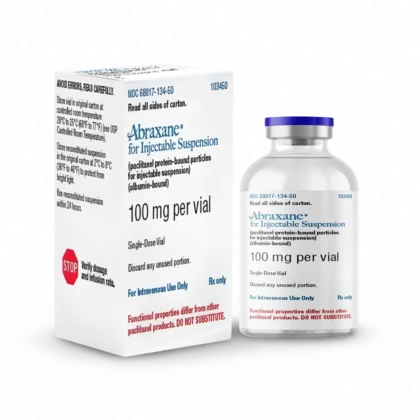
Abraxane 100 Mg Injection
Disrupts cancer cell division by stabilizing the internal scaffolding of cells to stop tumor growth.
Receiving a diagnosis of pancreatic cancer can be profoundly overwhelming, as it impacts both your physical health and your emotional well-being. Navigating the available treatment landscape requires patience and the guidance of your oncology team. Two formulations are listed below, encompassing chemotherapy injections and targeted therapy tablets, each designed to address specific aspects of tumor management.
Disrupts cancer cell division by stabilizing the internal scaffolding of cells to stop tumor growth.
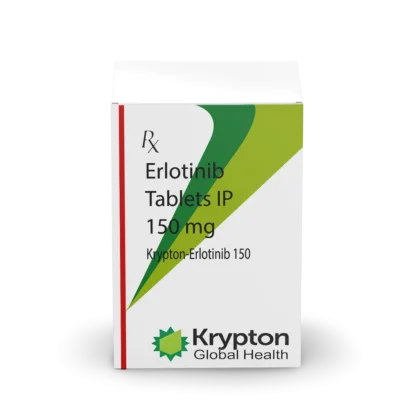
Blocks specific cellular signals that drive uncontrolled cell division in certain types of lung and pancreatic tumors.
Pancreatic cancer arises when cells within the pancreas—an organ essential for digestion and blood sugar regulation—begin to grow uncontrollably. These malignant cells often form a tumor that interferes with the organ’s ability to function properly. Because the pancreas is located deep within the abdomen, the condition is frequently identified only after it has begun to affect surrounding systems.
Many individuals experience symptoms such as unexplained weight loss, abdominal discomfort radiating to the back, or jaundice—a yellowing of the skin and eyes. Understanding the specific nature of your diagnosis, including its stage and cell type, is a significant part of your path forward. This information helps your healthcare providers determine which medical pathways or supportive strategies may offer the most benefit for your unique situation.
Treatment for pancreatic cancer often involves a combination of strategies tailored to the stage of the disease and your overall health. Oncology specialists use various agents to slow disease progression or manage symptoms, recognizing that every individual’s journey is different. Protocols often combine systemic therapies, which circulate throughout the body, to address both primary sites and potential spread.
In global markets, these treatments are administered under strict oncology supervision. Clinicians across international medical communities evaluate factors like tumor biology and performance status to select appropriate regimens. Decisions regarding which category of medication to introduce are made by multidisciplinary teams who focus on balancing clinical goals with your quality of life.
The medications used in the management of pancreatic cancer fall into distinct categories, each acting on the disease through different biological pathways. Understanding these broad approaches can help you better communicate with your medical team about the goals of your current care plan.
Chemotherapy relies on agents that target rapidly dividing cells throughout the body. These medications interrupt the cellular division process, which can help inhibit the growth of tumor tissues. Because these treatments act systemically, they address both the primary tumor and areas where cancer cells may have migrated. Clinical teams monitor blood counts and organ function throughout these cycles to ensure the regimen remains as manageable as possible for you.
Targeted therapy represents a specialized approach that focuses on specific molecules or proteins involved in tumor growth. Unlike broad-spectrum chemotherapy, these agents are designed to interfere with exact cellular signals that drive cancer progression. These treatments are often prescribed based on specific genetic markers found within the tumor, making care highly personalized. They provide an alternative mechanism for managing the disease, often used alongside other supportive care measures.
Initiating therapy is a significant decision that requires a thorough review of your medical history, including heart health, liver function, and existing chronic conditions. Your oncology team will conduct comprehensive baseline testing to ensure that any chosen therapy aligns with your current physiological state. Be prepared to discuss all medications, supplements, and herbal products you currently use, as these can impact the way your body processes treatment.
Every individual responds to intensive cancer therapies in their own way. Systemic treatments may cause changes in energy levels, digestive comfort, or blood cell counts that your clinical team will need to monitor closely. Establishing open channels of communication with your nurses and doctors regarding any new symptoms—no matter how minor—is essential for adjusting your care plan and maintaining your comfort throughout the process.
Many oncology medications have specific interactions with other drugs, including over-the-counter vitamins and common prescriptions. Because your liver and kidneys are responsible for processing these complex therapies, maintaining health in these areas is a core focus of your clinical monitoring. Product labeling and verified clinical sources remain the correct references for specific contraindications, interactions, and potential reactions.
This page provides an educational overview of pancreatic cancer and the medication categories listed—not medical advice. Individual products differ in active ingredient, formulation, strength, and directions. The page does not authorize self-directed selection, clinical interpretation, or unsupervised use. Readers should review individual product labeling and speak with a healthcare professional when clinical judgment is needed.