
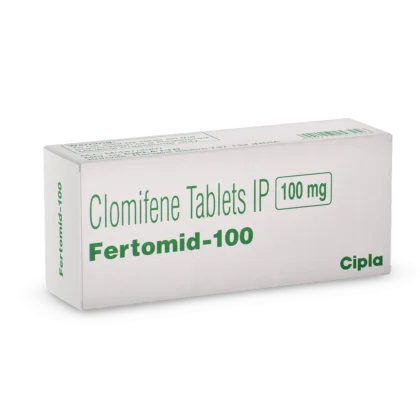
Fertomid 100 Mg Tablet
Supports ovulation by signaling the pituitary gland to increase hormones necessary for egg development and release.
Navigating the path to parenthood can feel overwhelming, especially when your body needs a bit of extra support to ovulate regularly. Ovulation induction medications are designed to help stimulate the ovaries to release an egg, increasing the potential for conception. Three formulations are listed below, focusing on selective estrogen receptor modulators like clomiphene citrate (Fertomid, Rejun, and Siphene).
Supports ovulation by signaling the pituitary gland to increase hormones necessary for egg development and release.

Stimulates the release of hormones necessary for egg development and release to support ovulation cycles.
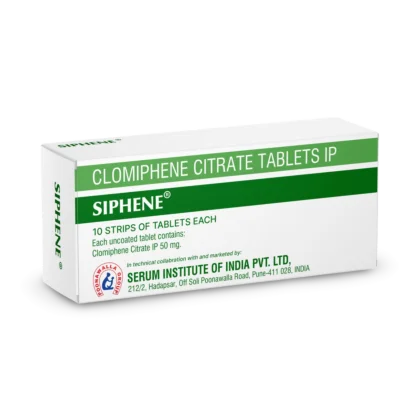
Stimulates the release of hormones by the pituitary gland to encourage regular ovulation in women.
Many people experience cycles where the ovaries do not consistently release an egg, a condition often linked to hormonal imbalances such as polycystic ovary syndrome (PCOS). This irregularity can make timing conception difficult and often leads to an understandable sense of frustration or uncertainty. Understanding your cycle is the first step toward finding clarity.
When the body struggles to initiate this natural process, fertility specialists may suggest methods to encourage the ovaries to function more predictably. By adjusting how the brain and ovaries communicate hormonal signals, these treatments aim to restore the timing required for a viable pregnancy. Focusing on your health can provide a sense of agency as you move forward.
Treatment for this condition primarily involves oral medications that work by tricking the body into producing more follicle-stimulating hormone. By blocking estrogen receptors in the brain, these medicines signal the pituitary gland to increase the hormones necessary for follicular development and subsequent egg release. This process requires careful observation to ensure that the ovaries respond appropriately.
Across global markets, these fertility treatments are typically strictly regulated and provided under the supervision of a reproductive endocrinologist or gynecologist. Because each individual’s hormonal baseline is unique, medical teams tailor the timing and duration of use to ensure that the process aligns with your specific reproductive cycle. Support from a clinical team is essential for monitored use.
Medications categorized under ovulation induction, such as those containing clomiphene citrate, act as hormonal catalysts to promote follicle growth. These treatments are generally administered as a short course of tablets taken early in the menstrual cycle. They represent a primary approach for those whose cycles are infrequent or absent due to hormonal signaling issues.
Other forms of treatment may involve injectable hormones that work more directly on the ovaries. While oral treatments are often the initial step, injectable formulations provide a stronger stimulus when oral options do not achieve the desired outcome. Understanding these differences helps you form informed questions for your fertility specialist regarding which path aligns with your medical history.
Fertility treatments require a thorough understanding of your medical history, particularly concerning hormone-sensitive health conditions. Discussions with a specialist focus on ensuring that your ovaries are prepared for stimulation and that no existing complications might interfere with the process. A clear physical assessment is the baseline for all fertility-related care.
Common experiences with these medications often involve temporary hormonal fluctuations, which can manifest as mood shifts, warmth, or abdominal sensitivity. Because these treatments directly influence reproductive anatomy, a small percentage of individuals may experience enlarged ovarian follicles that require clinical monitoring. Open communication with your medical team ensures these reactions are managed promptly.
Other medications, including common supplements or herbal treatments, may occasionally interact with fertility induction protocols. It is vital to share a complete list of any current treatments with your provider to minimize the risk of conflicting signals to your endocrine system. Product labeling and verified clinical sources remain the correct references for specific contraindications, interactions, and potential reactions.
This page provides an educational overview of ovulation induction and the medication categories listed — not medical advice. Individual products differ in active ingredient, formulation, strength, and directions. The page does not authorize self-directed selection, clinical interpretation, or unsupervised use. Readers should review individual product labeling and speak with a healthcare professional when clinical judgment is needed.