
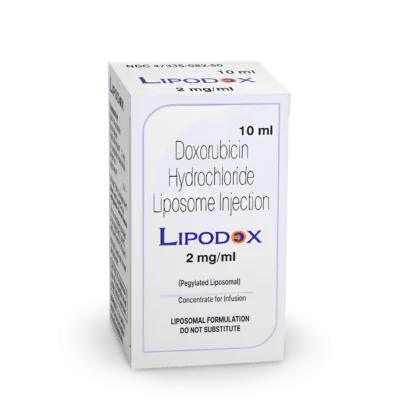
Lipodox 10 Mg Injection
Delivers potent anti-neoplastic compounds within protected lipid spheres to target malignant cells while minimizing systemic impact.
Receiving a diagnosis of ovarian cancer is a deeply significant experience that alters your daily life and priorities. Managing this condition usually involves specialized systemic treatments, such as chemotherapy, designed to target rapidly dividing cells. One formulation is listed below—Lipodox 10 Mg Injection, an anthracycline-class medication used in oncology care.
Delivers potent anti-neoplastic compounds within protected lipid spheres to target malignant cells while minimizing systemic impact.
Ovarian cancer develops when cells within the ovaries begin to grow uncontrollably, often forming tumors that can spread to other areas of the pelvis or abdomen. Because specific symptoms may be subtle or vary widely, diagnosis often occurs after the disease has moved beyond the original site. This condition represents a complex challenge that requires careful attention to your physical and emotional well-being.
The process of managing this diagnosis is rarely straightforward, as it involves coordinating various aspects of your health. You may find yourself navigating multiple appointments, tests, and treatment discussions with a team of specialists. Understanding your body and monitoring new or persistent physical changes—such as abdominal bloating, pelvic pain, or changes in bowel habits—remains a fundamental part of staying informed throughout your care.
Treatment for ovarian cancer varies based on the stage, type, and individual health factors, typically combining surgical approaches with systemic therapy. Systemic treatment works throughout the body to reach cancer cells, whether through oral or intravenous delivery. These therapies aim to shrink tumors or prevent their further development, often in cycles that allow your body time to recover.
In many international markets, including the United Kingdom, Canada, and Australia, these medications are strictly regulated and provided exclusively within hospital or oncology center settings. Treatment pathways are tailored by your medical team to balance the effectiveness of pharmaceutical agents—such as the liposomal formulation noted in the catalog—with your overall comfort and quality of life. Accessing these medications typically occurs under the direct supervision of an oncologist who monitors your response to therapy.
Systemic treatments for ovarian cancer primarily fall into categories known as cytotoxic chemotherapy and targeted therapy. Chemotherapy agents interfere with the ability of cells to multiply, effectively slowing or stopping the growth of malignancy. Anthracycline-class medications, often delivered in liposomal formulations, are one such group used to improve delivery to target tissues while managing certain systemic effects.
These treatments differ in their delivery format, duration of action, and the specific way they interact with your biological systems. Your medical team selects specific classes based on the characteristics of the tumor and your prior health history. Because individual responses vary, discussions with your care provider will focus on how a chosen medication class aligns with your personal treatment goals and physical tolerance.
Treatment plans are individualized based on cardiovascular health, blood counts, and existing organ function. Your medical team performs exhaustive testing to ensure your body is prepared for systemic therapy. Sharing your full medical history with your provider is essential for tailoring a routine that minimizes avoidable distress.
Systemic therapies often impact both cancer cells and healthy, fast-growing cells in the body. Common responses may involve fatigue, changes in blood cell counts, or digestive discomfort as your body processes the infusion. Recognizing how your body responds to the initial cycles allows your care team to make necessary adjustments to support your long-term comfort.
Medications used for this condition can interact with other drugs, supplements, or dietary choices. You should discuss all current medications, including over-the-counter options, with your oncologist before beginning a new regimen. Product labeling and verified clinical sources remain the correct references for specific contraindications, interactions, and potential responses.
This page provides an educational overview of ovarian cancer and the medication categories listed — not medical advice. Individual products differ in active ingredient, formulation, strength, and directions. This page does not authorize self-directed selection, clinical interpretation, or unsupervised use. Readers should review individual product labeling and speak with a healthcare professional when clinical judgment is needed.