
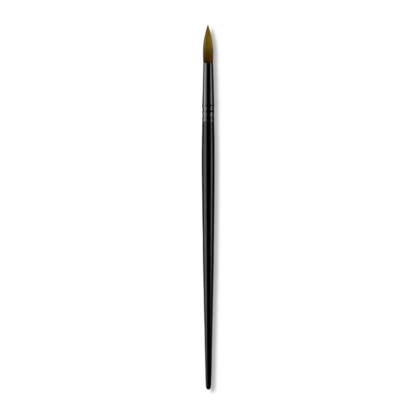
Actavis Bimatoprost (With Brush) 300 mcg (0.03%)
Reduces elevated pressure within the eye by increasing the outflow of fluid from the eye chamber.
Receiving a diagnosis of open-angle glaucoma can feel overwhelming, but modern treatments focus on protecting your vision by managing eye pressure. Nine formulations are listed below, primarily utilizing prostaglandin analogs—such as bimatoprost—which work by increasing the outflow of fluid from the eye to stabilize pressure and slow the progression of nerve damage.
Reduces elevated pressure within the eye by increasing the outflow of fluid from the eye chamber.
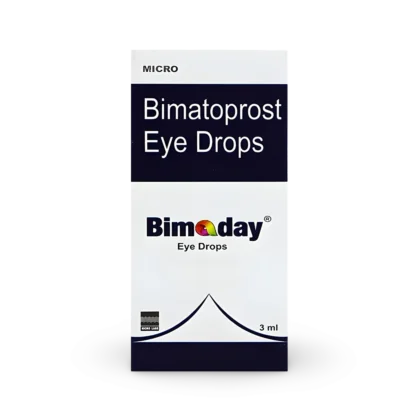
Reduces intraocular pressure by increasing the natural outflow of fluid from the chambers of the eye.
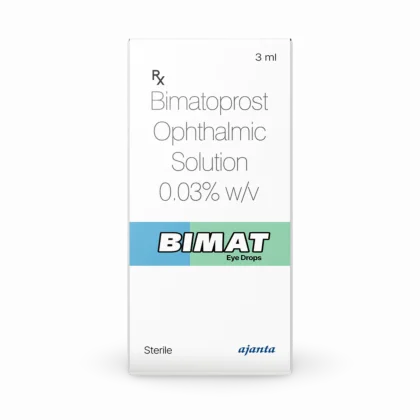
Reduces intraocular pressure by increasing fluid drainage from the eye to maintain healthy optic nerve function.
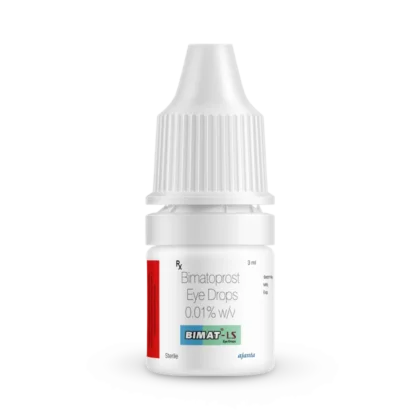
Increases the outflow of fluid from the eye to lower pressure or stimulates hair follicle growth.
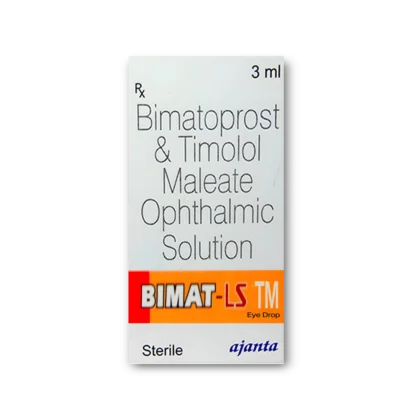
Reduces intraocular pressure by increasing fluid drainage and lowering production rates in the eye tissue.
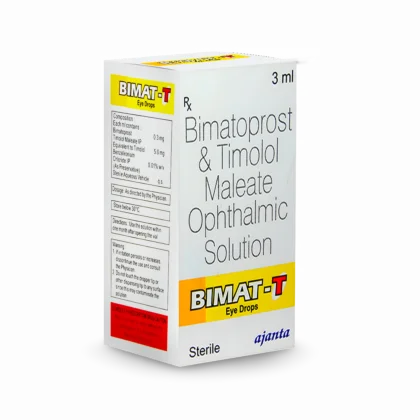
Reduces elevated fluid pressure within the eye by increasing drainage and curbing excess fluid production.
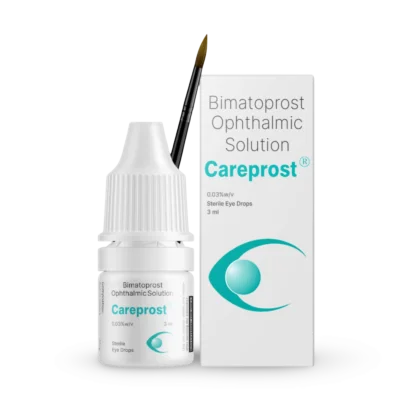
Reduces intraocular pressure in the eye by increasing fluid drainage and modifies eyelash growth patterns.
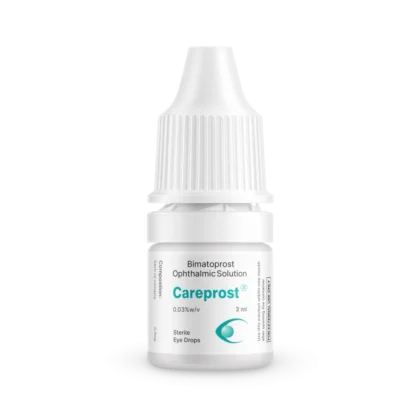
Reduces intraocular pressure by promoting fluid outflow and stimulates eyelash growth through follicle cycle extension.
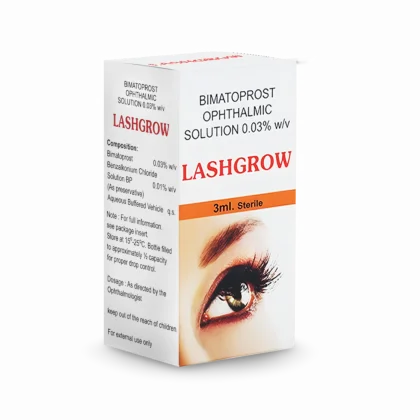
Increases the thickness and length of eyelashes while lowering elevated pressure within the eye chamber.
Open-angle glaucoma often develops slowly, which makes it particularly challenging because early symptoms are rarely noticeable. It occurs when the fluid in your eye does not drain correctly through the meshwork drainage system. This causes a gradual buildup of pressure, which exerts force against the optic nerve at the back of the eye.
Over time, this pressure causes the nerve fibers to deteriorate, resulting in permanent vision loss if left unmanaged. While the internal structures remain “open,” the impairment happens because the drainage efficiency declines. Many people only become aware of the changes after persistent vision loss, which is why regular eye examinations remain essential for early detection.
Treatment for this condition centers on one primary goal: lowering intraocular pressure before it impacts your optic nerve. Healthcare providers typically prescribe eye drops that either reduce the amount of fluid produced in the eye or improve the drainage rate. Prostaglandin analogs represent a frequently prescribed class of medications due to their effectiveness and once-daily dosing frequency.
Across countries like the United States, United Kingdom, Australia, and Canada, these medications are standard components of ophthalmic care. While they do not restore vision already lost to nerve damage, consistent use typically stabilizes the condition. For many, integrating these drops into a daily routine is a lifelong commitment to preserving present sight.
Understanding the categories of eye drops helps you have more informed conversations with your eye care specialist. Medications included in the catalog focus on prostaglandin analogs, which are chemical messengers that stimulate the natural drainage pathways of the eye.
These are commonly the first option tried for open-angle glaucoma due to their ability to provide sustained pressure reduction. By modifying how fluid moves through the trabecular meshwork, these drugs significantly lower the internal pressure that contributes to optic nerve damage. They are typically applied once in the evening, making them manageable for many patients.
Sometimes, managing internal eye pressure requires a multi-pronged approach. Combination drops may include additional active ingredients that work via different mechanisms, such as reducing fluid production simultaneously. Discussing whether a single-agent drop or a combination product fits your specific needs is a vital step in your treatment plan.
Medical providers assess your overall ocular health, including the presence of pre-existing corneal conditions or a history of eye inflammation. Establishing a baseline for your intraocular pressure and optic nerve health ensures that the chosen medication has the best chance to intervene. Providing a full health history is essential for minimizing complications.
Ophthalmic drops can sometimes cause localized eye irritation, redness, or changes in pigmentation of the iris and eyelashes. While many of these effects are manageable, consistent monitoring for unusual sensitivity or persistent stinging is important throughout treatment. If you experience unexpected discomfort, reach out to your provider to discuss potential shifts in your medication approach.
Many glaucoma medications are absorbed systemically in small amounts, which may influence individuals with specific cardiac or respiratory history. Always let your provider know about other eye drops or systemic medicines you use, as certain ingredients can interact in unexpected ways. Product labeling and verified clinical sources remain the correct references for specific contraindications, interactions, and potential reactions.
This page provides an educational overview of Open-angle Glaucoma and the medication categories listed — not medical advice. Individual products differ in active ingredient, formulation, strength, and directions. The page does not authorize self-directed selection, clinical interpretation, or unsupervised use. Readers should review individual product labeling and speak with a healthcare professional when clinical judgment is needed.