
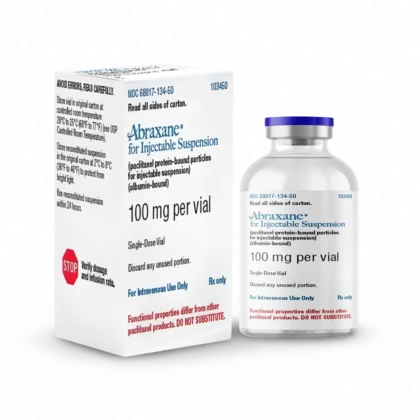
Abraxane 100 Mg Injection
Disrupts cancer cell division by stabilizing the internal scaffolding of cells to stop tumor growth.
Receiving a diagnosis of non-small cell lung cancer brings challenges that require careful, specialized medical attention. Managing this condition involves treatment strategies tailored to individual diagnostic findings. Two formulations are listed below, reflecting chemotherapy options like Abraxane (paclitaxel protein-bound) and targeted therapy options like Krypton Erlotinib, each serving different clinical roles in respiratory oncology.
Disrupts cancer cell division by stabilizing the internal scaffolding of cells to stop tumor growth.
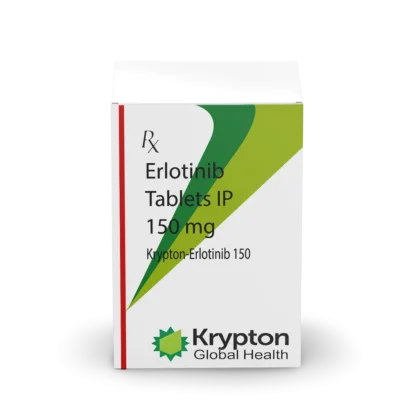
Blocks specific cellular signals that drive uncontrolled cell division in certain types of lung and pancreatic tumors.
Non-small cell lung cancer accounts for the vast majority of lung cancer cases. It develops when abnormal cells in the lungs begin to divide and grow without the typical regulation found in healthy tissue. This process can lead to the formation of tumors that interfere with normal respiratory function and, over time, potentially migrate to other parts of the body.
The emotional impact of this diagnosis is often as significant as the physical symptoms. Many patients express feeling overwhelmed by the complexity of the disease and the uncertainty that comes with staging and planning. Understanding the biological nature of the cancer is often a core step in finding the clarity needed to engage with a healthcare team and discuss potential courses of action.
Treatment for non-small cell lung cancer varies based on the tumor’s stage, genetic mutations, and overall patient health. The current medical landscape utilizes a combination of systemic approaches to address cancer cells throughout the body. These approaches fall into two main categories: traditional cytotoxic chemotherapy and modern targeted therapies.
Chemotherapy agents function by attacking rapidly dividing cells. Because cancer cells multiply much faster than most healthy cells in the body, these medications aim to interfere with the cellular division process to stop tumor growth. Targeted therapies, conversely, focus on specific molecules or pathways that the cancer cells rely on for survival, offering a more precise method of intervention.
Across global markets, including international hubs where these medicines are dispensed, access to these therapies is strictly regulated. Patients in the United Kingdom, Canada, Australia, and various international jurisdictions obtain these medications only through high-level oncology specialists who oversee precise administration and monitoring protocols.
Medications for this condition are categorized by how they interact with cancer cells and the specific objectives of the oncology plan. Understanding these distinctions can help you better articulate your questions and concerns during consultations with your respiratory specialist or oncologist.
Chemotherapy drugs are systemic, meaning they move through the bloodstream to seek out cancer cells throughout the body. They are often used to shrink tumors before surgery or to manage advanced stages of the disease. While effective at targeting rapid cell division, these medications may also affect healthy tissues that naturally regenerate quickly, such as hair follicles or cells in the digestive tract.
Targeted therapies, such as tyrosine kinase inhibitors, represent an evolution in cancer care. These drugs identify and block specific proteins or genetic mutations—such as EGFR mutations—that drive the cancer’s growth. By focusing exclusively on the machinery of the cancer cell, these treatments often cause different types of reactions than conventional chemotherapy, necessitating ongoing monitoring by a qualified physician.
Oncology medications require a comprehensive assessment of your medical history, including liver and kidney function, as these organs are responsible for processing systemic therapies. Be prepared to share a full list of all existing medications, supplements, and herbal remedies with your doctor, as many systemic cancer treatments have significant interactions.
Because these treatments are potent, reactions to therapy are frequent. Common experiences may include fatigue, changes in blood counts, or digestive discomfort. Your oncology team will provide specific guidance for monitoring these changes and will decide when adjustments to the treatment protocol are medically appropriate.
Lung health, cardiovascular status, and immune system strength are critical factors that influence how a patient responds to medication. Certain formulations are not suitable for patients with specific cardiac conditions or pre-existing low blood cell counts. Product labeling and verified clinical sources remain the correct references for specific contraindications, interactions, and potential reactions.
This page provides an educational overview of non-small cell lung cancer and the medication categories listed — not medical advice. Individual products differ in active ingredient, formulation, strength, and directions. The page does not authorize self-directed selection, clinical interpretation, or unsupervised use. Readers should review individual product labeling and speak with a healthcare professional when clinical judgment is needed.