
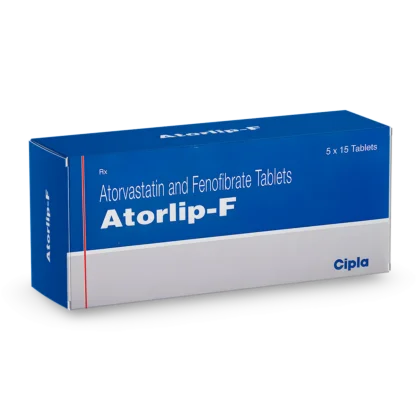
Atorlip F 10+145 Mg
Controls lipid production and lowers triglyceride levels to improve heart health markers and lipid profiles.
Living with mixed cholesterol problems can be stressful, as managing both high LDL cholesterol and elevated triglycerides requires careful attention to your long-term heart health. The four formulations listed below include combinations of statins and fibrates, such as Atorlip F 10+145 mg, Lipicard 200 mg, Roseday-F 10, and Rosuvas F 10 Tablet.
Controls lipid production and lowers triglyceride levels to improve heart health markers and lipid profiles.
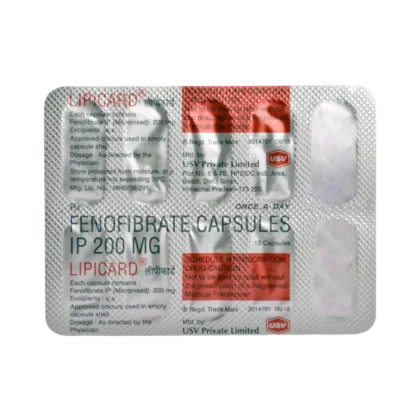
Supports healthy lipid levels by breaking down fats in the bloodstream and reducing triglyceride production.
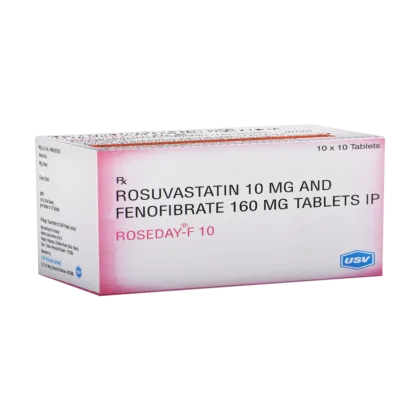
Dual-action combination that lowers harmful cholesterol while targeting high triglycerides to support overall cardiovascular health.
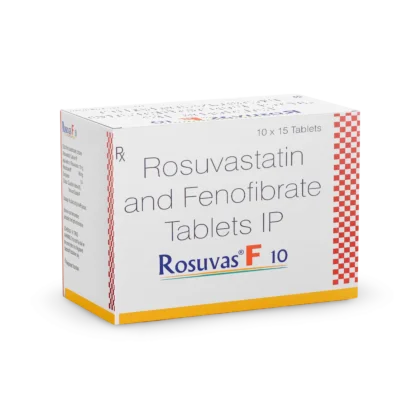
Combined therapy that lowers LDL cholesterol and triglycerides to support cardiovascular health and reduce lipid levels.
Mixed cholesterol problems involve having an imbalance in your blood lipids, specifically elevated low-density lipoprotein (LDL) cholesterol and high triglycerides simultaneously. Unlike conditions where only one marker is high, this state creates a compounding effect on your cardiovascular system. These lipids circulate through your blood and can gradually deposit within the walls of your arteries, narrowing the pathways for blood flow.
People diagnosed with this condition often experience no physical symptoms, yet the underlying physiological changes require consistent attention. Your body may struggle to process fats efficiently due to genetic factors, dietary habits, or underlying metabolic health. Understanding this balance is a significant step toward taking control of your cardiovascular wellness and working effectively with your healthcare team to maintain stable blood health.
Treating mixed cholesterol problems typically involves a multi-pronged approach that targets the different pathways responsible for lipid production and clearance. Providers often prescribe medications from two primary classes: statins and fibrates. Statins act primarily by inhibiting an enzyme in your liver that produces LDL cholesterol, while fibrates are effective at lowering triglyceride levels by enhancing the breakdown of fat-carrying particles in the bloodstream.
In many international markets and among practitioners in the United Kingdom, the United States, and beyond, therapy focuses on utilizing these classes either as monotherapy or in combination. Combination formulations allow for more efficient control over the lipid profile by addressing two mechanisms of action within a single dose. Adjusting these treatments is an iterative process often combined with lifestyle modifications to ensure that your lipid levels remain within personal goals set by your provider.
Medications addressing these lipid imbalances are categorized by their chemical action and how they influence your metabolic pathways. Understanding these classes can help you better communicate with your provider during your next consultation regarding your specific treatment path.
Statins are frequently considered foundational for managing cholesterol, as they focus on reducing the production of LDL—often called “bad” cholesterol—at its source in the liver. By moderating how much cholesterol the body produces, these medicines support the stabilization of plaque within artery walls.
Fibrates target your triglyceride levels, which are another major component of your lipid profile. When triglyceride levels remain high, they contribute to the narrowing of blood vessels; fibrates encourage your body to clear these fats more effectively from the blood.
Some patients benefit from combination therapy, which merges statins and fibrates into one dose. This approach streamlines the daily regimen, making it easier to maintain consistent adherence to the treatment plan prescribed for your unique lipid profile.
Managing cholesterol levels is a long-term commitment that requires baseline blood work to monitor your liver and muscle response. Before starting any therapy, your healthcare provider will review your medical history, specifically looking for past liver concerns or muscle-related sensitivities.
Every individual responds to lipid-lowering medications differently. While many people tolerate statins and fibrates well, some report muscle aches or digestive shifts during the initial adjustment period. Monitoring your body’s response in the first few weeks is standard practice for identifying the most compatible regimen for your lifestyle.
Medications for cholesterol can interact with other drugs and certain food items, such as grapefruit, which may alter how your body processes the medicine. Your provider must account for all supplements or other prescriptions you currently use to avoid potential complications. Product labeling and verified clinical sources remain the correct references for specific contraindications, interactions, and potential reactions.
LDL Cholesterol : A waxy substance often termed “bad” cholesterol that can accumulate in artery walls.
Triglycerides : A common type of fat found in your blood that the body uses for energy, which can be harmful at high levels.
Statin : A class of medication used to lower the production of cholesterol in the liver.
Fibrate : A class of medication used to lower triglyceride levels and improve lipid metabolism.
This page provides an educational overview of mixed cholesterol problems and the medication categories listed—not medical advice. Individual products differ in active ingredient, formulation, strength, and directions. The page does not authorize self-directed selection, clinical interpretation, or unsupervised use. Readers should review individual product labeling and speak with a healthcare professional when clinical judgment is needed.