
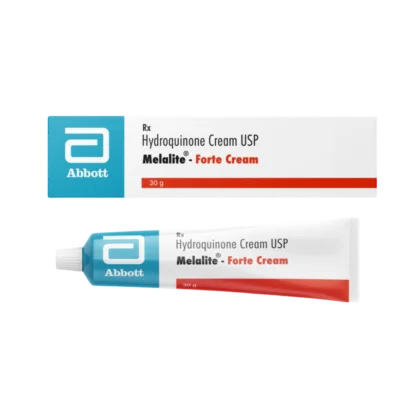
Melalite 4% 30 gm Cream
Lightens skin by reducing the accumulation of pigments that cause localized areas of hyperpigmentation and dark spots.
Melasma is a skin concern that often carries a heavy emotional toll, as the persistent dark patches on your face can feel difficult to hide or manage. Dealing with these visible changes in skin tone is a common struggle. Two formulations are listed below, utilizing topical depigmenting agents containing hydroquinone and combination treatments with corticosteroids.
Lightens skin by reducing the accumulation of pigments that cause localized areas of hyperpigmentation and dark spots.
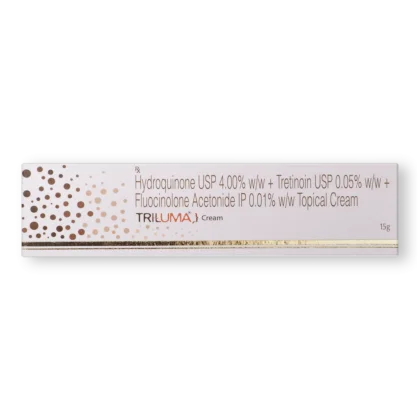
Addresses skin discoloration by slowing melanin production, reducing inflammation, and accelerating the natural cycle of skin turnover.
Melasma appears as darker, brownish, or gray-brown patches, usually occurring on the cheeks, forehead, nose, and chin. Many people notice these changes after significant hormonal fluctuations, such as those during pregnancy or through the use of oral contraceptives, though sun exposure is often the primary factor that makes these marks more prominent.
Living with these skin changes can be frustrating, especially since the patches do not simply fade on their own. While the condition does not cause physical pain or illness, its impact on your skin’s appearance can affect your daily confidence. Understanding that this is a common physiological reaction to hormones and UV light may help take some of the weight off your experience.
Treatment for this condition typically focuses on reducing the intensity of the pigment, which requires a focus on skin cells that are overproducing melanin. Standard approaches often involve topical agents that slow down this pigment production. Because skin chemistry is sensitive, these treatments are most effective when paired with strict sun protection, as ultraviolet exposure can quickly reverse progress