
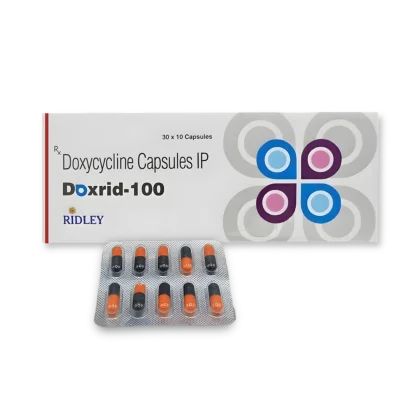
Doxrid 100 mg
Targets protein synthesis within bacterial cells to halt their growth and manage a wide range of infections.
Planning for time abroad in regions where malaria is present can feel overwhelming, but preparation remains the most effective way to protect your health. Malaria prevention focus typically includes vector control and, when advised by a provider, the use of preventative medicines. Two formulations are listed below, both containing the active ingredient doxycycline.
Targets protein synthesis within bacterial cells to halt their growth and manage a wide range of infections.
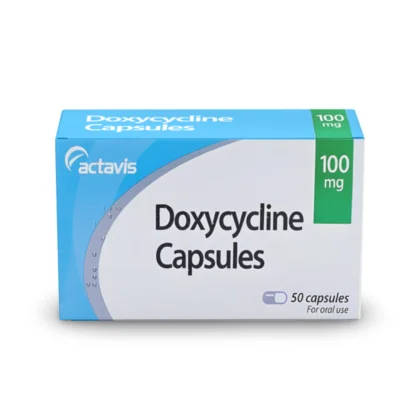
Targets protein production within bacteria to stop their growth and assist your immune system in clearing infections.
Malaria is a serious, often life-threatening disease caused by Plasmodium parasites. These parasites enter the bloodstream through the bites of infected Anopheles mosquitoes, which are primarily active during evening and night hours. When someone travels to endemic regions, the risk of infection makes proactive measures necessary to stay safe.
The condition develops when these parasites multiply in the liver and then infect red blood cells. Symptoms can emerge weeks or even months after exposure, often mimicking the flu with high fevers, chills, and muscle aches. Recognizing the need for prevention before arriving in these high-risk areas is a critical step in managing your health during international travel.
Healthcare providers typically approach malaria prevention through a combination of physical barriers and, depending on the destination, pharmaceutical support. Physical protection often involves using insect repellent containing DEET, wearing long-sleeved clothing, and sleeping under insecticide-treated bed nets, especially in regions where the disease is prevalent.
Medicated prevention, known as chemoprophylaxis, involves taking specific drugs before, during, and after travel to kill parasites if exposure occurs. Tetracycline-class antibiotics like doxycycline are common choices for this purpose. Because malaria parasite strains vary by geography and have developed resistance in certain locations, your choice of prevention must align with the specific risks of your itinerary as determined by a travel health specialist.
When discussing options, you will likely encounter different classes of preventive medicines. Doxycycline belongs to the tetracycline class of antibiotics. It is often favored for its utility in regions where other common anti-malarial drugs have limited effect due to regional parasite resistance.
These medicines generally work by targeting the parasite’s internal cellular processes, preventing it from reproducing effectively within your body. Because these medications are taken on a strict schedule that typically begins shortly before departure and continues for a set duration after leaving the risk zone, coordination with a clinical professional is essential for proper administration.
Discussing your full medical history with a travel medicine expert is necessary before beginning any preventative regimen. Certain medications may not be suitable if you have a history of liver or kidney issues, or if you are currently using other specific antibiotics or blood thinners.
Doxycycline use for malaria prevention is sometimes associated with common effects like nausea or increased skin sensitivity to sunlight. Using sun protection and taking the medication with a full glass of water or food can often assist in managing these discomforts during your travels.
Many anti-malarial medications can interact with common substances, including dairy products, antacids, or supplements that contain calcium, iron, or magnesium, which may interfere with how well the medicine is absorbed. Product labeling and verified clinical sources remain the correct references for specific contraindications, interactions, and potential reactions.
This page provides an educational overview of malaria prevention and the medication categories listed — not medical advice. Individual products differ in active ingredient, formulation, strength, and directions. The page does not authorize self-directed selection, clinical interpretation, or unsupervised use. Readers should review individual product labeling and speak with a healthcare professional when clinical judgment is needed.