

Oestrogel 2.5 gm/1.5 mg
Replenishes estrogen levels to ease symptoms associated with menopause or low hormone production in the body.
Navigating hormone-related changes can be a delicate experience that affects many areas of your daily life. Low estrogen often presents with symptoms like hot flashes, fatigue, and mood fluctuations, which may warrant hormonal support. The three formulations listed below include topical gel options like Oestrogel and oral tablets such as Progynova, providing different ways to address systemic hormone levels.
Replenishes estrogen levels to ease symptoms associated with menopause or low hormone production in the body.

Replenishes estrogen levels to ease common symptoms associated with hormonal changes, improving comfort beyond the menopause transition.
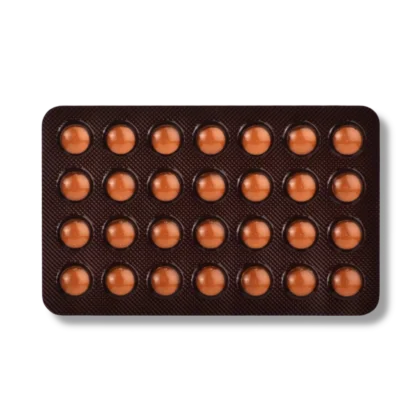
Supports estrogen levels in the body to help manage symptoms associated with hormone changes or deficiency.
Low estrogen, clinically noted as hypoestrogenism, happens when your body stops producing the amount of estrogen it requires for typical physiological function. While often associated with the transition through menopause, this imbalance can occur at various stages of life. You may notice shifts in your cycle, bone density concerns, or changes in skin and hair texture as your body adjusts to lower hormone levels.
Emotional and physical changes often overlap when hormone levels decline. You might experience persistent sleep disruption, reduced energy, or shifts in mood that feel difficult to manage. Understanding these signals is a key step in advocating for your health and finding the right support to regain your sense of balance and comfort.
Treatment for low estrogen focuses on restoring hormonal balance to alleviate symptoms and protect long-term health. Hormone replacement therapy (HRT) serves as the primary approach, providing the body with the estrogen it is no longer producing in sufficient quantities. These therapies work throughout the body to support tissues, bone health, and emotional stability.
Across international markets, these medications are typically provided under professional guidance after assessing your medical history and specific symptoms. Because hormone balance is highly individual, healthcare providers carefully tailor treatment strategies. They weigh the benefits of systemic hormone support against your overall health profile to ensure that any intervention aligns with your personal needs and long-term wellness goals.
Managing low estrogen usually involves choosing between different delivery methods, each designed to suit different lifestyle requirements and absorption needs.
These formulations are applied directly to the skin, where the medication is absorbed into the bloodstream. Many people prefer this method because it bypasses the digestive system and provides a consistent release of hormones. These gels are generally applied in small, daily amounts to clean, dry skin.
Oral therapy involves taking a pre-measured dose of estrogen, often in combination with other hormones depending on your specific needs. These tablets are typically taken once daily and provide a straightforward way to maintain steady hormone levels.
Choosing between these methods is a common topic during provider consultations. Factors such as your comfort with topical application, your daily routine, and your body’s unique reaction to different forms help you and your provider determine which approach may assist you best.
Hormone replacement therapy requires a thorough review of your medical history, particularly regarding cardiovascular health and history of blood clots. It is essential to discuss any personal or family history of hormone-sensitive conditions, such as certain breast or uterine concerns, before beginning any regimen. Your provider will assess whether these medications are appropriate based on your specific health landscape.
Everyone reacts differently to hormone therapy as the body adjusts to new levels. You might experience mild bloating, breast tenderness, or headaches as your system stabilizes. While these effects often settle over time, keeping a record of how you feel after starting treatment can provide useful insights for your follow-up appointments.
Estrogen medications can interact with other drugs, including those for liver health or specific seizure medications. Ensuring your provider has a current list of all your supplements and prescriptions is vital for identifying potential interactions. Regular monitoring of your blood pressure and pelvic health remains an important part of any long-term hormone management plan.
Product labeling and verified clinical sources remain the correct references for specific contraindications, interactions, and potential reactions.
This page provides an educational overview of low estrogen and the medication categories listed — not medical advice. Individual products differ in active ingredient, formulation, strength, and directions. The page does not authorize self-directed selection, clinical interpretation, or unsupervised use. Readers should review individual product labeling and speak with a healthcare professional when clinical judgment is needed.