
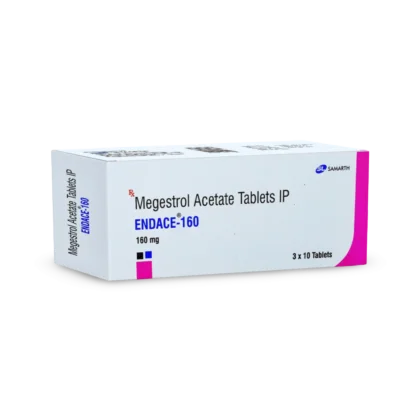
Endace 160 Mg Tablet
Supports nutritional intake and manages condition-related weight loss by altering hormonal balance within the body.
Experiencing a persistent lack of interest in food can feel isolating and physically draining, especially when eating becomes a chore rather than a necessity. Understanding the underlying causes is the first step toward regaining your strength and well-being. One formulation is listed below, representing antihistamine-class medicines often used for appetite stimulation.
Supports nutritional intake and manages condition-related weight loss by altering hormonal balance within the body.
Loss of appetite, or anorexia, describes a reduction in the desire to eat that often impacts your daily energy levels and long-term health. Unlike temporary lack of hunger, this condition persists, making it challenging for your body to get the nutrients required to function effectively. It can stem from many sources, including physical illnesses, medications, or psychological factors that dampen your natural hunger cues.
When appetite remains suppressed for an extended period, the body may struggle to maintain muscle mass and metabolic function. Because the experience of not wanting to eat is deeply personal, it is common to feel overwhelmed by the need to force meals. Recognizing the importance of nutritional support is a meaningful start toward addressing this concern and feeling more like yourself again.
Managing a long-term reduction in appetite typically focuses on identifying the root cause and, if necessary, providing pharmacological support to encourage natural eating patterns. In the global medical community, clinicians often look at underlying metabolic, gastrointestinal, or psychological triggers before recommending specific interventions. Treatment strategies are tailored to help restore interest in food while addressing the symptoms of potential nutritional deficits.
Pharmacological approaches often involve medications that trigger the body’s hunger centers or reduce the nausea that might prevent you from eating. Antihistamine-class medications are occasionally utilized for their secondary properties, which may encourage a more consistent appetite as part of a broader health plan. In many international markets, these options are evaluated based on how they complement lifestyle changes like structured meal schedules or dietary adjustments.
Medications designed to support appetite typically work by interacting with neurotransmitters in the brain or soothing the digestive system. These medications are not meant to replace a healthy diet but are used to ease the barrier to eating when conventional methods have not been successful. Understanding how these triggers work can help you have a more informed conversation with your provider.
Antihistamine-based formulations are a common category explored in this context. These medicines have properties that indirectly signal the body to increase caloric intake, often by reducing feelings of satiety or sensitivity that prevent consistent eating. Because every individual experiences appetite loss differently, providers consider how these various classes might fit into your current health circumstances.
Addressing appetite issues requires a clear understanding of your overall physical health. It is essential to ensure that your medical team is aware of any pre-existing conditions, particularly those involving your liver, kidneys, or heart. Before starting any therapy, consider discussing your complete health history with a professional to ensure that the approach taken is appropriate for your specific needs.
Every individual reacts differently to medicines intended to influence hunger. Some may notice changes in alertness or digestion when beginning a new treatment, as medications that act on appetite cues can sometimes affect other body processes. If you notice any discomfort or unexpected changes, it is important to observe body reactions closely and relay this information to your care provider.
Certain medicines, especially those that have sedative or stimulating effects, may interact with appetite-supporting treatments. It is critical to review all your current supplements and prescribed medicines with a pharmacist or doctor to avoid potential conflicts. Product labeling and verified clinical sources remain the correct references for specific contraindications, interactions, and potential reactions.
This page provides an educational overview of loss of appetite and the medication categories listed — not medical advice. Individual products differ in active ingredient, formulation, strength, and directions. The page does not authorize self-directed selection, clinical interpretation, or unsupervised use. Readers should review individual product labeling and speak with a healthcare professional when clinical judgment is needed.