
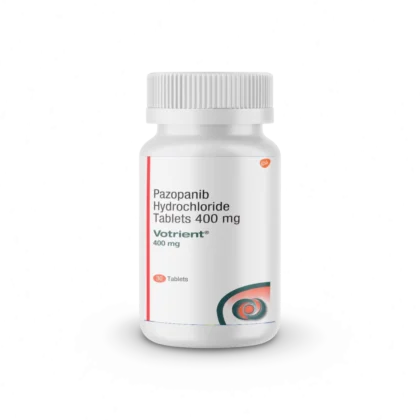
Votrient 400 Mg
Targets protein kinases involved in tumor blood supply to reduce the rate of cancer cell growth.
Receiving a diagnosis of kidney cancer often brings a complex mix of emotions and uncertainty about the road ahead. Understanding your treatment options is a vital part of taking an active role in your care journey alongside your medical team. Renal cell carcinoma is the most common form, and treatment typically centers on systemic therapies, such as tyrosine kinase inhibitors that target specific pathways to slow tumor growth. One formulation is listed below — Votrient 400 mg, containing pazopanib.
Targets protein kinases involved in tumor blood supply to reduce the rate of cancer cell growth.
Kidney cancer develops when cells within the kidneys begin to grow uncontrollably, forming tumors that can disrupt normal organ function. While the exact cause remains unknown, certain factors like smoking, high blood pressure, and specific genetic conditions are linked to higher rates of development. Many patients experience few symptoms in early stages, which often leads to the condition being identified during routine imaging for other health problems.
Navigating the emotional impact of a diagnosis is as significant as managing the physical aspects of the disease. You may feel overwhelmed as you learn about the complexity of renal cell carcinoma and the various ways it can be managed. Having access to clear information about your potential treatment landscape can provide a sense of agency as you collaborate with your oncologist to determine the most suitable strategy for your specific health goals.
Treatment approaches for kidney cancer depend largely on the stage and progression of the disease. Practitioners often utilize a combination of surgical removal, systemic medical therapies, and targeted treatments to address the growth of cancerous cells. Your oncology team will determine whether systemic therapy is appropriate based on your overall health, the tumor characteristics, and the specific molecular markers present in the cancer cells.
Systemic treatments, including tyrosine kinase inhibitors, circulate throughout the body to target specific proteins that help cancer cells grow and divide. These medications represent a significant shift in oncology, moving away from generalized approaches toward more precise interventions. Regulatory access to these specialized medications varies across international markets, and they are strictly managed within healthcare settings to ensure they are used appropriately for diagnosed patients.
Targeted therapies like pazopanib function by blocking signaling pathways that encourage tumor development and the formation of new blood vessels. By inhibiting these specific proteins, the medication aims to limit the oxygen and nutrients needed for the tumor to expand. This class of medication is designed for systemic use, meaning it affects the entire body rather than acting only on a localized area.
These medications are generally reserved for specific stages of renal cell carcinoma and are administered according to stringent protocols. Unlike traditional treatments that may affect all rapidly dividing cells, targeted therapy is intended to hone in on the mechanics of the cancer cells themselves. Your medical team will monitor your progress closely to balance the effectiveness of these treatments with your body’s tolerance to the medicine.
Systemic treatments for renal cell carcinoma require extensive evaluation of your liver, kidney, and cardiovascular health before they can be prescribed. Doctors perform baseline testing to ensure your body is physiologically prepared to handle the demands of potent targeted therapies. Be prepared to share your full medical history, including any previous surgeries or long-term medication use.
Targeted therapies often cause systemic reactions, as they influence cellular signaling pathways that are not exclusive to cancer cells. Patients may experience changes in blood pressure, fatigue, or skin sensitivities while the body adjusts to the medication. Open communication with your oncologist is necessary to distinguish expected reactions from signs that your treatment plan may need adjustment.
Many systemic cancer treatments carry a high potential for interactions with other common prescription drugs, supplements, and even certain foods. Because these medications are processed by the liver or kidneys, your existing organ function dictates how the medicine is metabolized and cleared from your system. Product labeling and verified clinical sources remain the correct references for specific contraindications, interactions, and potential reactions.
This page provides an educational overview of kidney cancer and the medication categories listed — not medical advice. Individual products differ in active ingredient, formulation, strength, and directions. The page does not authorize self-directed selection, clinical interpretation, or unsupervised use. Readers should review individual product labeling and speak with a healthcare professional when clinical judgment is needed.