
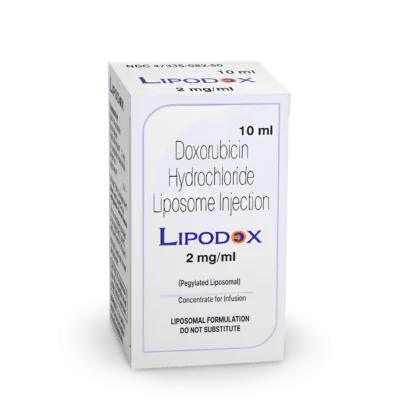
Lipodox 10 Mg Injection
Delivers potent anti-neoplastic compounds within protected lipid spheres to target malignant cells while minimizing systemic impact.
Navigating a diagnosis of Kaposi sarcoma requires strength and steady access to supportive care. This type of cancer develops from cells lining blood or lymph vessels, forming patches or tumors. One formulation is listed below, representing anthracycline-class medications used in clinical oncology settings as part of specialized care programs.
Delivers potent anti-neoplastic compounds within protected lipid spheres to target malignant cells while minimizing systemic impact.
Receiving a diagnosis of Kaposi sarcoma often brings a wave of complex emotions and questions about the development of the condition. It involves the growth of abnormal cells that form lesions, typically appearing as purple, red, or brown spots on the skin. While these lesions are common on the skin, the disease can also affect the linings of the mouth, nose, throat, and internal organs.
The condition is often associated with the human herpesvirus 8 (HHV-8) and predominantly occurs when immune system health is compromised. Because lesions can grow in sensitive areas, symptoms vary widely from person to person. Understanding the underlying mechanism of these vascular growths is a focus for providers who manage the disease, as they look to address both the lesions themselves and the associated immune challenges.
Treatment for Kaposi sarcoma is highly individualized, focusing on managing the size of tumors and addressing the underlying immune status. Clinical oncology protocols often prioritize systemic medications that travel throughout the body to target actively dividing cancer cells. These treatments are typically administered within specialized medical centers to ensure precise dosing and monitoring.
Liposomal formulations represent a standard approach within this treatment landscape across international markets. These specific preparations encase the active medication within microscopic lipid bubbles, which may alter how the drug distributes throughout the body and reaches affected tissue sites. This delivery method is designed to manage therapy outcomes while aligning with broader clinical objectives for oncology patients.
Medications for this condition almost exclusively fall into the category of cytotoxic agents—drugs that specifically target and disrupt the replication cycle of rapidly growing cells. The primary class used is the anthracycline family, which effectively interferes with DNA synthesis in cancer cells. Liposomal encapsulation has become a specialized development of this class.
By using a liposomal delivery system, the medication remains in the bloodstream for a different duration than traditional liquid formulations. This approach serves to concentrate the therapeutic effect toward the vascular tumors associated with Kaposi sarcoma. Because these treatments are potent, they are used strictly under the guidance of oncologists who monitor blood chemistry and organ function throughout the course of treatment.
Patients across global markets and similar regulated regions utilize online pharmacy directories to verify the availability of oncology medications before speaking with a local provider. The following insights detail research behavior regarding these specialized formulations:
Specialized oncology treatments require a detailed review of your medical history, particularly regarding cardiac and liver health. Providers evaluate pretreatment status to ensure the body’s systems can process potent cytotoxic medications. Regular monitoring of blood cell counts is a fundamental part of the standard safety protocol for those receiving these therapies.
Because these medications affect rapidly dividing cells, they may influence both cancerous and healthy tissue. Patients are typically monitored for systemic reactions, which can include fatigue, changes in blood cell counts, or localized responses at the site of administration. Tolerance is highly variable, and clinical teams utilize specific guidelines to adjust treatment plans based on individual patient responses.
Cytotoxic medications have the potential for significant interactions with other substances, including over-the-counter supplements and common prescription medicines. Your medical team requires a full list of all current health factors and co-administered treatments to mitigate potential complications. Product labeling and verified clinical sources remain the correct references for specific contraindications, interactions, and potential reactions.
This page provides an educational overview of Kaposi sarcoma and the medication categories listed — not medical advice. Individual products differ in active ingredient, formulation, strength, and directions. The page does not authorize self-directed selection, clinical interpretation, or unsupervised use. Readers should review individual product labeling and speak with a healthcare professional when clinical judgment is needed.