
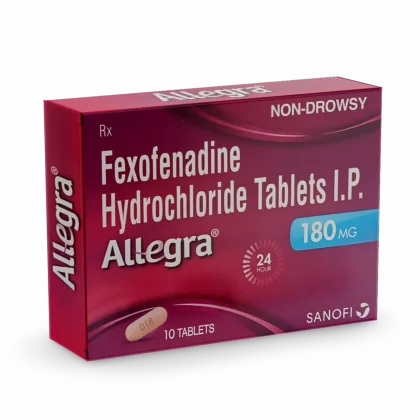
Allegra 180 Mg
Blocks histamine receptors to provide relief from seasonal allergy symptoms without causing traditional drowsiness.
Living with persistent skin irritation can be physically taxing and mentally exhausting. Feeling the constant urge to scratch disrupts your sleep, focus, and daily comfort. Finding a way to soothe your skin is often the first step toward reclaiming your sense of well-being. Three formulations are listed below, including antihistamines such as Allegra (fexofenadine) and Atarax (hydroxyzine), alongside the appetite-stimulating agent Ciplactin (cyproheptadine).
Blocks histamine receptors to provide relief from seasonal allergy symptoms without causing traditional drowsiness.
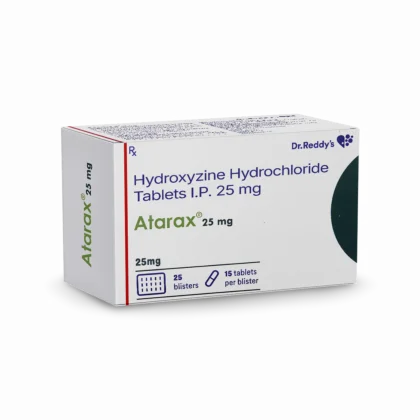
Reduces nerve signals that cause itching and promotes a calming effect by targeting chemical receptors in the brain.

Blocks histamine receptors throughout your body to ease allergy symptoms, itching, and associated sensitivity reactions.
Itching, known clinically as pruritus, is an uncomfortable sensation of the skin that triggers a physiological urge to scratch. While it is a common reaction to insect bites or dry air, persistent itching often points to an underlying issue. Your body may be reacting to allergens, skin inflammation, or even systemic health conditions that disrupt the skin barrier’s integrity.
When you experience chronic itching, the act of scratching often intensifies the sensation by damaging the skin further. This “itch-scratch cycle” can lead to redness, swelling, and secondary skin infections. Understanding the root cause—whether it originates from an external trigger, immune system activity, or internal imbalance—is essential for moving toward lasting relief.
Treatment approaches generally focus on addressing the specific trigger of the irritation. If allergic reactions or skin sensitivity are the primary cause, healthcare providers often recommend medications that calm the immune response. Drugs in the antihistamine class are frequently utilized because they block histamines, which are chemicals the body releases during an allergic reaction that play a key role in causing the skin to feel irritated and swollen.
In some medical environments, medications with antihistamine properties offer a dual effect, occasionally used to assist with appetite stimulation when physiological factors warrant it. Across international markets, clinicians evaluate your overall health profile to determine if a topical approach is sufficient or if an oral medication is necessary to address the source of the discomfort systemically.
Medications directed at itching generally fall into categories managed by their mechanism of action. Oral antihistamines are the most standard category for systemic relief. These drugs work by binding to H1 receptors in the body, which prevents histamines from triggering the nerve endings in your skin that signal itchiness.
Understanding the difference between sedative and non-sedating antihistamines is useful when discussing treatment with a provider. Some antihistamine formulations are designed to be used daily with minimal impact on your alertness, while others may be recommended for nighttime use to prevent the disruption of sleep caused by intense irritation.
Combination or specialized antihistamine agents, such as cyproheptadine, act broadly on various receptors. While often associated with the management of itch or allergic symptoms, they also possess distinct properties that affect appetite regulation. Comparing these options—not by effectiveness, but by their primary pharmacological action and potential secondary impacts—is a central part of preparing for a consultation.
Always ensure that the root cause of your skin irritation has been evaluated. Itching can sometimes signal conditions that antihistamines alone do not address, such as specific skin infections or systemic metabolic issues. Starting a medication without a professional diagnosis may delay appropriate care for skin conditions requiring targeted therapies.
Antihistamines are generally well-tolerated, but they can cause symptoms such as dry mouth, drowsiness, or dizziness. These reactions often depend on the specific chemical structure of the medication. Some agents may affect your coordination or alertness, which is a factor to consider if your daily life requires high levels of focus or physical activity.
Your other medications and underlying health conditions are crucial variables when selecting an antihistamine. Certain medications may interact with antihistamines in ways that intensify sedation, while existing conditions—such as glaucoma or urinary concerns—may influence which specific agent your provider considers appropriate. Product labeling and verified clinical sources remain the correct references for specific contraindications, interactions, and potential reactions.
This page provides an educational overview of itching and the medication categories listed—not medical advice. Individual products differ in active ingredient, formulation, strength, and directions. The page does not authorize self-directed selection, clinical interpretation, or unsupervised use. Readers should review individual product labeling and speak with a healthcare professional when clinical judgment is needed to ensure the chosen approach is appropriate for your specific health needs and goals.