
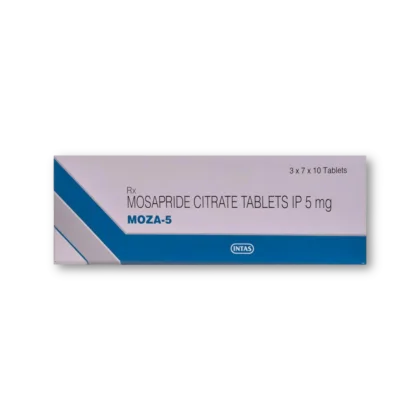
Moza 5 mg
Supports normal digestive motility by stimulating receptors in the gut wall to improve stomach emptying.
Living with frequent indigestion can feel like a constant interruption to your day, turning simple meals into sources of anxiety or physical discomfort. When your stomach feels heavy, bloated, or uncomfortably full, finding the right approach to ease those symptoms is a priority. Three formulations are listed below, covering prokinetics like mosapride, and combination therapies featuring proton pump inhibitors (PPIs) and dopamine antagonists like rabeprazole with domperidone or domperidone alone.
Supports normal digestive motility by stimulating receptors in the gut wall to improve stomach emptying.
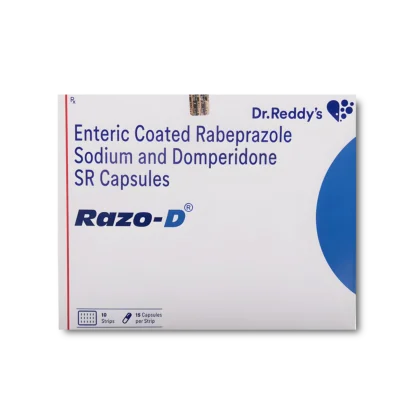
Reduces stomach acid production while accelerating digestive movement to ease persistent heartburn and nausea symptoms.
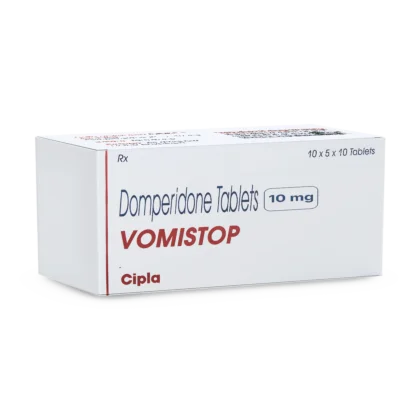
Blocks dopamine receptors to speed up digestive movement and reduce the urge to finish meals in discomfort.
Indigestion, often referred to as dyspepsia, describes a recurring pain or discomfort in the upper abdomen. It frequently manifests as a burning sensation, persistent fullness during meals, or an early feeling of being satiated. Many people experience this after eating, though symptoms can sometimes arise unexpectedly, impacting your energy and daily comfort.
Several factors drive this condition, including slowed stomach emptying, increased stomach acid, or mild inflammation of the stomach lining. Lifestyle factors—such as how quickly you eat, the types of food consumed, and general stress levels—often play a significant role. Understanding your specific triggers is a fundamental step in regaining control over how you feel after meals.
Managing dyspepsia typically involves addressing the underlying cause of your discomfort, whether it is excess acid, slow digestion, or sensitivity in the digestive tract. Treatment approaches aim to harmonize the speed at which your stomach processes food and neutralize the acid that causes that familiar burning sensation.
Prokinetics are used to assist with motility, helping the stomach empty more efficiently. Conversely, acid-suppressing agents are often utilized when the primary symptom is related to irritation from stomach acid. Across international markets, including various locations in the Asia-Pacific region and beyond, combinations of these categories are often referenced in clinical settings to provide broader management of complex symptoms.
Medications for indigestion generally fall into categories that address either the mechanical pace of digestion or the chemical environment of the stomach. Understanding what these classes do can help you have a more informed discussion with your healthcare provider.
These medications stimulate the muscles in the stomach and upper intestine. By encouraging more consistent movement, they help food pass through the digestive system at a more natural rate, which may reduce feelings of fullness and bloating after eating.
Some treatments combine a proton pump inhibitor, which reduces the amount of acid your stomach produces, with a prokinetic or anti-nausea agent. This dual approach is intended to provide comfort by addressing both the irritation caused by acid and the physical sensation of sluggish digestion.
Always consider your complete medical history, including any previous diagnoses of stomach ulcers, blockages, or bowel issues. Discuss your current health status with a professional to ensure that the medication selected aligns with your body’s specific needs and does not exacerbate underlying conditions.
Medications for this condition can affect individuals differently, particularly regarding how your digestive tract responds to acid suppression or muscle stimulation. While one person may find relief with a prokinetic agent, another might require a PPI-based combination. Monitoring how your body reacts to the introduction of any new medication remains a primary safeguard.
Indigestion treatments can interact with a variety of other substances, including certain heart medications, antibiotics, or supplements that also influence stomach pH. Because your liver and kidneys are involved in processing these medications, informing your provider about your full medication list is essential. Product labeling and verified clinical sources remain the correct references for specific contraindications, interactions, and potential reactions.
This page provides an educational overview of indigestion and the medication categories listed — not medical advice. Individual products differ in active ingredient, formulation, strength, and directions. The page does not authorize self-directed selection, clinical interpretation, or unsupervised use. Readers should review individual product labeling and speak with a healthcare professional when clinical judgment is needed.