
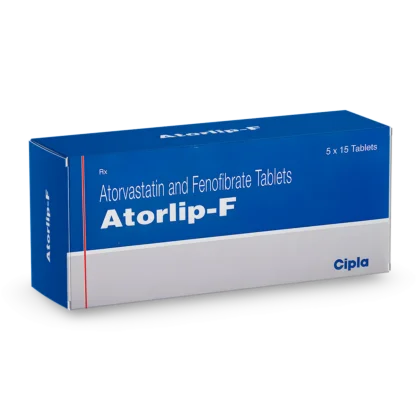
Atorlip F 10+145 Mg
Controls lipid production and lowers triglyceride levels to improve heart health markers and lipid profiles.
Managing elevated levels of triglycerides often feels like a constant weight, especially when you are focused on improving your long-term cardiovascular health. These four formulations include fibrates and combination therapy options, such as Atorlip F 10+145 mg, Lipicard 200 mg, Roseday-F 10, and Rosuvas F 10 Tablet, designed to assist in lipid management.
Controls lipid production and lowers triglyceride levels to improve heart health markers and lipid profiles.
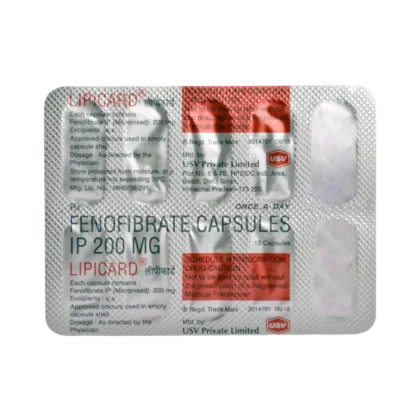
Supports healthy lipid levels by breaking down fats in the bloodstream and reducing triglyceride production.
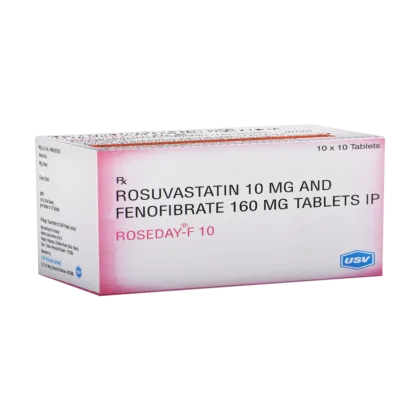
Dual-action combination that lowers harmful cholesterol while targeting high triglycerides to support overall cardiovascular health.
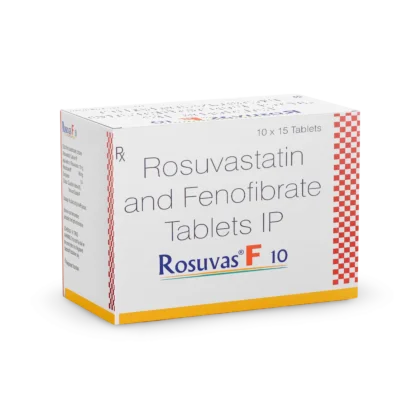
Combined therapy that lowers LDL cholesterol and triglycerides to support cardiovascular health and reduce lipid levels.
High triglycerides represent a condition where your blood contains an excess amount of this specific type of fat. Unlike cholesterol, which your body needs for building cells, triglycerides are primarily stored energy. When you consume more calories than you burn, your body converts the excess into these fats, which then circulate through the bloodstream.
Living with this condition can cause worry because it is frequently linked to broader metabolic concerns. While high levels are often discovered during routine blood work, they act as a meaningful signal from your body that your cardiovascular and metabolic systems require attention. Recognizing this condition is the first step toward working with your provider to build a sustainable management plan.
Treatment typically centers on lowering triglyceride levels to support heart health and reduce potential complications. The primary pharmacological approach involves the use of fibrate-class medications, which work by increasing the breakdown of triglyceride-rich fats in the blood. In many cases, these are used alongside lifestyle changes to address underlying dietary and metabolic contributors.
When high triglycerides occur alongside high cholesterol, healthcare providers may turn to combination therapies. These formulations integrate a fibrate with a statin, providing a dual-action approach that addresses both triglyceride production and cholesterol synthesis. Across international markets, including sites like the United States and the United Kingdom, these medications are strictly prescription-based due to the need for monitoring lipid profiles and ensuring liver and muscle safety.
Understanding the broad categories of lipid-lowering treatments can help you have a more informed conversation with your healthcare provider. The treatments listed here generally fall into two distinct groups, each targeting different aspects of your lipid profile.
Fibrates are primarily indicated for the reduction of very high triglycerides. They influence specific receptors in your body that regulate fat metabolism, effectively lowering the amount of triglycerides circulating in your blood. These are often considered when dietary modifications alone do not result in the desired lipid levels.
Combination products offer a comprehensive way to manage multiple lipid markers simultaneously. By pairing a statin—which inhibits the enzyme your liver uses to produce cholesterol—with a fibrate, these tablets address both triglyceride elevation and LDL cholesterol. This approach is often beneficial for patients whose cardiovascular health requires a multi-faceted management strategy.
Confirming your current liver and kidney function is essential before starting lipid-modifying medications. Your healthcare provider will likely require base-line blood tests, as certain treatments can affect these organs or interact with existing health conditions. Be transparent about your medical history, especially regarding gallbladder or liver disease.
Discomfort can sometimes occur when starting new lipid-lowering therapies. Some individuals report muscle aches, gastrointestinal upset, or fatigue as the body adjusts to the medication. Because these treatments are designed for long-term use, identifying these signals early allows your provider to adjust the plan to ensure it remains manageable for your daily life.
High-triglyceride treatments can interact with a wide range of other medicines, including blood thinners and certain heart medications. It is important to disclose all supplements and prescription drugs you currently take. Product labeling and verified clinical sources remain the correct references for specific contraindications, interactions, and potential reactions.
This page provides an educational overview of high triglycerides and the medication categories listed — not medical advice. Individual products differ in active ingredient, formulation, strength, and directions. The page does not authorize self-directed selection, clinical interpretation, or unsupervised use. Readers should review individual product labeling and speak with a healthcare professional when clinical judgment is needed to ensure the chosen treatment aligns with their specific metabolic health status.