
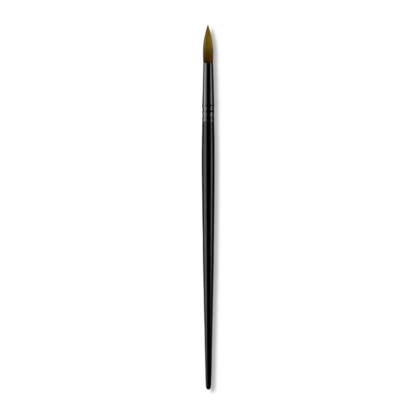
Actavis Bimatoprost (With Brush) 300 mcg (0.03%)
Reduces elevated pressure within the eye by increasing the outflow of fluid from the eye chamber.
Living with high eye pressure can feel overwhelming, especially when you think about the long-term impact on your sight. It is natural to feel anxious about a condition that, if left unmanaged, may quietely affect your field of vision. Nine formulations are listed below, focusing on prostaglandin analogs containing bimatoprost (Actavis Bimatoprost, Bimaday, Bimat, and Careprost).
Reduces elevated pressure within the eye by increasing the outflow of fluid from the eye chamber.
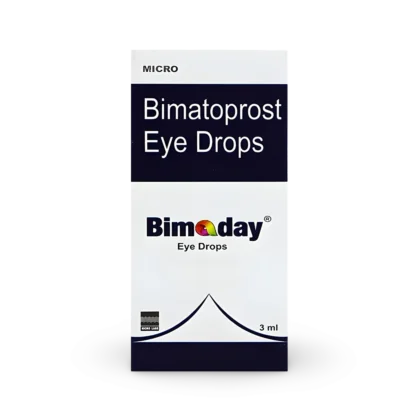
Reduces intraocular pressure by increasing the natural outflow of fluid from the chambers of the eye.
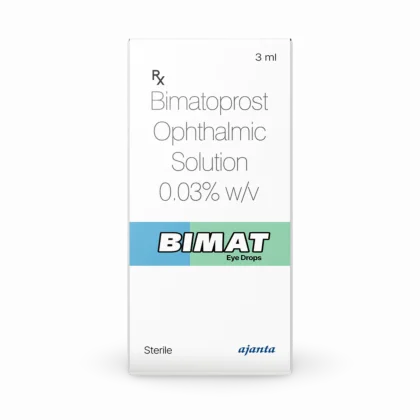
Reduces intraocular pressure by increasing fluid drainage from the eye to maintain healthy optic nerve function.
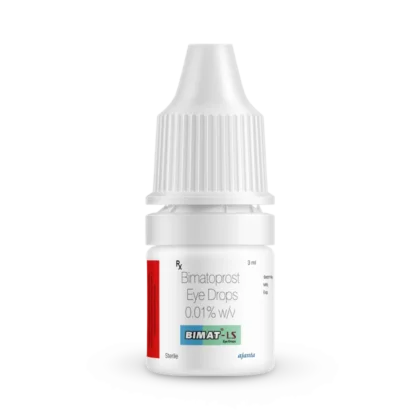
Increases the outflow of fluid from the eye to lower pressure or stimulates hair follicle growth.
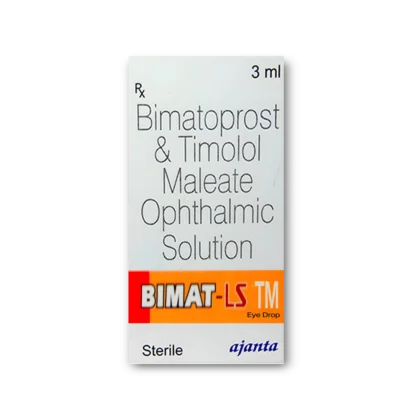
Reduces intraocular pressure by increasing fluid drainage and lowering production rates in the eye tissue.
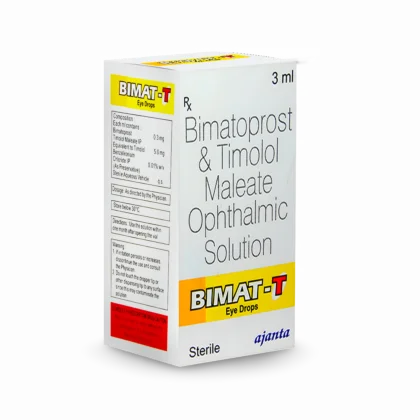
Reduces elevated fluid pressure within the eye by increasing drainage and curbing excess fluid production.
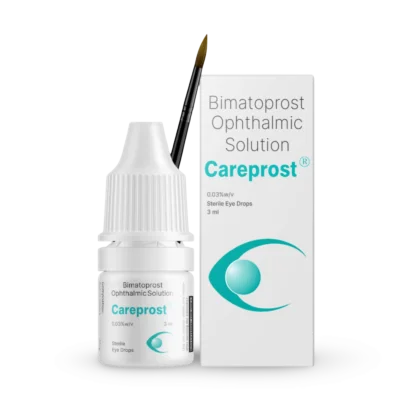
Reduces intraocular pressure in the eye by increasing fluid drainage and modifies eyelash growth patterns.
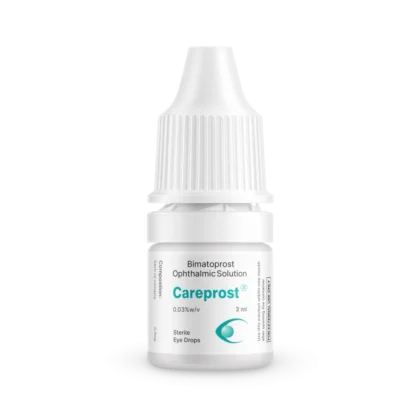
Reduces intraocular pressure by promoting fluid outflow and stimulates eyelash growth through follicle cycle extension.
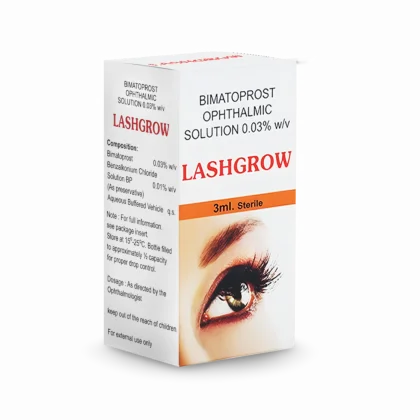
Increases the thickness and length of eyelashes while lowering elevated pressure within the eye chamber.
High eye pressure, or ocular hypertension, occurs when the fluid inside your eyes does not drain as efficiently as it should. This buildup of aqueous humor creates pressure that pushes against the delicate structures of the eye. While you may not experience physical pain or noticeable symptoms, this internal pressure can gradually affect the optic nerve, which carries visual information to the brain.
Detecting this condition early is a primary reason for routine eye examinations. If ignored, the pressure may eventually contribute to more permanent vision changes. Understanding that your body is simply struggling to maintain consistent fluid balance can help you feel more empowered to address the condition alongside a healthcare professional.
Managing elevated intraocular pressure typically involves medications that encourage fluid drainage or decrease fluid production. Prostaglandin analogs represent a primary therapeutic approach, working effectively to increase the outflow of fluid from the eye. These treatments are applied topically to the surface of the eye, providing a focused method for pressure reduction.
Regulatory access to these ophthalmic medications varies across the international markets of Singapore, Hong Kong, and beyond. In most regions, these treatments require a clinical diagnosis and an assessment of your overall eye health by an optometrist or ophthalmologist. They are not intended for casual use, as they must be paired with regular monitoring of your eye pressure levels.
The formulations listed here are part of the prostaglandin analog class. These medicines function by relaxing the muscles around the eye’s drainage channels, significantly improving the rate at which fluid leaves the eye. Because they are delivered via precise drop delivery, they offer a direct mechanism to keep internal pressure within a healthy range.
Some products in this category include applicator brushes or specialized dropper designs. These tools assist in managing the volume of the medicine applied, which is important for ensuring consistent results. Since you may be sensitive to certain preservative ingredients found in these ocular solutions, discussing different formulations with your provider can help you find one that is comfortable for daily adherence.
Your eye care provider will assess whether your pressure levels warrant intervention and check for underlying conditions. It is important to disclose any history of uveitis, lens complications, or previous eye surgeries. These factors influence how your eyes may react to prostaglandin analog therapy.
Topical eye medications may cause common side effects like temporary stinging, redness, or dryness immediately after application. Some individuals notice changes in the color of the iris or darkening of the skin around the eyelids over time. While these changes are often localized and managed through clinical supervision, they should be monitored by your provider.
Tell your provider about all other medications you use, including systemic medicine for other health conditions. Although applied topically, a small amount of the medication can be absorbed into your system, potentially interacting with other treatments. Product labeling and verified clinical sources remain the correct references for specific contraindications, interactions, and potential reactions.
This page provides an educational overview of high eye pressure and the medication categories listed — not medical advice. Individual products differ in active ingredient, formulation, concentration, and directions for use. This page does not authorize self-directed selection, clinical interpretation, or unsupervised use. Readers should review individual product labeling and speak with a healthcare professional when clinical judgment is needed for the management of eye health.