
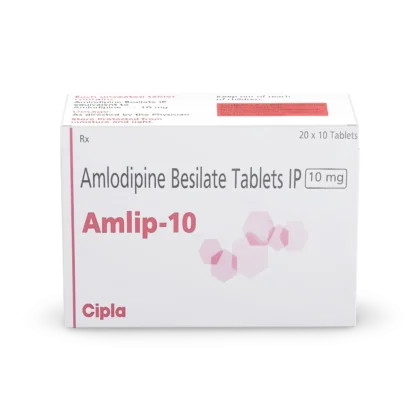
Amlip 10 Mg Tablet
Relaxes blood vessel walls to improve circulation and lower the force required for the heart to pump.
Managing a diagnosis of high blood pressure, or hypertension, often feels overwhelming, but understanding your treatment options can provide a sense of clarity. The 14 formulations listed below include calcium channel blockers (Amlip), loop and thiazide diuretics (Lasix, Frusenex, Aquazide), alpha-blockers (Doxacard, Minipress XL, Arkamin), beta-blockers (Nebicard, Nebi), and combination vasodilators (Cipril H).
Relaxes blood vessel walls to improve circulation and lower the force required for the heart to pump.
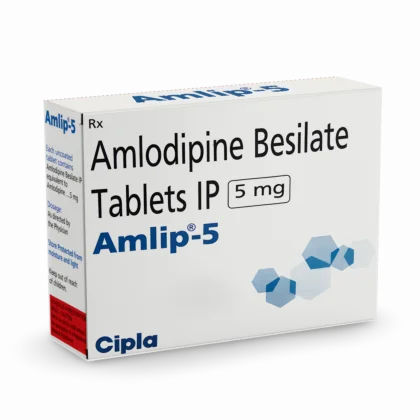
Relaxes blood vessel walls to improve circulation, reducing the force your heart needs to pump blood.
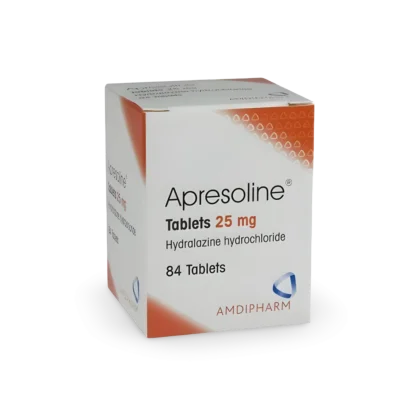
Relaxes blood vessel walls to lower systemic blood pressure and reduce the workload on the heart.
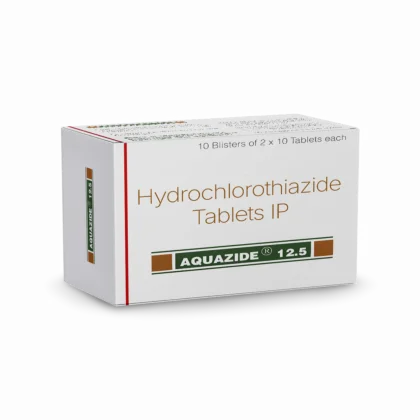
Reduces excess body fluid and lowers blood pressure by helping your kidneys eliminate extra salt and water.

Reduces nerve signaling intensity to lower blood pressure and stabilize vascular responses in various conditions.
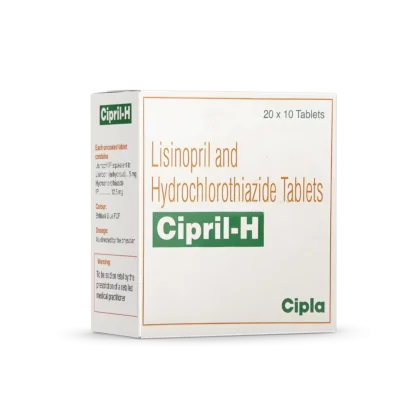
Reduces blood pressure and eases fluid buildup by helping your kidneys remove excess salt and water.
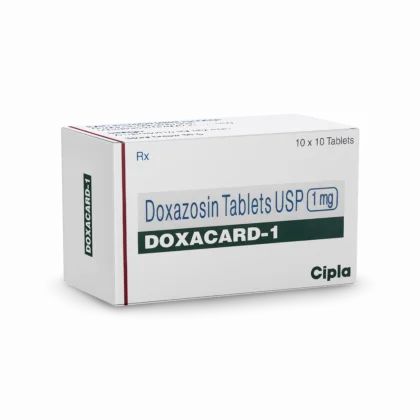
Relaxes smooth muscle in blood vessels and the prostate to improve blood flow and urinary comfort.
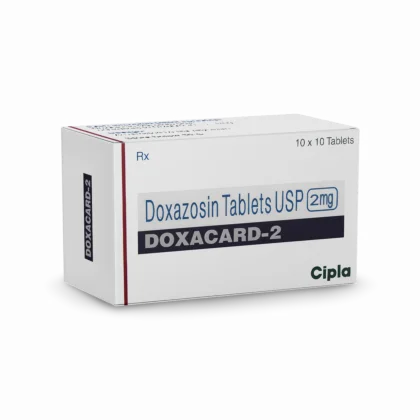
Relaxes blood vessel walls to improve flow and eases muscle tension around the bladder to assist urination.
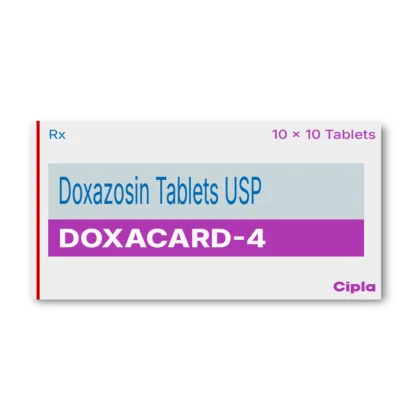
Relaxes smooth muscle tissue in blood vessels and the prostate to improve blood flow and urinary comfort.
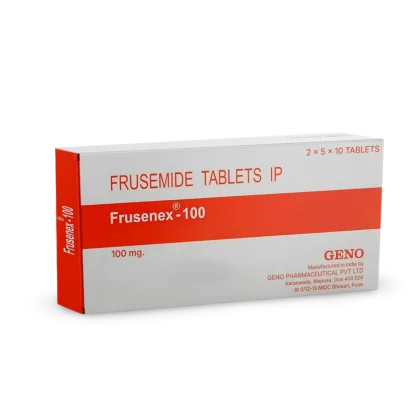
Promotes the elimination of excess water and salt through kidneys to reduce swelling and lower blood pressure.
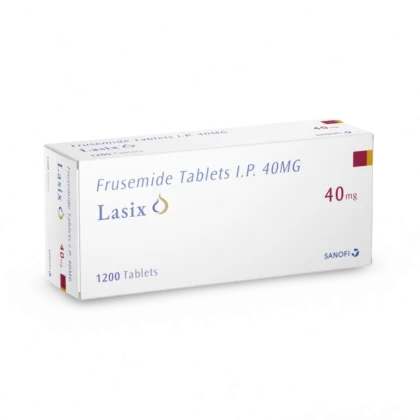
Reduces excess body fluid by helping your kidneys remove extra water and salt through your urine.
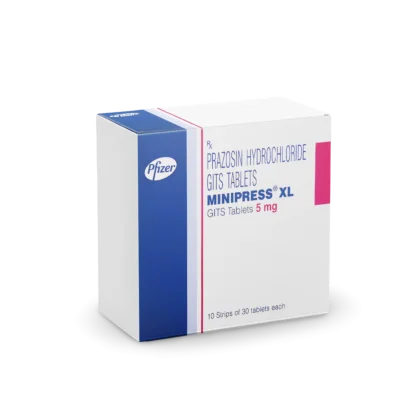
Selectively blocks receptors in blood vessels to encourage relaxation, lowering pressure and improving urinary flow symptoms.

Blocks specific receptors to lower heart rate and relax blood vessels, reducing overall strain on circulation.
Blocks specific receptors to lower blood pressure and decrease the workload on your heart muscle.
High blood pressure is a condition characterized by the long-term force of blood pushing against your artery walls. Over time, this persistent pressure may stress the heart, damage blood vessels, and increase the strain on vital organs, including your kidneys and eyes. Because the condition often develops without noticeable symptoms, it is frequently described as a silent factor in cardiovascular health.
Living with this diagnosis requires constant attention to your daily habits and biological markers. While you may not “feel” the pressure rising, your body experiences the cumulative impact of that force on your circulatory system. Understanding how your heart and vessels function under this pressure is the first step toward working with your provider to maintain long-term balance.
Treatment for high blood pressure centers on lowering the force exerted on arterial walls to reduce the risk of strain on the heart and organs. Clinical approaches typically involve different classes of medicines that work through various pathways. In regions such as the United States, United Kingdom, Australia, and Canada, these treatments are managed under the guidance of healthcare professionals who tailor therapy based on your individual health history.
Common treatment categories include diuretics, which assist your body in removing excess fluid and salt, and calcium channel blockers, which relax blood vessels to improve flow. Other classes like beta-blockers and alpha-blockers modulate the signals your nervous system sends to the heart or blood vessels. By combining these methods, clinicians aim to achieve consistent pressure readings that fall within a healthier, more sustainable range for your specific physiology.
Navigating the available options involves understanding how distinct drug classes support cardiovascular stability. You will encounter several main categories in the catalog, each designed to address the pressure in a unique way:
Diuretics, often called water pills, help your kidneys filter extra sodium and water from your bloodstream. By reducing the volume of fluid in your vessels, these medications make it easier for your blood to circulate without putting excessive pressure on the walls. Vasodilators, by contrast, act directly on the smooth muscles of the artery walls to widen them, allowing blood to flow more freely.
Beta-blockers work by slowing the heart rate and reducing the force of each contraction, which lessens the workload on your heart. Alpha-blockers function differently by preventing specific chemical signals from tightening the muscles around smaller arteries. Each of these agents is chosen based on how your system responds, and providers often look at these differences to refine a regimen that remains consistent for you.
Every individual responds uniquely to cardiovascular medications, and your existing health status is a primary factor in how your body processes these agents. Before starting any treatment, consider how your other health goals and current habits interact with your prescribed regimen.
Different classes of medication carry distinct profiles of potential reactions. Some classes may affect your electrolyte balance, while others could influence your heart rate or energy levels. Keeping a record of how you feel when beginning a treatment helps you and your provider determine if an adjustment is needed to better support your comfort and stability.
Your blood pressure treatment may interact with other supplements, over-the-counter medicines, or food items. Because your kidneys and liver play essential roles in filtering these substances from your blood, mentioning your full medical history—especially any history of renal or hepatic concerns—is necessary for your provider. Product labeling and verified clinical sources remain the correct references for specific contraindications, interactions, and potential reactions.
This page provides an educational overview of high blood pressure and the medication categories listed — not medical advice. Individual products differ in active ingredient, formulation, strength, and directions. The page does not authorize self-directed selection, clinical interpretation, or unsupervised use. Readers should review individual product labeling and speak with a healthcare professional when clinical judgment is needed.