
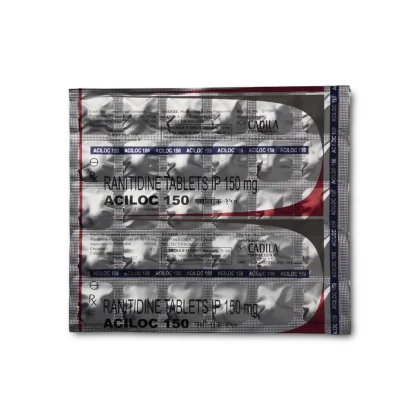
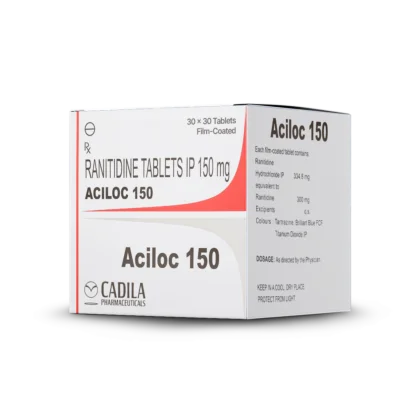
Aciloc 150 mg
Reduces stomach acid production to ease symptoms like heartburn, acid reflux, and internal digestive irritation.
Gastroesophageal reflux disease (GERD) happens when stomach acid frequently travels upward into the esophagus, leading to persistent heartburn, chest discomfort, and burning sensations. Managing these symptoms often requires balancing daily habits with medication. Eight formulations are listed below, covering primary management approaches like proton pump inhibitors (Aciloc, Neksium, Omesec, Omez) and H2 blockers, alongside combination treatments (Razo D).
Reduces stomach acid production to ease symptoms like heartburn, acid reflux, and internal digestive irritation.
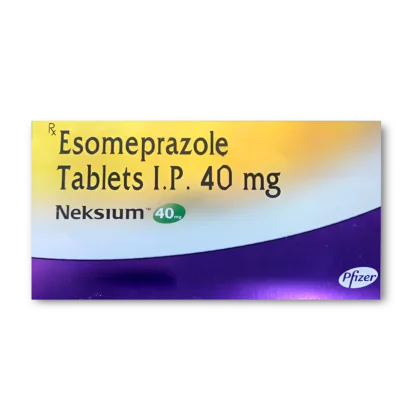
Reduces stomach acid production to ease symptoms of acid reflux and support healing of digestive tissue.
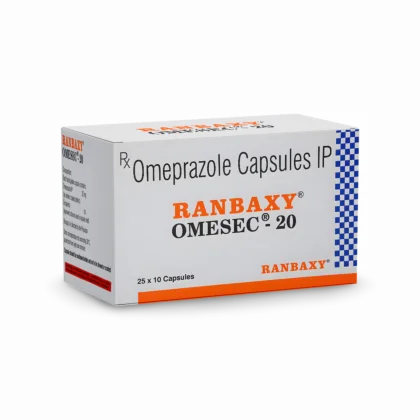
Reduces stomach acid production to provide relief from persistent heartburn and support the healing of ulcers.
Reduces stomach acid production by blocking the enzyme responsible for final acid secretion in the stomach lining.
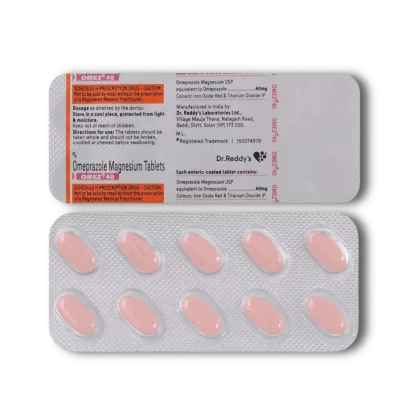
Reduces stomach acid production to relieve symptoms of acid reflux and support healing of gastric tissue.
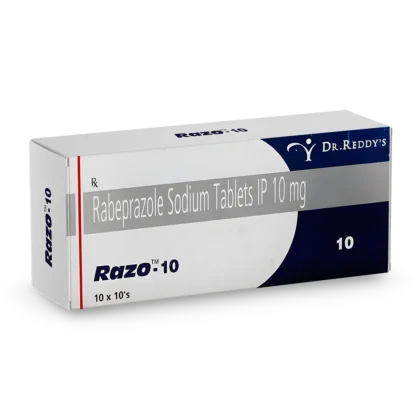
Reduces acid production in your stomach to assist with symptom resolution and healing of delicate digestive tissues.
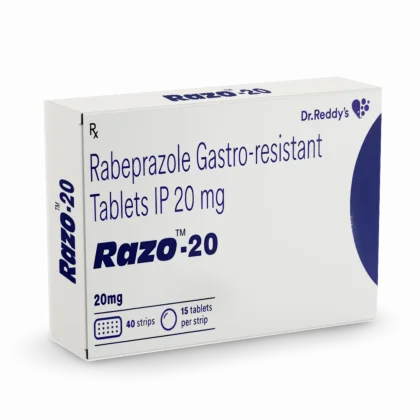
Reduces acid production in the stomach to manage symptoms of acid reflux and support digestive healing.
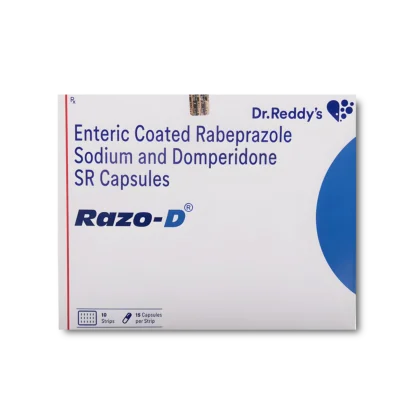
Reduces stomach acid production while accelerating digestive movement to ease persistent heartburn and nausea symptoms.
Living with the constant discomfort of acid reflux can feel overwhelming, especially when it disrupts your sleep, your meals, or your sense of comfort during the day. Most people experience occasional acid reflux, but when this happens more than twice a week and begins to irritate the esophagus lining, it is categorized as GERD. This condition develops when the lower esophageal sphincter—a muscle at the base of the esophagus—weakens or relaxes when it shouldn’t.
Beyond that initial burn, you may notice persistent acid taste in your mouth, difficulty swallowing, or a dry cough. These signs occur because digestive juices are contacting sensitive tissues that are not designed to handle high acidity. Understanding that your body is having an adaptive response to these internal shifts is the first step toward taking control of your daily routine and seeking appropriate guidance.
Treatment for GERD focuses on reducing the total amount of acid in your stomach and protecting the integrity of your esophageal lining. Most approaches involve classes of medication that silence the overproduction of gastric acid. These agents are standard across clinical practices in Canada, the United Kingdom, Australia, and the United States, providing a consistent framework for patients looking to improve their quality of life.
Proton pump inhibitors (PPIs) are frequently utilized to block the final step of acid secretion in the stomach. By lowering the acid levels significantly, these medications allow the inflamed tissues to begin healing. H2 receptor antagonists work differently by blocking the histamine signals that tell your stomach to produce acid, offering another layer of relief that is often sought for milder or intermittent symptoms.
When you review your options, you will notice different ways these medications influence digestive health. The choice often depends on the severity of your symptoms and how your body responds to various chemical classes. Clinicians evaluate these categories to find a balance between immediate relief and long-term symptom management.
Proton pump inhibitors (PPIs) are designed for sustained acid suppression. These are typically taken once daily and provide round-the-clock protection by limiting the internal pump mechanism that releases acid. Their role is to keep the acidity levels low enough to prevent the classic burning sensations that arise after meals or while lying down.
H2 blockers offer a more targeted approach for those who may not require the extended potency of a PPI. These medications generally work more quickly than other options but may have a shorter duration of action. Combination products, such as those pairing a PPI with a prokinetic agent, represent a more integrated approach, aiming to both reduce acid and encourage the stomach to empty more efficiently.
Starting a new medication requires a clear understanding of your current health profile and any underlying digestive issues. These treatments are not intended to mask symptoms of more serious health concerns that may mimic acid reflux. Always confirm that your symptoms correspond to an established diagnosis before beginning a new regimen.
Everyone’s digestive system responds uniquely to acid-suppressing agents. While many people tolerate these medications well, some may experience changes in digestion or mild discomfort when adjusting to a new drug class. Keeping a record of any new symptoms that emerge shortly after starting a treatment is helpful for your healthcare provider to evaluate your progress.
Medications that alter stomach acidity can influence how your body absorbs other nutrients or responds to other medicines. Because these drugs change the internal environment of your digestive tract, they may interact with medications that rely on a specific pH level for proper absorption. Careful review of your current medication list with a professional is essential to avoid potential conflicts. Product labeling and verified clinical sources remain the correct references for specific contraindications, interactions, and potential reactions.
This page provides an educational overview of GERD and the medication categories listed—not medical advice. Individual products differ in active ingredient, formulation, strength, and directions. The page does not authorize self-directed selection, clinical interpretation, or unsupervised use. Readers should review individual product labeling and speak with a healthcare professional when clinical judgment is needed to ensure the chosen treatment aligns with their overall health needs and medical history.