
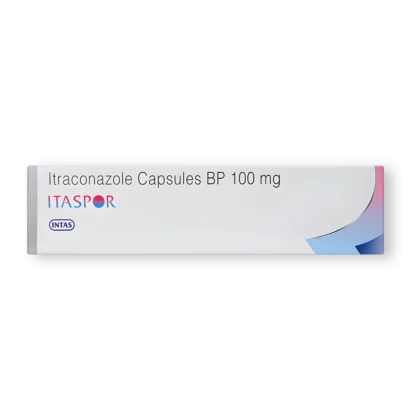
Itaspor 100 mg
Prevents fungal cell membrane production, effectively addressing systemic and localized fungal infections in various tissue types.
Persistent fungal infections often feel overwhelming, affecting your skin, nails, and overall comfort while disrupting your daily routine. Three formulations are listed below, spanning two primary antifungal drug classes: itraconazole (Itaspor) and fluconazole (Nuforce), both of which work by interrupting the cell wall development of fungi to stop the spread of infection.
Prevents fungal cell membrane production, effectively addressing systemic and localized fungal infections in various tissue types.
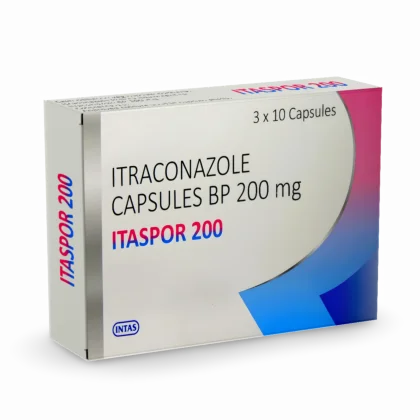
Targets fungal cell membrane production to stop the spread of infection throughout your body tissues.
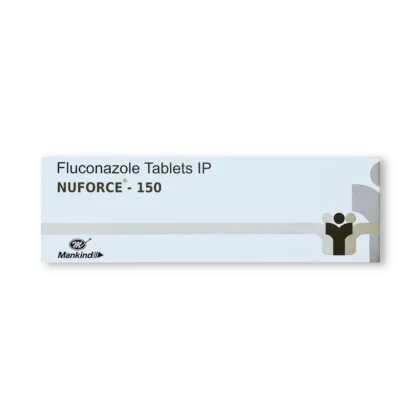
Targets fungal cells by disrupting their membrane synthesis to stop the spread of infection throughout the body.
Fungal infections develop when invading fungal organisms—such as molds or yeasts—overcome your immune system’s defenses. These infections thrive in warm, damp environments, frequently taking hold on the skin between toes, in skin folds, or within the nail beds. Individuals may experience persistent itching, redness, cracking, or discoloration that fluctuates in intensity, often feeling both physically uncomfortable and emotionally taxing.
While superficial infections remain localized, some fungi move deeper into the tissue or reach the bloodstream. Your body’s ability to clear these infections varies depending on your immune status, existing health conditions, and the specific strain of fungus involved. Understanding that these conditions are common and stem from environmental exposure may help shift the perspective from frustration to a focused, clinical approach toward restoration.
Effective treatment targets the specific type of fungus causing the discomfort. The landscape of antifungal care relies on agents that either cease fungal growth or destroy the fungal cells entirely. Healthcare providers often categorize these treatments by their reach—whether they work throughout the body to reach deep tissues or target specific surface areas to clear visible infection.
In many international markets, including the United Kingdom, Australia, and Canada, oral antifungal agents are typically classified as prescription medication. This ensures that their use is monitored, as systemic drugs must be processed by your liver and filtered by your kidneys. Aligning a treatment choice with a formal diagnosis remains the preferred approach to ensure the regimen is appropriate for the severity of the infection.
The medications listed encompass two distinct oral antifungal categories used to address stubborn or recurring conditions. Each acts through a specific chemical pathway, but both focus on preventing the fungus from building the protective walls it needs to survive and multiply.
Itraconazole and fluconazole belong to the “azole” class of drugs. These treatments work by inhibiting a specific enzyme required for the synthesis of ergosterol, a primary component of fungal cell membranes. By depleting this substance, the medication weakens the structure of the fungal cell, causing it to fail and eventually die.
While these medications act systemically, their use depends on the location of the infection. Some patterns of use involve short-term courses for acute issues, such as specific yeast-related concerns, while other conditions—particularly those involving thick nail tissue—require extended, consistent therapy. Choosing between these options involves evaluating the duration of the infection, which is a common point of discussion during a provider consultation.
Oral antifungal therapy requires an assessment of your baseline health, particularly concerning liver and kidney function. Since these medications are processed systemically, it is essential to ensure that your internal organs can handle the metabolic requirements of an extended antifungal course.
Antifungals can lead to varied individual responses, ranging from mild digestive upset to more significant skin reactions. If you notice signs of jaundice, such as yellowing of the skin or eyes, or experience unusual stomach pain, these can indicate potential issues with how your body is processing the medicine. Tolerability is individual, and monitoring these changes is a fundamental part of a treatment plan.
Many common drugs interact with azole antifungals, meaning your provider must review your entire current list of prescriptions and supplements. Some medications can increase or decrease the efficacy of the antifungal, while others might increase the risk of side effects. Product labeling and verified clinical sources remain the correct references for specific contraindications, interactions, and potential reactions.
This page provides an educational overview of fungal infections and the medication categories listed—not medical advice. Individual products differ in active ingredient, formulation, strength, and directions. The page does not authorize self-directed selection, clinical interpretation, or unsupervised use. Readers should review individual product labeling and speak with a healthcare professional when clinical judgment is needed.