
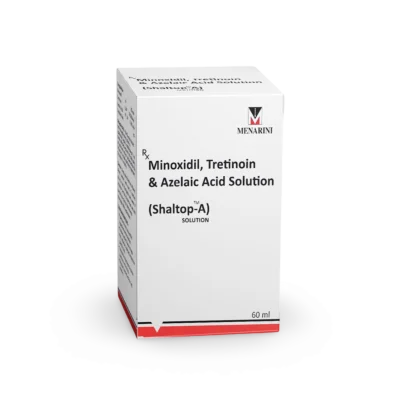
Shaltop A Solution 60 ml
Combining localized stimulation for hair follicles with accelerated cell turnover to clear pores and refine skin texture.
Noticing changes in hair density can be an emotionally difficult experience, often impacting self-confidence as you grapple with the gradual thinning of what once felt full. Female pattern hair loss involves a predictable thinning pattern where follicles shrink over time, making it harder to maintain volume. Two formulations are listed below, both featuring topical minoxidil solutions.
Combining localized stimulation for hair follicles with accelerated cell turnover to clear pores and refine skin texture.
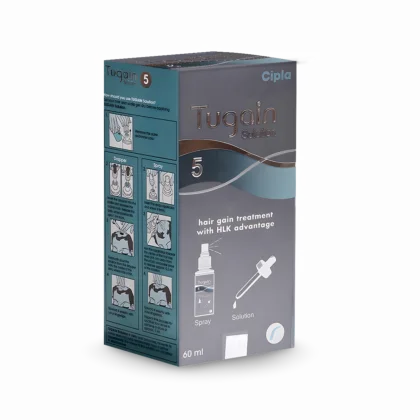
Promotes hair regrowth by increasing blood flow to follicles and extending the active growth phase of hair cycles.
Unlike hair loss triggered by sudden stress or nutritional changes, this condition typically progresses slowly. It usually manifests as a widening of the part line or a noticeable reduction in density across the top and crown of the scalp. While the hairline itself often remains stable, the thinning can feel relentless and deeply personal.
This condition is primarily driven by genetic and hormonal factors that shorten the hair’s growth phase. Over time, hair follicles become smaller, producing finer, shorter hairs that eventually stop visible growth altogether. It is a chronic process, and acknowledging it is the first step toward understanding which approaches might support your hair health.
Managing this form of hair loss usually involves approaches that encourage blood flow and support follicle health. The primary treatment category available is topical vasodilators, most notably minoxidil. These substances work by widening blood vessels in the scalp, which may increase the delivery of oxygen and nutrients to the hair follicles.
Across international markets, these topical solutions are commonly available for home use. They are designed to be applied directly to the affected scalp areas once or twice daily. Consistent, long-term application is typically required to maintain any observed benefits, as the follicles depend on the continued stimulation provided by these agents.
The catalog focuses on topical minoxidil solutions, which are the most recognized non-systemic approach for addressing thinning hair. These products come in varying concentrations—frequently five percent—to suit different preferences and clinical recommendations.
Topical liquids are applied with a dropper or spray nozzle directly onto a dry scalp. Because they act locally, they do not travel through the whole body, which is a significant factor for individuals who prefer to avoid systemic therapies. The effectiveness of these treatments hinges on reaching the follicle directly, which makes proper scalp application essential.
These topical applications are intended for external use only and should not be used if you have broken, irritated, or inflamed skin on your scalp. Understanding your underlying health profile is necessary, as certain cardiovascular conditions may require a provider to clarify whether topical vasodilation is appropriate for you.
While topical solutions are generally well-tolerated, some individuals may experience localized skin reactions. Common signs include mild itching, redness, or dryness at the site of application. If the solution is accidentally applied to the forehead or face, it may occasionally cause temporary unwanted hair growth in those areas, so direct targeting of the scalp is important.
Topical products meant for the scalp generally have a low risk of interacting with oral medications. However, if you are using other skin-applied treatments, wait for the scalp to absorb the solution fully to avoid unpredictable absorption patterns. Product labeling and verified clinical sources remain the correct references for specific contraindications, interactions, and potential reactions.
This page provides an educational overview of female pattern hair loss and the medication categories listed—not medical advice. Individual products differ in active ingredient, formulation, strength, and directions. The page does not authorize self-directed selection, clinical interpretation, or unsupervised use. Readers should review individual product labeling and speak with a healthcare professional when clinical judgment is needed.