

Duprost 0.5 Mg Capsule
Targets the enzyme responsible for prostate growth to ease urinary symptoms and improve bladder function.
Dealing with the symptoms of an enlarged prostate can feel isolating, especially when those frequent trips to the restroom start to dictate your daily routine. Finding the right support is a significant step toward regaining comfort and confidence. Eight formulations are listed below, covering 5-alpha reductase inhibitors containing the active ingredients dutasteride and finasteride.
Targets the enzyme responsible for prostate growth to ease urinary symptoms and improve bladder function.
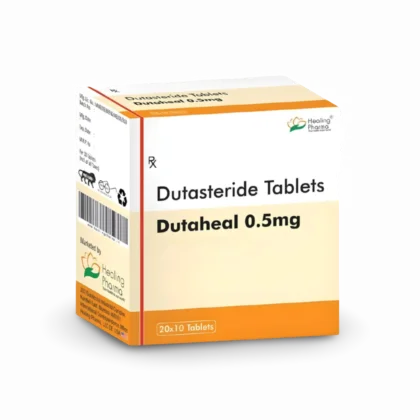
Reduces the conversion of testosterone to dihydrotestosterone to lower inflammation and ease persistent urinary pressure symptoms.
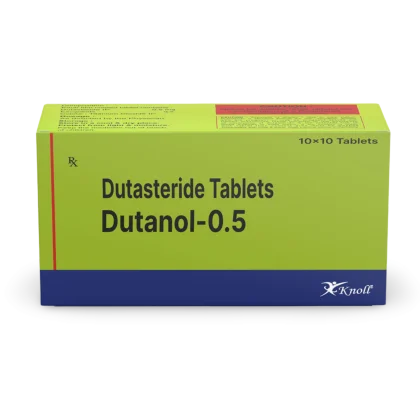
Blocks the enzyme responsible for prostate tissue growth to improve urinary flow and reduce obstructive symptoms.
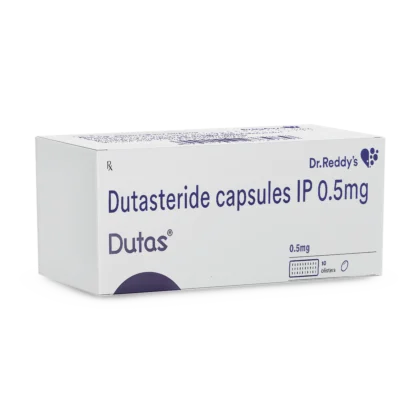
Blocks the enzyme responsible for prostate growth to reduce urinary symptoms and improve bladder voiding.

Blocks the enzyme responsible for converting testosterone into the hormone that causes prostate growth and thinning hair.
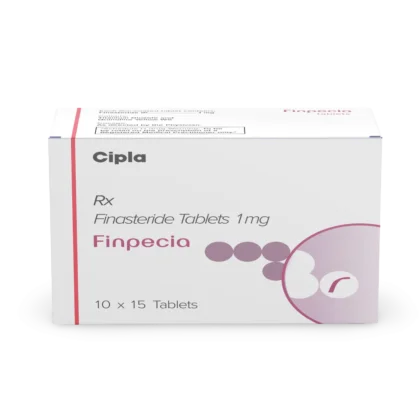
Blocks the hormone responsible for scalp hair follicle shrinkage and prostate enlargement to manage hair loss.

Inhibits the conversion of testosterone into dihydrotestosterone to slow hair thinning and support scalp hair maintenance.

Blocks an enzyme that converts testosterone into a hormone responsible for prostate growth and hair follicle thinning.
Enlarged prostate, medically referred to as benign prostatic hyperplasia (BPH), involves the gradual growth of the prostate gland in men as they age. Because the prostate surrounds the urethra—the tube that carries urine from the bladder—its enlargement can constrict this passage. This change often leads to a variety of urinary challenges that can become increasingly disruptive.
Common experiences include a weak or interrupted urine stream, a frequent and urgent need to urinate, and the feeling that your bladder is not completely empty after finishing. Many men also find their sleep interrupted by multiple nighttime trips to the bathroom. These symptoms often develop slowly, yet they hold the potential to impact your overall quality of life and sense of well-being significantly.
Management of an enlarged prostate centers on relieving urinary obstruction and reducing symptoms. Pharmacological approaches frequently utilize 5-alpha reductase inhibitors, which work to shrink the prostate by blocking the conversion of testosterone into a hormone that stimulates prostate growth. This process can take several months to reach full effect.
Treatment landscapes across the United States, United Kingdom, Australia, and Canada often involve these medications as a primary way to ease symptoms and prevent further enlargement. While some patients find sufficient relief with these inhibitors alone, others may use them in combination with alpha-blockers, which work differently by relaxing the muscles around the bladder neck and prostate to improve urine flow. Clinical decisions depend on the severity of symptoms and your personal health history.
The primary medications for managing an enlarged prostate often target the hormonal drivers of glandular growth. Understanding the distinction between available forms can assist in your research before speaking with a healthcare provider.
This class includes components such as dutasteride and finasteride. These medications function by addressing the underlying hormonal cause of prostate enlargement. They are typically taken as daily oral tablets or capsules. Because they work on the prostate’s physical size, their benefits are often realized gradually over weeks or months of consistent use.
Availability in multiple strengths allows for adjustments based on the severity of symptoms and clinical guidance. Common formulations include specialized capsules and tablets designed for daily oral intake. Researching these formats involves identifying the specific active ingredient your provider has discussed, as the choice between dutasteride and finasteride depends on your specific clinical profile, responsiveness to treatment, and other ongoing health considerations.
A comprehensive evaluation is essential before beginning any medication to rule out other causes of urinary symptoms, such as prostate cancer or infection. Your healthcare professional must confirm your diagnosis to ensure that 5-alpha reductase inhibitors are the appropriate choice for your specific clinical needs.
As with any long-term therapy, these medications may be associated with various reactions. Some men may notice changes in sexual desire or function, while others may experience temporary tenderness. If changes occur or persist, they should be discussed with a provider promptly to evaluate the management plan.
Your overall health and other concurrent medications play a significant role in how you respond to prostate treatment. Potential interactions with other drugs, especially those affecting hormonal balance or other urinary conditions, require careful professional review. Product labeling and verified clinical sources remain the correct references for specific contraindications, interactions, and potential reactions.
This page provides an educational overview of an enlarged prostate and the medication categories listed — not medical advice. Individual products differ in active ingredient, formulation, strength, and directions. The page does not authorize self-directed selection, clinical interpretation, or unsupervised use. Readers should review individual product labeling and speak with a healthcare professional when clinical judgment is needed.