

Danogen 200 Mg
Suppresses specific reproductive hormones to reduce the growth of endometrial tissue and manage recurring inflammatory conditions.
Living with endometriosis often means navigating persistent pelvic pain and the uncertainty of finding effective relief. Hormonal management remains a central approach for regulating the cycle-dependent growth of this misplaced tissue. Two distinct pharmacological options are listed below, including synthetic derivatives of testosterone (Danogen) and gonadotropin-releasing hormone agonists (Lucrin Depot).
Suppresses specific reproductive hormones to reduce the growth of endometrial tissue and manage recurring inflammatory conditions.
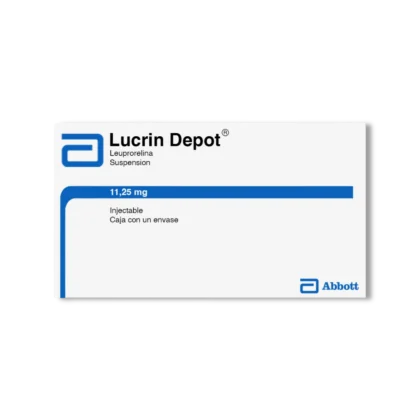
Suppresses sex hormone production to slow the growth of hormone-sensitive cells in the body.
Endometriosis occurs when cells resembling the lining of your uterus grow in areas where they do not belong, such as the ovaries, fallopian tubes, or pelvic lining. Because this tissue responds to your monthly hormonal cycle, it builds up and breaks down, but has no way to exit your body. This process triggers chronic inflammation, formation of scar tissue, and significant discomfort.
The impact of this condition extends far beyond simple pelvic pain. Many individuals experience intense cramping during menstruation, pain during intercourse, and persistent fatigue that disrupts daily life. The severity of symptoms often does not correlate with the amount of tissue present, making it a highly individual experience that requires patience and consistent communication with your healthcare team.
Treatment generally focuses on managing pain and slowing the progression of tissue growth by suppressing the hormones that fuel the condition. Since the ovaries produce the estrogen that encourages this tissue to thrive, many medical approaches work by creating a temporary, controlled hormonal environment that reduces or pauses the cycle.
These approaches are common across the United States, United Kingdom, Australia, and various other international markets. Because treatments often involve systemic hormonal changes, your provider will select a regimen based on your symptom severity, treatment goals, and overall personal health markers. The primary goal is to provide relief from pain while minimizing the physiological impacts associated with hormonal suppression.
Understanding how different drug classes function can help you better parse the information provided by your specialist. Medications for this condition generally fall into two categories:
These agents, such as danazol, work by mimicking the effects of testosterone. By shifting your hormonal balance, they suppress the production of estrogen and progesterone, effectively halting the monthly cycle that causes the endometrial-like tissue to thicken and bleed. This creates a state of low estrogen, which often helps reduce the size of lesions and eases associated pelvic pain.
Gonadotropin-releasing hormone (GnRH) agonists function by stimulating the pituitary gland initially, followed by a rapid downregulation of hormone production. This leads to a state often described as medically induced menopause. By significantly lowering estrogen levels, these injections prevent the hormonal triggers that cause the misplaced tissue to activate, providing a powerful tool for managing symptoms when other options are insufficient.
Starting a hormone-modifying regimen requires a thorough assessment of your bone density, cardiovascular history, and liver function. Because these medications alter your natural hormonal state, your physician must determine if these treatments are suitable for your specific physical constitution.
Hormonal suppressive therapies often lead to temporary symptoms related to lowered estrogen levels, such as hot flashes, mood fluctuations, or skin changes. These reactions are common as your body adjusts to the new hormonal balance. Close monitoring is necessary to distinguish expected adjustments from concerns that require medical review.
Many of these therapies can interact with other prescriptions or underlying health conditions. Factors such as a history of liver disease, blood clotting disorders, or undiagnosed breakthrough bleeding must be addressed before initiating treatment. Product labeling and verified clinical sources remain the correct references for specific contraindications, interactions, and potential reactions.
This page provides an educational overview of Endometriosis and the medication categories listed — not medical advice. Individual products differ in active ingredient, formulation, strength, and directions. The page does not authorize self-directed selection, clinical interpretation, or unsupervised use. Readers should review individual product labeling and speak with a healthcare professional when clinical judgment is needed.