
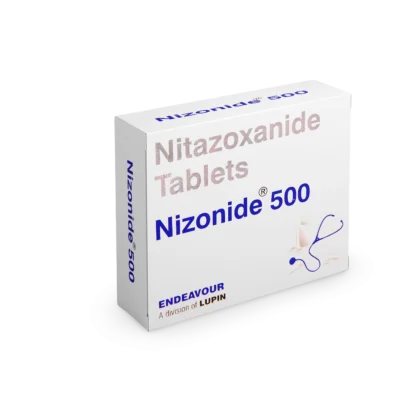
Nizonide 500 mg
A synthetic antiparasitic agent that disrupts energy metabolism to eliminate specific protozoan and helminthic infections within the gut.
Living with the sudden and unpredictable nature of parasitic diarrhea can feel overwhelming, especially when it disrupts your daily life and leaves you feeling drained. Understanding that your symptoms likely stem from a microscopic invader rather than common digestive issues is the first step toward finding relief. One formulation is listed below, utilizing the antiprotozoal medication nitazoxanide to address the infection.
A synthetic antiparasitic agent that disrupts energy metabolism to eliminate specific protozoan and helminthic infections within the gut.
Parasitic diarrhea occurs when microscopic organisms, such as Giardia or Cryptosporidium, colonize the intestines after being ingested through contaminated food or water. These organisms trigger an immune response in your digestive lining, resulting in loose, frequent stools that often last longer than a typical case of stomach flu. Unlike viral or bacterial causes, parasitic infections do not usually resolve on their own without specific medical intervention.
Beyond frequent trips to the bathroom, this condition often presents with abdominal bloating, nausea, and persistent fatigue caused by the disruption in your body’s ability to absorb vital nutrients. Because the symptoms mimic many other gastrointestinal issues, identifying the root cause through professional testing is essential. This ensures that you receive the specific treatment needed to clear the infection rather than simply masking the symptoms.
Managing an intestinal parasitic infection requires the use of antiprotozoal medications that target the specific organism responsible for your symptoms. These treatments are designed to interfere with the metabolic processes of the parasite, preventing it from reproducing and allowing your digestive system to return to its natural state. Because these medicines are generally potent, they are typically provided through healthcare providers once a diagnosis is confirmed.
Treatment access patterns vary significantly across international markets, including current providers in the United States, United Kingdom, Australia, and Canada. In these regions, antiprotozoals are strictly regulated to ensure they are used for confirmed infections. Depending on your local health guidelines, a prescription is generally required, and completing the full course of treatment is mandatory to ensure the parasite is thoroughly eradicated from your system.
The primary approach to treating parasitic diarrhea involves pharmaceutical agents that belong to the nitrothiazolyl-salicylamide class. These medications serve a singular focus: disrupting the parasite’s energy production. By targeting this mechanism, the medication effectively weakens the organism, enabling your immune system to clear the remainder of the infection.
Most treatments for this condition are provided in oral tablet forms. The duration of the regimen is brief compared to other long-term medications, but adherence is essential to avoid recurrence. Because parasites can survive in dormant forms if treatment is halted early, consistency remains the most critical aspect of the recovery process. This class of medication is not used for viral or non-specific digestive upset, making accurate diagnosis the gateway to effective care.
Before initiating any antiprotozoal therapy, you must share your full medical history with your healthcare provider, particularly focusing on any liver or kidney history. Some individuals may experience mild gastrointestinal upset while the medication is working to eliminate the parasite, which could temporarily mimic the symptoms you are trying to resolve.
While these treatments are targeted, people react differently to pharmaceutical interventions. Common feedback includes temporary changes in urine color or mild headaches, which are often expected during the course of treatment. If you notice signs of a reaction, such as skin rashes or difficulty breathing, you must seek medical attention immediately, as these may signal an unexpected sensitivity.
Multiple medications can interact with antiprotozoals, ranging from common blood thinners to other digestive treatments. It is essential to provide a complete list of all supplements, prescription drugs, and over-the-counter agents you currently use to avoid potential complications. Product labeling and verified clinical sources remain the correct references for specific contraindications, interactions, and potential reactions.
Antiprotozoal : A class of medication specifically designed to kill or inhibit the growth of microscopic parasites.
Protozoa : Single-celled organisms that can inhabit the human intestine and cause severe digestive distress.
Diagnosis : The process of identifying the specific type of parasite via stool testing, which is required before choosing a medication.
This page provides an educational overview of parasitic diarrhea and the medication categories listed — not medical advice. Individual products differ in active ingredient, formulation, strength, and directions. The page does not authorize self-directed selection, clinical interpretation, or unsupervised use. Readers should review individual product labeling and speak with a healthcare professional when clinical judgment is needed.