
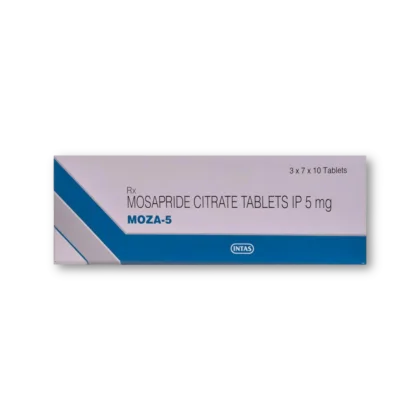
Moza 5 mg
Supports normal digestive motility by stimulating receptors in the gut wall to improve stomach emptying.
Living with delayed stomach emptying, or gastroparesis, often means navigating daily discomfort and the frustration of unpredictable digestive patterns. This condition affects how efficiently your stomach empties its contents into the small intestine. One formulation is listed below, featuring a gastroprokinetic agent—a type of medicine used to encourage normal movement throughout the digestive tract.
Supports normal digestive motility by stimulating receptors in the gut wall to improve stomach emptying.
Delayed stomach emptying occurs when the muscles in the wall of your stomach do not function with the necessary strength or coordination to push food forward. This is not just a temporary digestive upset; it represents a functional change where the stomach takes significantly longer than normal to empty into the small intestine. You might experience persistent discomfort, bloating, and a feeling of fullness even after eating small amounts of food.
Many people find that this condition cycles through periods of varying intensity. Because the stomach is struggling to process contents, individuals often deal with recurring nausea, intermittent vomiting, or significant weight changes due to an inability to maintain consistent nutritional intake. It is a condition that requires patience and a steady hand in management, as your digestive system needs extra support to maintain a regular rhythm.
The primary treatment approach for delayed stomach emptying focuses on gastroprokinetic agents. These medications serve a specific purpose: they act on the nerves and muscle receptors in your gastrointestinal tract to stimulate the rhythmic contractions necessary for moving food through the system. By encouraging this motility, these medicines work to reduce the stagnation that causes your symptoms.
Treatment landscapes vary across international markets, as regulatory bodies in regions like Europe, North America, and Asia oversee access to motility agents differently. In some cases, these medications are used alongside structured dietary changes—such as eating smaller, more frequent meals or choosing specific food textures that are easier for the stomach to process. You and your provider typically monitor how well your digestive speed improves, adjusting the approach over time based on your specific comfort levels and symptom frequency.
Medications for this condition are categorized primarily by their ability to stimulate digestive motion without causing excessive unwanted effects elsewhere in the body. The most common class consists of prokinetic agents, which are specifically formulated to address the mechanical aspects of your digestion. These are not intended to change the chemical composition of your stomach acid, but rather to improve the physical transport of food.
When you research these options, you will notice differences in how these agents interact with your nervous system. Some focus on serotonin receptors, while others interact with dopamine pathways to stop the signals that tell your stomach to stay inactive. Understanding which mechanism your medication utilizes helps you communicate more effectively with your provider about how your body is responding to the treatment.
It is essential to consider your full health profile before adding a prokinetic medication to your routine. These medicines influence the entire digestive process, and your provider needs to rule out any physical blockages or structural issues in the stomach that could make stimulant medications inappropriate. A clear understanding of your current digestive function ensures that you are treating the root of the motility issue rather than just the symptoms.
Stimulating the digestive tract can sometimes result in physical transitions that you might feel throughout your body. Because these medicines change the speed at which your system moves, you may experience changes in bowel habits or temporary discomfort as your stomach adjusts to the new motility rhythm. Pay close attention to how your body reacts during the first several days of a new routine, as this adjustment period is a common part of the process.
Medications that affect stomach motility can interact with substances that slow down the digestive system or influence heart rhythm. If you take other medicines for heartburn, depression, or specific cardiac conditions, these can change how effectively a prokinetic agent works. Product labeling and verified clinical sources remain the correct references for specific contraindications, interactions, and potential reactions.
This page provides an educational overview of delayed stomach emptying and the medication categories listed — not medical advice. Individual products differ in active ingredient, formulation, strength, and directions. The page does not authorize self-directed selection, clinical interpretation, or unsupervised use. Readers should review individual product labeling and speak with a healthcare professional when clinical judgment is needed.