
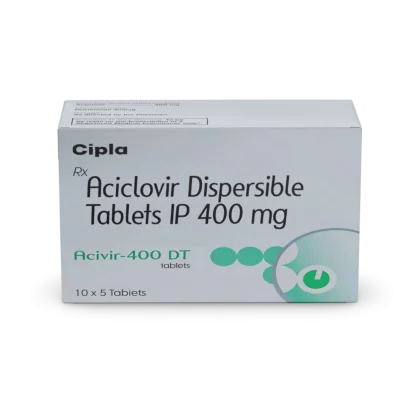
Acivir 400 mg
Targets viral DNA replication to stop the spread of infection and ease the duration of outbreaks.
Dealing with cold sores can be uncomfortable and frustrating, especially when these sensitive outbreaks appear unexpectedly. You are not alone in managing the stinging or tingling sensations that often precede a flare-up. Eight formulations are listed below, covering primary antiviral medication classes such as oral tablets and topical creams containing acyclovir and valacyclovir.
Targets viral DNA replication to stop the spread of infection and ease the duration of outbreaks.
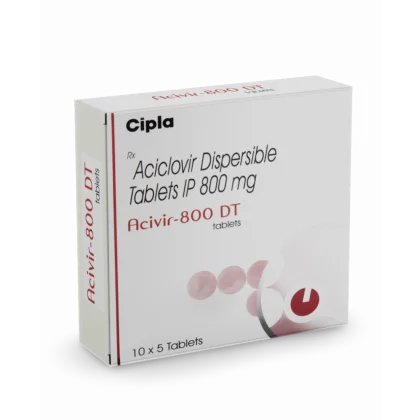
Interrupts viral replication to manage outbreaks and lower the duration of viral skin conditions effectively.
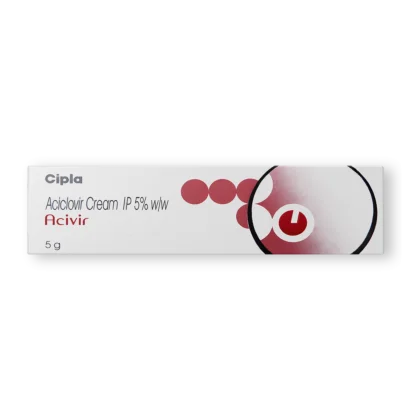
Slows viral replication to reduce the severity and duration of recurrent herpes simplex outbreaks on skin.
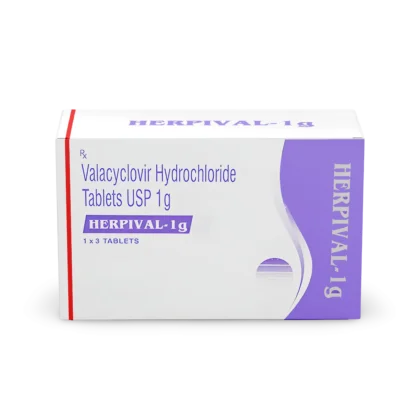
Blocks viral replication by interfering with DNA synthesis, helping to reduce the duration of viral outbreaks.
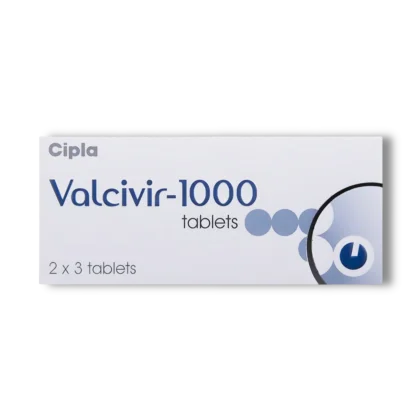
Interferes with viral DNA replication to slow the progression of common herpes virus infections.
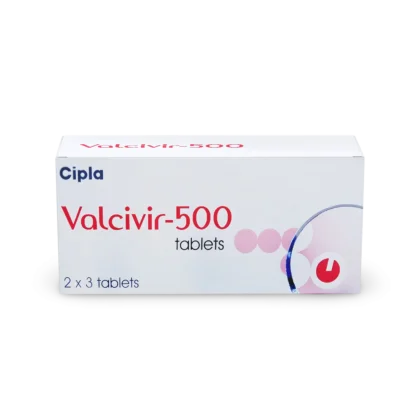
Blocks viral DNA replication to stop the spread of infection during outbreaks of cold sores or herpes.
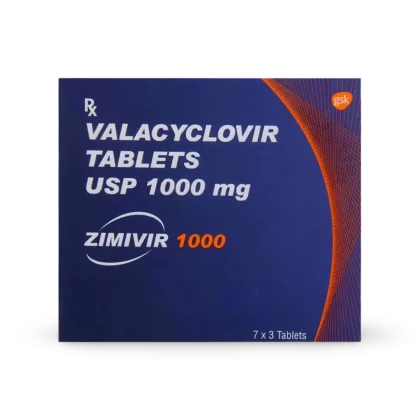
Reduces the duration of viral outbreaks by inhibiting the production of new viral DNA within infected cells.
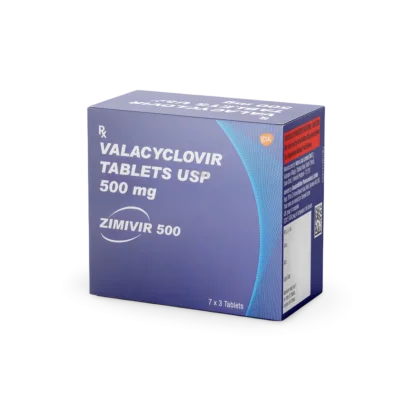
Blocks viral DNA replication to stop the spread of infection and reduce the duration of symptoms.
Cold sores, also known as fever blisters, are small, fluid-filled lesions caused by the herpes simplex virus. Once the initial virus is contracted, it remains in the body, lying dormant within nerve cells. Stress, sunlight, fatigue, or immune system changes can trigger the virus to travel back to the surface of the skin, resulting in a visible blister.
These outbreaks often follow a predictable pattern: a tingling or itching sensation at the site, followed by the appearance of small, painful blisters that eventually crust over. While they commonly appear on or around the lips, they can sometimes develop inside the mouth or near the nose. Because these lesions are sensitive, finding a routine that eases the recovery process is standard when addressing a flare-up.
Treatment for cold sores focuses on managing the viral replication that occurs during an active outbreak. By addressing the virus directly, these medications may help shorten the time the sore remains visible and reduce the intensity of symptoms. The landscape of available treatments mainly involves antiviral agents that inhibit the virus’s ability to multiply.
Antiviral medications for cold sores fall into two primary delivery categories: topical and oral. Topical antivirals are applied directly to the site of the blister, while oral antivirals work internally to address the systemic presence of the virus. These treatments are standard for managing recurrent episodes and are widely available through online pharmacy directories in the United States, United Kingdom, Australia, and Canada, typically requiring authorization from a healthcare professional.
Understanding the differences between antiviral forms can help you have a more informed discussion with your provider. Each class of medication serves a specific purpose in supporting your body during a viral flare-up.
Oral formulations, such as those containing valacyclovir or acyclovir, work internally by entering the bloodstream. These are often used to address the virus during the earliest stages of an outbreak. By delivering the medication throughout the system, these tablets may assist in preventing the virus from spreading further and can shorten the duration of the physical lesion.
Topical creams are formulated for direct application to the skin where the blister has formed. These agents focus on reducing the viral activity strictly at the surface level. Many people prefer creams for their localized effect, although they must be applied consistently according to the specific guidance provided by your clinician to remain effective.
It is essential to verify that your symptoms are indeed cold sores rather than other types of mouth lesions or allergic reactions. Tell your provider about any history of kidney or liver conditions, as these organs are involved in how the body processes oral antiviral medications. Inform them if you are pregnant, nursing, or planning to become pregnant.
Topical creams are generally well-tolerated but may cause mild stinging, itching, or dryness at the point of application. Oral antivirals are typically processed by the body efficiently, though some people may experience mild headaches or digestive discomfort. If you experience unexpected skin irritation or signs of a serious allergic reaction, contact a healthcare professional immediately.
Certain oral medications can interact with other drugs that affect kidney function. It is important to disclose all medications, supplements, and herbal products you are currently taking to your provider. Product labeling and verified clinical sources remain the correct references for specific contraindications, interactions, and potential reactions.
Acyclovir : An antiviral medication used to stop the herpes simplex virus from multiplying in the body.
Valacyclovir : A specialized antiviral medicine that is converted by the body into acyclovir, often used for more consistent absorption.
Viral Shedding : The process during which the virus is released from the skin, representing the period when an outbreak is most active.
This page provides an educational overview of cold sores and the medication categories listed — not medical advice. Individual products differ in active ingredient, formulation, strength, and directions. The page does not authorize self-directed selection, clinical interpretation, or unsupervised use. Readers should review individual product labeling and speak with a healthcare professional when clinical judgment is needed to manage a viral infection or a recurring skin condition.