
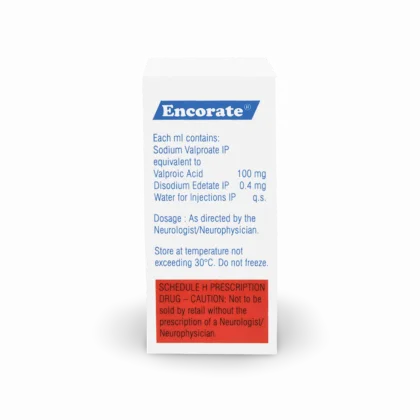
Encorate 100 Mg Injection
Regulates electrical nerve activity in the brain to stabilize mood and manage seizure thresholds effectively.
Living with bipolar disorder involves navigating complex shifts in mood, energy, and perspective that can feel overwhelming. These variations in emotional stability often require consistent clinical support and medication management to find greater balance. Three formulations are listed below, covering primary mood stabilizers including valproate injection and extended-release carbamazepine tablets.
Regulates electrical nerve activity in the brain to stabilize mood and manage seizure thresholds effectively.

Stabilizes electrical activity in the brain to reduce seizure frequency and manage nerve-related pain signals.

Stabilizes electrical activity in the brain to reduce the frequency of seizures and manage nerve-related pain.
Bipolar disorder is a mental health condition characterized by significant, often disruptive swings in mood. These shifts range from emotional highs, known as mania or hypomania, to intense lows associated with depressive episodes. Recognizing these patterns is often the first step toward seeking the appropriate clinical support needed to manage symptoms and regain stability.
For many, the experience involves more than just mood fluctuation. It often affects sleep, physical energy, and the ability to process daily stressors. Because the condition manifests uniquely in every individual, professional assessment remains the primary way to determine how specific symptoms impact your life and to decide what approach to treatment may be appropriate.
Treatment for bipolar disorder typically focuses on mood stabilization to reduce the frequency and intensity of emotional shifts. Physicians often prescribe medications that work to modulate brain activity, helping to maintain a more consistent emotional baseline. These treatments are essential tools in a comprehensive care plan, which frequently integrates psychological support with pharmaceutical management.
In major medical markets across the globe, medications for bipolar disorder are strictly prescription-only. Accessing these treatments requires a thorough evaluation from a specialist, such as a psychiatrist, who can account for your overall health history. Medications are rarely used in isolation; they are most effective when combined with lifestyle support and consistent monitoring to ensure the chosen approach remains effective and well-tolerated.
The primary medications for bipolar disorder fall into categories designed to regulate mood and prevent severe episodes. These treatments are distinct from medications used for general depression, as they specifically target the cycling nature of bipolar symptoms. Understanding the nature of your prescribed medication can help you communicate more effectively during your check-ups.
Mood stabilizers are the cornerstone of treatment for many people with bipolar disorder. These medicines work by calming nerve activity in the brain, which can help prevent the onset of manic or hypomanic states. Some act as anticonvulsants—originally used for seizures—which have been found to effectively dampen the intensity of mood cycling in individuals with bipolar conditions.
Medications come in various delivery formats to suit different clinical needs. Injections are sometimes utilized in acute settings for rapid response, while extended-release tablets are designed to provide consistent levels of the medication in your system over a longer period. Choosing between these formats depends on the specific goals of your treatment plan, such as stabilizing acute symptoms versus maintaining long-term emotional balance.
Starting a new medication requires a clear understanding of your physical health, particularly regarding liver and kidney function. Since mood stabilizers are often processed through these organs, your provider will likely request baseline testing to monitor how your body handles the medicine. Being transparent about your complete health history helps identify potential reasons to adjust or choose alternative treatment paths.
Every brain and body reacts differently to mood-regulating agents. You may experience adjustments in energy levels or sedation when first beginning a new prescription. These responses are common as your system adapts to the medication, but they should always be discussed with a provider to ensure they do not interfere with your ability to function or signify a need for dosage refinement.
Mood stabilizers can interact significantly with other drugs, including over-the-counter supplements, hormonal birth control, and other psychiatric medications. It is essential to maintain a complete list of everything you take to avoid adverse compounding effects. Product labeling and verified clinical sources remain the correct references for specific contraindications, interactions, and potential reactions.
This page provides an educational overview of bipolar disorder and the medication categories listed—not medical advice. Individual products differ in active ingredient, formulation, strength, and directions. This page does not authorize self-directed selection, clinical interpretation, or unsupervised use. Readers should review individual product labeling and speak with a healthcare professional when clinical judgment is needed to ensure the choices made align with safe and effective personal care.