
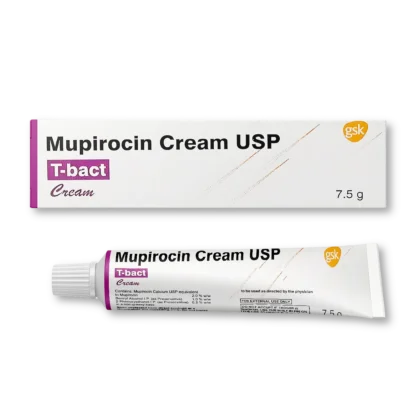
T Bact 7.5 gm Cream
Inhibits bacterial protein synthesis to clear localized skin infections and stop the spread of harmful bacteria.
Dealing with an unwelcome skin infection can be physically draining and uncomfortable, often disrupting your daily routine. Finding a reliable way to support your skin’s healing process is a priority when symptoms like tenderness and irritation persist. One formulation is listed below, specifically containing mupirocin, an antibiotic-class medicine used for topical treatment.
Inhibits bacterial protein synthesis to clear localized skin infections and stop the spread of harmful bacteria.
Bacterial skin infections occur when common bacteria find a way past the outer layers of your skin and begin to reproduce in the underlying tissue. This process often starts with a minor break in the skin, such as a scratch, scrape, or insect bite, though it can also arise from pre-existing conditions like eczema or skin folds where moisture collects. Once the bacteria settle, your body reacts with classic signs of inflammation, including redness, localized heat, swelling, and sometimes the formation of blisters or pus.
These infections vary significantly in depth and severity. While some remain confined to the surface layers, others may spread to deeper tissues or hair follicles, requiring focused attention to bring the skin back to health. Recognizing that your skin is struggling to contain this overgrowth—and seeking appropriate support—is the essential first step in regaining your comfort and physical well-being.
Treatment approaches focus on eliminating the bacterial overgrowth while soothing the affected area to allow the skin’s natural barrier to repair itself. Depending on the depth and extent of the infection, healthcare providers typically choose between topical applications and oral medication. Topical antibiotics remain a primary tool for localized infections, providing a direct-acting method to reduce the bacterial population right where symptoms are most prominent.
In regulated markets across different global regions, topical formulations are frequently available to manage superficial concerns effectively. Oral antibiotics are reserved for broader or deeper infections that require systematic treatment working throughout the body. By applying consistent, targeted care, you address the root cause of the discomfort rather than masking the symptoms, helping the skin return to its healthy state.
Topical antibiotics work by inhibiting the synthesis of proteins that bacteria need to grow and multiply. By preventing this process, the medication stops the spread of the infection within the skin layers. These topical treatments are designed to remain on the skin surface, ensuring the concentration of the medicine is high at the site of the infection, which is vital for clearing rashes and local pustules.
These formulations typically come in creams or ointments, each varying in how they interact with the skin’s moisture levels. Creams are often preferred for their easy absorption and non-greasy feel, making them suitable for widespread surface areas. Understanding these distinctions helps when you are coordinating with a professional to choose the most effective approach for your specific skin type and infection, ensuring the support aligns with the scale of the issue.
Applying any new medication to compromised skin requires caution. Ensure the affected area is cleaned and dried before application to minimize the risk of irritation. If you have a history of allergies to specific antibiotics, clarify this with a provider before beginning any treatment to avoid adverse skin reactions.
Even localized treatments can sometimes lead to mild redness, itching, or a stinging sensation upon application. Most people tolerate topical antibiotics well, but it is important to monitor the area for signs of worsening infection, such as increased warmth spreading from the site or systemic symptoms like fever. Should you notice these changes, seek professional guidance to adjust your course of care.
While topical treatments carry a lower risk of interacting with other medications compared to systemic oral options, always consider the impact on any existing dermal conditions. Using other skin products or creams concurrently may dilute or interfere with the effectiveness of the antibiotic. Product labeling and verified clinical sources remain the correct references for specific contraindications, interactions, and potential reactions.
This page provides an educational overview of bacterial skin infections and the medication categories listed — not medical advice. Individual products differ in active ingredient, formulation, strength, and directions. The page does not authorize self-directed selection, clinical interpretation, or unsupervised use. Readers should review individual product labeling and speak with a healthcare professional when clinical judgment is needed.