
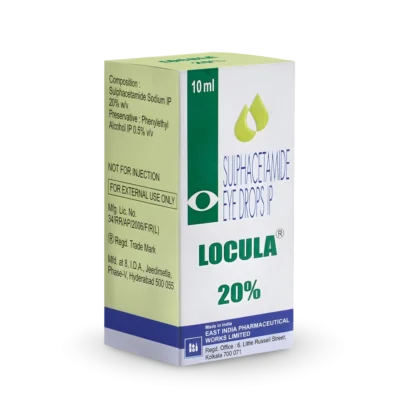
Locula 20% 10 ml
Targets bacterial growth directly in the eye to interrupt infection cycles and support your natural recovery.
Living with a bacterial eye infection can be exhausting, often causing persistent irritation, redness, and discharge that disrupts your daily routine. Finding the right support begins with understanding the treatment options for these condition-specific symptoms. Four formulations are listed below, covering antibiotic-class eye drops including ofloxacin, moxifloxacin, and sulfacetamide sodium.
Targets bacterial growth directly in the eye to interrupt infection cycles and support your natural recovery.
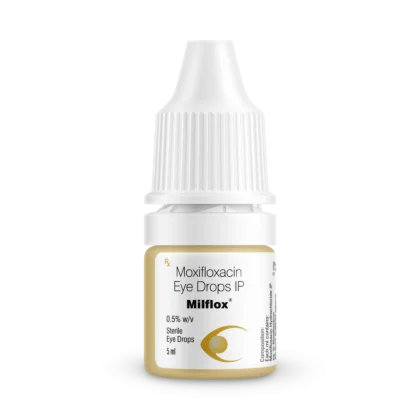
Eliminates bacteria by inhibiting essential enzymes needed for DNA replication and repair within infectious cells.
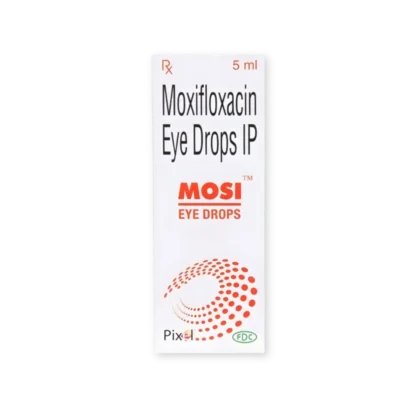
Combats bacterial infections by blocking essential enzymes required for microbial DNA replication and repair within cells.
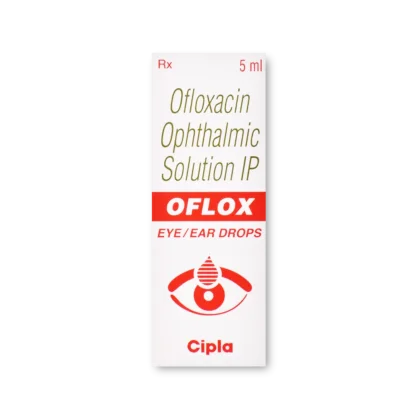
Targets common bacterial eye pathogens by disrupting their DNA replication, stopping the infection from spreading further.
Bacterial eye infections occur when harmful bacteria, such as Staphylococcus aureus or Streptococcus pneumoniae, enter the ocular surface and begin to multiply. Unlike viral infections, which often resolve on their own, bacterial episodes frequently result in thick, yellow, or green discharge, significant crusting of the eyelids upon waking, and persistent redness. These infections can affect the conjunctiva, the clear membrane covering the white part of the eye, or the cornea if the infection reaches deeper tissues.
These infections often feel uncomfortable, presenting as a gritty or burning sensation that makes it difficult to keep your eyes open. Sensitivity to light and blurred vision sometimes accompany the discharge, which may cause your eyelids to stick together. Prompt identification of these symptoms is essential, as the eye is a delicate organ and improper management can lead to localized inflammation that requires professional care to resolve.
Managing bacterial presence in the eye involves the use of topical antibiotics applied directly to the affected area. These medications function by either killing the bacteria, known as bactericidal action, or inhibiting their ability to multiply and spread, known as bacteriostatic action. Choosing the right formulation typically centers on the specific type of bacteria suspected and the patient’s clinical history.
Across international markets, these treatments are classified as prescription-only to ensure that a provider can verify the infection type. While ophthalmic antibiotics are highly effective at clearing bacterial growth, they do not address viral or allergic conditions, highlighting the need for accurate clinical assessment. Adherence to a prescribed schedule is often required to ensure that the medication effectively reaches the required concentration levels throughout the treatment period.
The catalog features several distinct approaches to addressing bacterial ocular growth. Identifying the right formulation depends heavily on the specific antibiotic class and the concentration needed to provide effective coverage without causing unnecessary ocular dryness or irritation.
These formulations contain agents such as ofloxacin and moxifloxacin, which are fluoroquinolone-class antibiotics. They effectively penetrate ocular tissues to stop bacterial replication at the source. Because they are designed for local application, they limit the concentration of medicine to the eye while avoiding the need for systemic or oral delivery methods.
Formulations like sulfacetamide sodium act as bacteriostatic agents. These are often considered when specific bacterial sensitivity patterns suggest that a sulfonamide-class treatment is appropriate. These solutions work to disrupt the essential metabolic processes of the bacteria, gradually resolving the infection while keeping the protective surface of the eye intact.
Before applying any antibiotic drops, it is essential to ensure that your symptoms are indeed bacterial in origin. Antibiotics do not address the redness or irritation caused by viral conjunctivitis or environmental allergens. Using antibiotics when not needed may contribute to bacterial resistance, making future infections more difficult to manage.
Ophthalmic medications may occasionally cause localized side effects such as temporary stinging, burning, or blurred vision immediately after application. Some individuals might experience symptoms of sensitivity, including increased redness or itching. If these reactions persist or worsen after you start the medication, discontinue use and speak with a provider to evaluate your sensitivity to the specific antibiotic class.
Always inform your provider if you are currently using other eye drops, contact lenses, or if you have a history of ocular allergies. Some antibiotic formulations may interact negatively with contact lens materials, requiring you to pause lens wear until the treatment course is complete. Product labeling and verified clinical sources remain the correct references for specific contraindications, interactions, and potential reactions.
Bactericidal : An agent that actively kills bacteria rather than just inhibiting their growth.
Bacteriostatic : A medication that prevents bacteria from reproducing but does not immediately kill them.
Conjunctiva : The thin, clear membrane that covers the inner surface of your eyelids and the white part of your eyeball.
Fluoroquinolone : A common class of potent broad-spectrum antibiotics used in ophthalmic drops to treat a wide array of bacterial eye concerns.
This page provides an educational overview of bacterial eye infections and the medication categories listed — not medical advice. Individual products differ in active ingredient, formulation, strength, and directions. The page does not authorize self-directed selection, clinical interpretation, or unsupervised use. Readers should review individual product labeling and speak with a healthcare professional when clinical judgment is needed.