
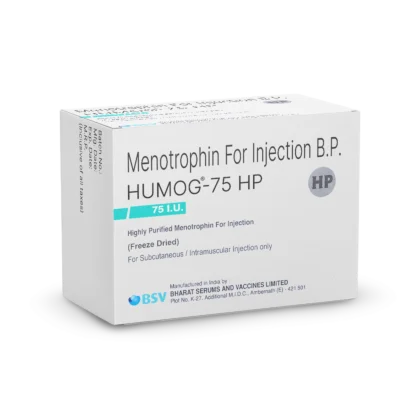
Humog 75-HP Injection
Promotes follicular development and egg maturation to support reproductive success in controlled clinical environments.
Navigating the journey toward parenthood can feel overwhelming, especially when the body requires additional support for conception. Assisted reproduction involves clinical protocols designed to encourage healthy follicle development and support egg maturation. Three formulations are listed below, focusing on gonadotropin-class medications including menotropins (Humog 75-HP, Ivf M 150 IU, and Menotas 150 IU/ml injections).
Promotes follicular development and egg maturation to support reproductive success in controlled clinical environments.
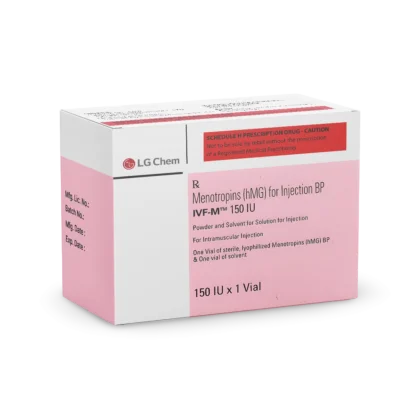
Promotes follicular development and egg maturation by mimicking natural reproductive hormones to support conception outcomes.
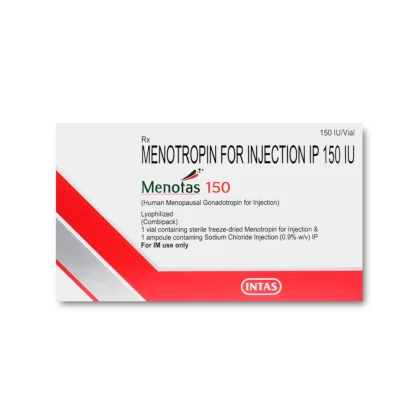
Supports natural follicular development by mimicking hormones that guide the maturation of eggs within the ovaries.
The desire for a child is deep-rooted, yet many individuals and couples face biological barriers that make natural conception difficult. Assisted reproduction refers to a range of medical procedures and hormonal protocols that support the reproductive process by helping the ovaries produce mature, viable eggs. This approach focuses on optimizing the internal environment to improve the likelihood of successful fertilization.
Behind these medical processes are real experiences of hope, perseverance, and complex decision-making. Hormonal support functions by mimicking the body’s natural signals to stimulate follicular growth. When a provider recommends these protocols, they are addressing specific physiological needs, ranging from irregular ovulation patterns to advanced fertility planning, to provide the necessary support for your unique reproductive goals.
Treatment approaches center on hormone therapy, specifically the use of gonadotropins. These medications work by stimulating the ovaries to develop multiple follicles, which house the eggs. By providing the necessary chemical cues, these treatments assist the body in preparing for procedures like in vitro fertilization (IVF) or intrauterine insemination (IUI).
Across international markets, including sites like the United States, United Kingdom, and Australia, these medications are strictly dispensed under the direct supervision of a reproductive endocrinologist or fertility specialist. Because these hormones directly influence ovarian function, constant monitoring through blood tests and ultrasounds is essential. This clinical oversight ensures that the treatment remains aligned with your body’s specific response to the hormone stimulation.
The medications used in this field are almost exclusively injectable, chosen for their ability to deliver precise hormone doses directly into the system. The primary goal of these options is to provide consistent, reliable stimulation during your cycle.
Menotropins are a purified extract that provides a balance of two essential hormones: follicle-stimulating hormone (FSH) and luteinizing hormone (LH). This combination acts to nourish the developing follicles in your ovaries. Because they mirror the hormones your pituitary gland releases naturally, they are a frequent choice for stimulating the maturation process.
The effectiveness of these injections depends heavily on the timing of each dose. Injectable forms are used because they bypass the digestive system, allowing the hormones to reach the target tissue efficiently. Your specialist determines the specific strength based on your hormonal profile, adjusting the dosage throughout your cycle to achieve the most favorable outcome while minimizing the risk of overstimulation.
The use of injectable hormones requires a comprehensive baseline assessment of your reproductive health. Specialist providers evaluate your ovarian reserve and overall health history to determine whether these medications are appropriate. Because these treatments are designed to induce significant physiological changes, they are reserved for cases under active medical supervision.
Hormonal stimulation may lead to side effects related to how your ovaries respond to the medication. Common observations include local tenderness at the injection site or internal sensations of fullness as follicles develop. Some patients experience mild to moderate digestive discomfort or mood fluctuations; however, severe reactions indicate that the treatment protocol requires immediate adjustment by your clinical team.
Your specialist balances these medications in the context of your existing health conditions and any other medicines you may be taking. Certain health factors, such as underlying hormonal imbalances or prior response to stimulation, significantly influence the safety and direction of your treatment. Product labeling and verified clinical sources remain the correct references for specific contraindications, interactions, and potential reactions.
This page provides an educational overview of assisted reproduction and the medication categories listed — not medical advice. Individual products differ in active ingredient, formulation, strength, and directions. The page does not authorize self-directed selection, clinical interpretation, or unsupervised use. Readers should review individual product labeling and speak with a healthcare professional when clinical judgment is needed.