

Depo-Medrol 40 Mg Injection 1ml
Suppresses inflammatory immune responses and eases swelling in conditions ranging from severe allergies to joint pain.
Finding relief from persistent joint discomfort starts with understanding the unique challenges that chronic inflammation brings to your daily life. Managing the physical burden involves a range of options, including corticosteroids and non-steroidal anti-inflammatory drugs. Five formulations are listed below, covering options like Depo-Medrol, Kenacort, Medrol, and Voltaflam to address your specific symptoms.
Suppresses inflammatory immune responses and eases swelling in conditions ranging from severe allergies to joint pain.

Reduces skin inflammation and swelling by shifting the immune response at the surface level where applied.
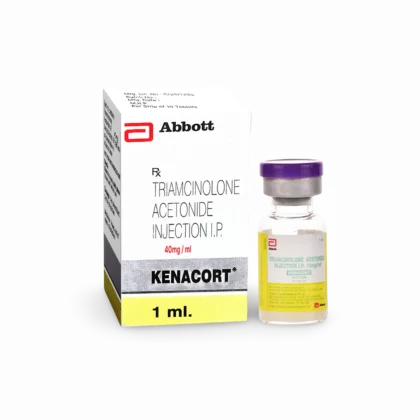
Reduces inflammation and suppresses overactive immune responses in various tissues to ease pain and swelling.
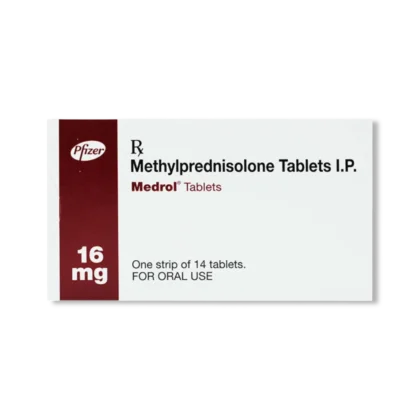
Reduces inflammatory responses and immune-driven symptoms by suppressing chemicals that cause swelling, redness, and pain.

Reduces pain and swelling by blocking chemicals in your body that trigger inflammatory responses at the source.
Arthritis often feels like more than just joint pain; it can be an constant, exhausting interruption to your routine. It encompasses various conditions characterized by inflammation within the joints, which leads to swelling, tenderness, and a noticeable reduction in your range of motion. When the cartilage that cushions your bones begins to wear down or the lining of your joints becomes inflamed, simple movements can become significant hurdles.
Living with this condition frequently involves navigating flare-ups that vary in intensity. Factors such as autoimmune responses, wear and tear over time, or previous injuries contribute to the development of these symptoms. Because the experience of joint pain is deeply individual, finding a routine that eases stiffness and helps you regain mobility is a priority for many people navigating these health patterns.
Management focuses on reducing inflammation, controlling pain, and preserving joint function to maintain your independence. The treatment landscape broadly spans two primary categories: corticosteroids and non-steroidal anti-inflammatory drugs (NSAIDs). Identifying the right approach depends on the underlying cause of your discomfort and how your body responds to specific active ingredients.
Corticosteroids are potent agents used to dampen the immune system’s inflammatory response, often providing rapid relief during acute flare-ups. In contrast, NSAIDs work by blocking specific enzymes that trigger pain and inflammation throughout the body. While corticosteroids are often used for localized or systemic inflammatory control, NSAIDs serve as a foundational approach for managing daily discomfort and stiffness across various global markets.
The medication categories available to you each serve different roles in addressing joint health. Understanding these distinctions is a helpful step before discussing your path forward with a healthcare provider.
These medications mimic hormones your body produces naturally to combat inflammation. They are commonly seen in both injectable forms for direct joint or systemic relief and topical creams for localized application. By slowing the immune response, they assist in calming tissues that are red, swollen, or painful.
NSAIDs are frequently used to manage chronic ache and acute inflammation. These medications are often taken orally to provide systemic relief, focusing on inhibiting the production of prostaglandins, which are chemicals in your body that signal pain. Because they work on the body as a whole, they are often chosen for consistent, ongoing management of movement-related stiffness.
Discuss your full medical history with a provider, particularly if you have underlying cardiovascular or gastrointestinal health factors. Certain medications in this category may be unsuitable if you have specific heart, kidney, or liver conditions that require careful monitoring.
Everyone experiences joint treatment differently, and your personal threshold for various drug classes may vary. Some medications may lead to changes in stomach comfort or blood pressure, necessitating a proactive approach to monitoring how your body responds to a new regimen.
Be aware that medications meant for arthritis can interact with other treatments, including blood thinners or medicines for high blood pressure. Maintaining an updated list of all your current health products ensures you avoid unintended interactions. Product labeling and verified clinical sources remain the correct references for specific contraindications, interactions, and potential reactions.
Corticosteroid : A class of powerful anti-inflammatory medication that mimics naturally occurring hormones to reduce swelling and immune responses.
Inflammation : The body’s immune-mediated response to injury or irritation, resulting in pain, redness, stiffness, and localized heat in joints.
NSAID : A common class of medication used to reduce pain, fever, and inflammation by inhibiting specific body enzymes.
This page provides an educational overview of Arthritis and the medication categories listed — not medical advice. Individual products differ in active ingredient, formulation, strength, and directions. The page does not authorize self-directed selection, clinical interpretation, or unsupervised use. Readers should review individual product labeling and speak with a healthcare professional when clinical judgment is needed to determine the most suitable path for their specific health needs.