
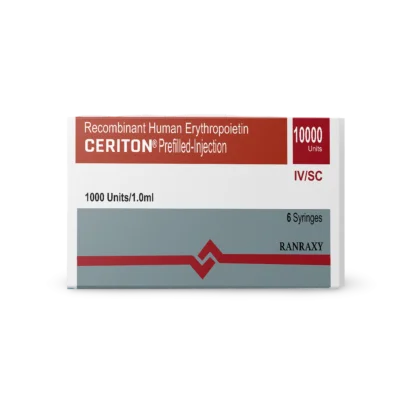
Ceriton Epo 10000 IU 1 ml Injection
Stimulates red blood cell production in the bone marrow to improve oxygen delivery throughout the body.
Living with chronic kidney disease brings many challenges, and feeling constantly tired due to low red blood cell counts is a significant, exhausting hurdle. Managing this transition requires focus on hormone-based support. The 14 formulations listed below include erythropoiesis-stimulating agents (ESAs) such as epoetin alfa (Epocept, Eprex, Renocel) and darbepoetin alfa (Darbecure, Darbelife, Kabidarba).
Stimulates red blood cell production in the bone marrow to improve oxygen delivery throughout the body.

Stimulates red blood cell production in your bone marrow to increase hemoglobin levels and support oxygen delivery.

Stimulates red blood cell production in your bone marrow to increase hemoglobin levels and improve oxygen transport.

Stimulates red blood cell production to boost hemoglobin levels and address symptoms of anemia in chronic health conditions.

Stimulates red blood cell production in your bone marrow to correct low hemoglobin levels in chronic anemia.

Stimulates red blood cell production in the bone marrow to increase hemoglobin levels and improve oxygen delivery.
Stimulates red blood cell production in the bone marrow to address low hemoglobin levels and associated fatigue.

Stimulates red blood cell production in your bone marrow to increase oxygen levels in your bloodstream.
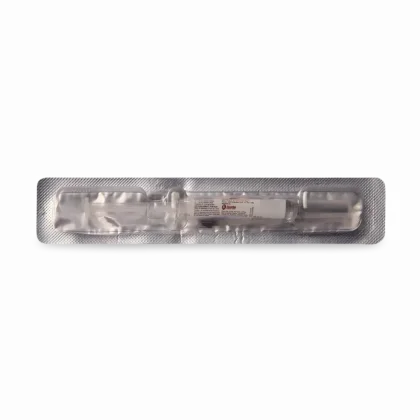
Stimulates red blood cell production in your bone marrow to increase hemoglobin levels and support oxygen transport efficiency.
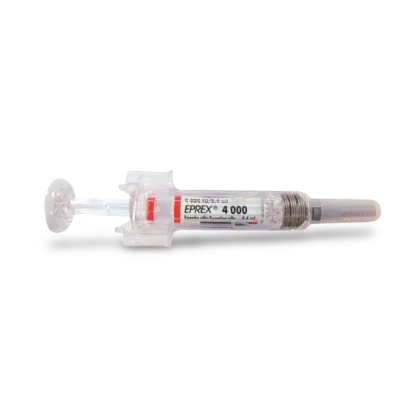
Stimulates red blood cell production in your bone marrow to address deficiencies caused by specific medical conditions.
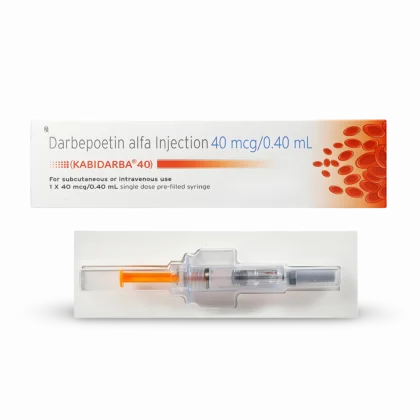
Stimulates red blood cell production in your bone marrow to increase hemoglobin levels and support oxygen transport.
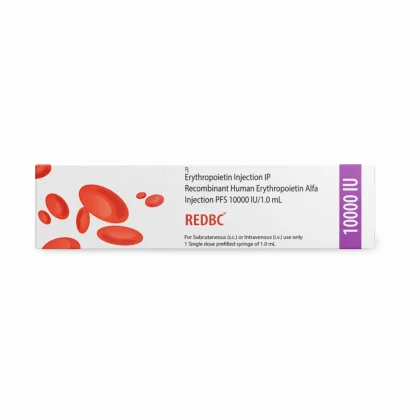
Stimulates red blood cell production in the bone marrow to increase hemoglobin levels and improve oxygen delivery.

Stimulates red blood cell production in your bone marrow to increase oxygen-carrying capacity in your bloodstream.
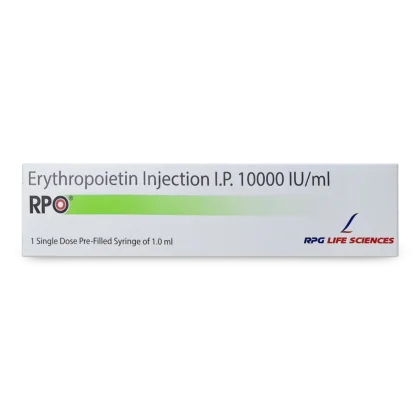
Stimulates red blood cell production in the bone marrow to address anemia resulting from chronic disease states.
Your kidneys perform a vital role beyond filtering waste—they release a hormone called erythropoietin. This hormone signals your bone marrow to produce red blood cells, which carry oxygen throughout your body. When kidney function declines, this hormonal signal weakens, causing red blood cell production to drop significantly.
This reduction often leads to persistent fatigue, weakness, shortness of breath, and a pale appearance. Because these symptoms develop gradually alongside kidney decline, many people struggle to recognize how much their energy levels have shifted. Understanding the relationship between kidney health and blood production is the first step toward discussing appropriate support with a medical provider.
Treatment centers on replacing the missing hormonal signal to encourage your bone marrow to resume red blood cell production. Erythropoiesis-stimulating agents (ESAs) are the primary class of medications used to address this hormonal deficit. These medications mimic the function of natural erythropoietin, helping to increase hemoglobin levels and reduce the need for blood transfusions.
Medication plans for this condition require careful monitoring of iron levels, as ESAs are most effective when your body has sufficient iron stores to build new blood cells. Across global markets, including international centers in the United States, United Kingdom, Australia, and Canada, these treatments are strictly regulated. They require specialized medical oversight to determine the appropriate dose based on your specific hemoglobin targets and underlying kidney health.
Medications for this condition are generally categorized by the type of synthetic hormone they provide. While they all aim to stimulate red blood cell production, they differ in their structure and how long they remain active in your system.
Epoetin alfa is a biosynthetic form of human erythropoietin that provides a shorter-acting hormonal signal. Because it is metabolized more quickly, it is often administered on a more frequent schedule to maintain steady levels of red blood cell production.
Darbepoetin alfa is an engineered version of the hormone designed for a longer duration of action. The structural differences allow the medication to persist in your system for a longer time, which may enable less frequent administration for some patients while maintaining the necessary signal for blood cell production.
These medications are intended only for patients with established chronic kidney disease. Your healthcare team will assess your current hemoglobin levels and iron status before initiation, as building new blood cells is an iron-intensive process. Managing blood pressure is also a frequent focus, as blood cell increases can influence cardiovascular stability.
Common reactions related to these medications often involve mild injection site discomfort or flu-like symptoms, such as headaches or joint aches, during the initial phases of use. Because these agents directly influence blood composition, medical providers monitor for potential changes in blood pressure and clotting risks. Any sudden change in symptoms warrants prompt communication with your primary care team.
ESAs are highly specific, but their efficacy can be affected by other medications that influence blood clotting or bone marrow activity. Factors like uncontrolled high blood pressure or significant cardiovascular issues require thorough evaluation before beginning this therapy. Product labeling and verified clinical sources remain the correct references for specific contraindications, interactions, and potential reactions.
This page provides an educational overview of anemia from chronic kidney disease and the medication categories listed — not medical advice. Individual products differ in active ingredient, formulation, strength, and directions. The page does not authorize self-directed selection, clinical interpretation, or unsupervised use. Readers should review individual product labeling and speak with a healthcare professional when clinical judgment is needed.