
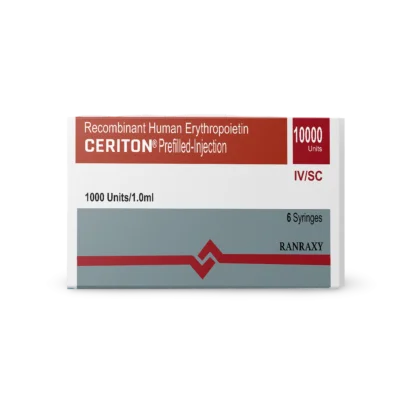
Ceriton Epo 10000 IU 1 ml Injection
Stimulates red blood cell production in the bone marrow to improve oxygen delivery throughout the body.
Living with cancer treatment often brings unexpected challenges, and experiencing persistent exhaustion due to low red blood cell counts is a significant burden. When anemia from chemotherapy impacts your daily life and comfort, medical teams may discuss options to support your body’s natural processes. Fourteen formulations are listed below, specifically erythropoiesis-stimulating agents including epoetin and darbepoetin.
Stimulates red blood cell production in the bone marrow to improve oxygen delivery throughout the body.

Stimulates red blood cell production in your bone marrow to increase hemoglobin levels and support oxygen delivery.
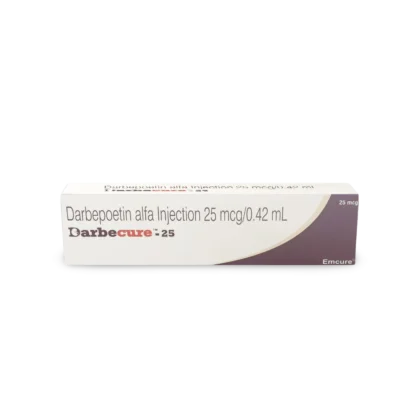
Stimulates red blood cell production in your bone marrow to increase hemoglobin levels and improve oxygen transport.
Stimulates red blood cell production to boost hemoglobin levels and address symptoms of anemia in chronic health conditions.
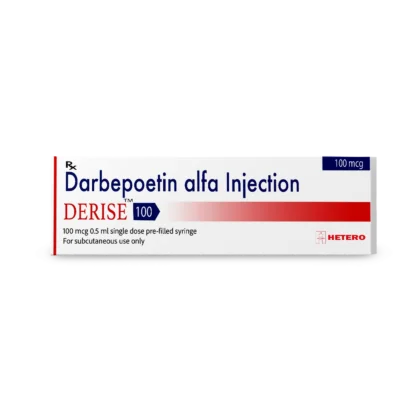
Stimulates red blood cell production in your bone marrow to correct low hemoglobin levels in chronic anemia.

Stimulates red blood cell production in the bone marrow to increase hemoglobin levels and improve oxygen delivery.
Stimulates red blood cell production in the bone marrow to address low hemoglobin levels and associated fatigue.
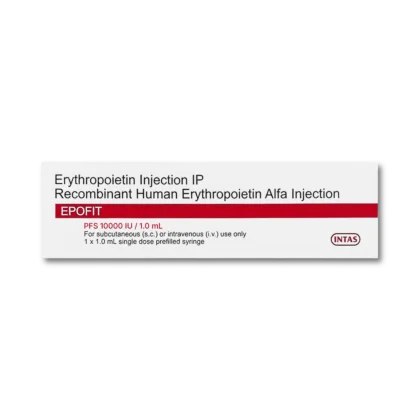
Stimulates red blood cell production in your bone marrow to increase oxygen levels in your bloodstream.
Stimulates red blood cell production in your bone marrow to increase hemoglobin levels and support oxygen transport efficiency.
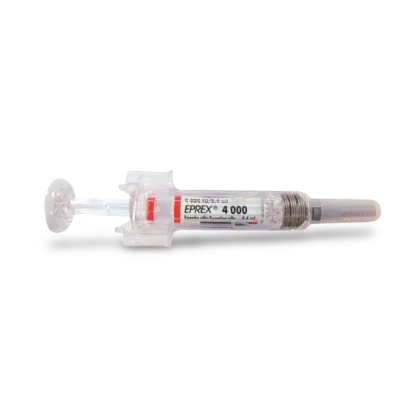
Stimulates red blood cell production in your bone marrow to address deficiencies caused by specific medical conditions.
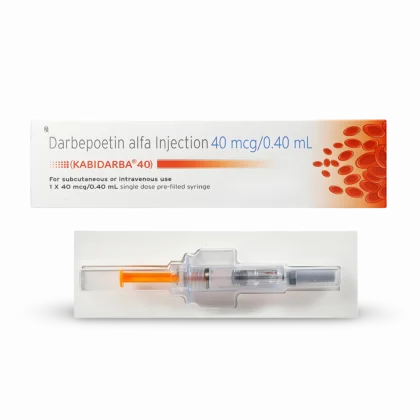
Stimulates red blood cell production in your bone marrow to increase hemoglobin levels and support oxygen transport.
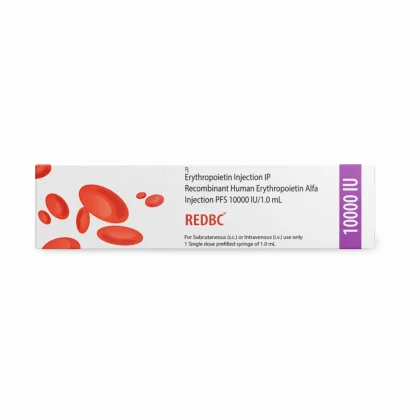
Stimulates red blood cell production in the bone marrow to increase hemoglobin levels and improve oxygen delivery.
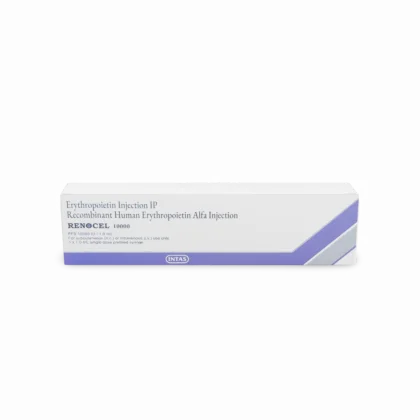
Stimulates red blood cell production in your bone marrow to increase oxygen-carrying capacity in your bloodstream.
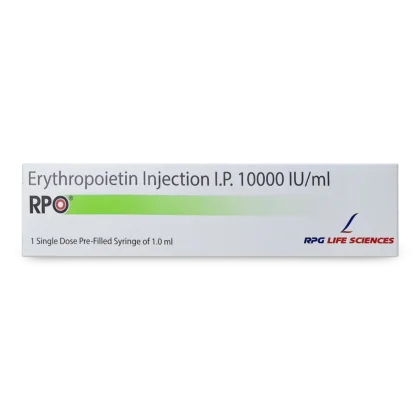
Stimulates red blood cell production in the bone marrow to address anemia resulting from chronic disease states.
Anemia from chemotherapy develops when cancer treatments, such as certain systemic medicines, interfere with the bone marrow’s ability to produce enough oxygen-carrying red blood cells. Because these cells are essential for transporting oxygen throughout your body, a deficiency often results in profound physical fatigue, lightheadedness, and shortness of breath. This condition differs from nutritional anemia because it is a direct consequence of the body’s response to cytotoxic agents used to combat tumors.
Managing this state requires careful monitoring by an oncology team. Since the body is struggling to maintain necessary cell levels, you may feel as though simple daily tasks take a disproportionate amount of effort. Recognizing these signs early allows for proactive discussions with your healthcare providers, who manage these levels to ensure you maintain sufficient stamina during your primary treatment cycles.
Treatment for anemia from chemotherapy primarily focuses on stimulating the bone marrow to accelerate the production of red blood cells. The standard approach involves injecting erythropoiesis-stimulating agents, which are synthetic versions of the hormone naturally produced by your kidneys to signal the body to create more blood cells. By supplementing this signaling process, physicians can assist in stabilizing your hemoglobin levels, which often reduces the intensity of fatigue.
These agents are administered by injection, either intravenously or subcutaneously, ensuring the medicine is available to work throughout the body. While these therapies are effective at boosting cell counts, they are used selectively based on blood test results and specific oncology guidelines. Patients across international markets often coordinate these injections with their oncology infusion schedules to ensure consistent management throughout their broader treatment plan.
Medications for this condition are categorized by the specific protein or hormone they mimic. The two primary drug classes represented in this category are epoetin-based agents and darbepoetin-derived agents. While both work to encourage red blood cell production, they vary in their molecular structure and how long they remain active in your system after an injection.
Epoetin formulations generally require more frequent administration to maintain steady levels in the blood, reflecting the natural cycle of the body’s own hormone. Conversely, darbepoetin is engineered for a longer duration of action, which may allow for less frequent dosing intervals. Each injectable form is designed to reach the bone marrow efficiently, but your medical team will select the specific formulation based on your individualized hemoglobin targets and the intensity of your current chemotherapy regimen.
These medications are used under strict medical supervision because they directly influence blood cell production. Your healthcare provider will perform regular blood tests to establish a baseline and monitor your response, ensuring that hemoglobin levels do not exceed specific clinical targets. This monitoring is essential to prevent complications while supporting your energy levels during cancer therapy.
Injectable agents can sometimes cause temporary discomfort at the site of injection or systemic reactions such as headaches or muscle aches. Because these medicines impact the blood-forming system, they are monitored carefully for any signs of an adverse immune or circulatory response. Your medical team will oversee how your body tolerates the therapy and adjust the frequency or dosage accordingly.
Certain pre-existing conditions, particularly related to cardiovascular health or blood pressure regulation, require careful evaluation before using these stimulants. These medications interact with the physiological state of your blood, meaning your doctor must account for your complete medical profile before prescribing. Product labeling and verified clinical sources remain the correct references for specific contraindications, interactions, and potential reactions.
This page provides an educational overview of anemia from chemotherapy and the medication categories listed — not medical advice. Individual products differ in active ingredient, formulation, strength, and directions. The page does not authorize self-directed selection, clinical interpretation, or unsupervised use. Readers should review individual product labeling and speak with a healthcare professional when clinical judgment is needed.