
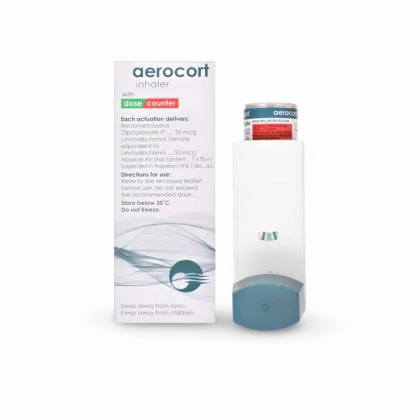
Aerocort Inhaler 50 mcg + 50 mcg
Delivers a dual-action approach to airway management by reducing inflammation and opening restricted breathing passages.
Waking up with persistent sneezing, congestion, and itchy eyes can cast a shadow over your entire day. Finding relief from these symptoms often requires understanding which medication categories effectively target your specific irritation. Twelve formulations are listed below, including inhaled and nasal corticosteroids, combination corticosteroid-bronchodilator inhalers, and a single oral leukotriene receptor antagonist.
Delivers a dual-action approach to airway management by reducing inflammation and opening restricted breathing passages.
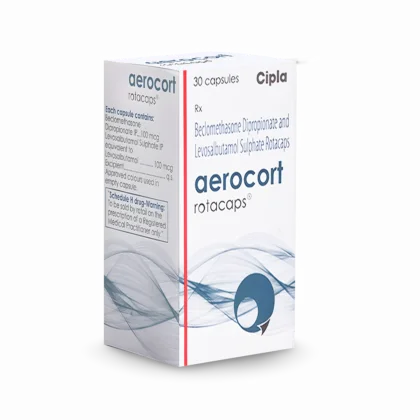
Combines a corticosteroid and a bronchodilator to both reduce airway inflammation and open restricted breathing passages.
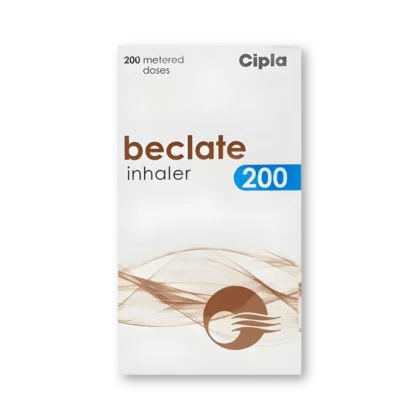
Reduces airway inflammation to prevent breathing difficulty and manage chronic respiratory conditions effectively.
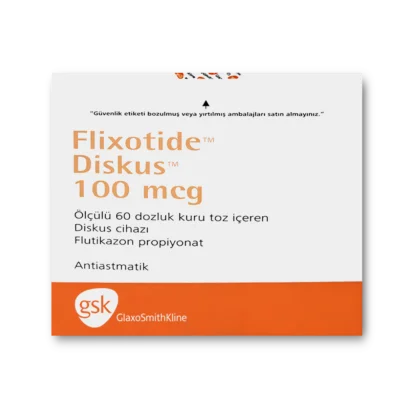
Reduces inflammation in the airways to prevent breathing difficulties and persistent symptoms associated with respiratory conditions.
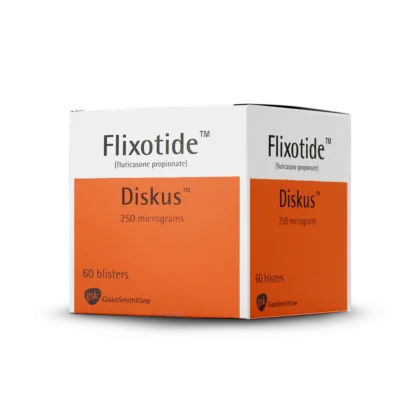
Reduces inflammation in the airways to improve airflow and prevent symptoms like wheezing, tightness, and coughing.

Reduces inflammation in nasal passages to help you manage lingering allergy symptoms throughout the seasons.
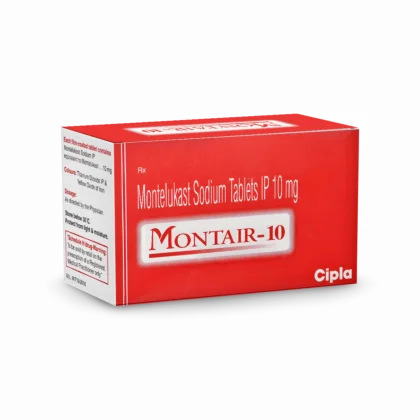
Blocks specific inflammatory proteins in the airways to help manage chronic asthma and seasonal allergy symptoms.

A combination inhaler that relaxes airways and reduces inflammation to support easier breathing in chronic conditions.
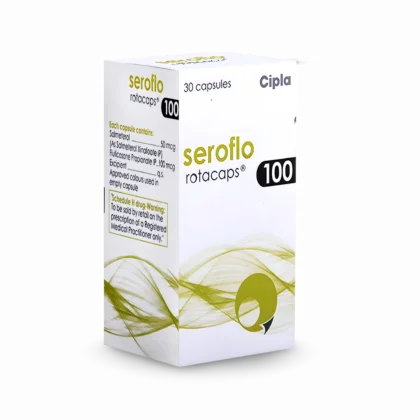
Supports clear airways by combining a long-acting bronchodilator to relax muscles and a steroid to reduce inflammation.
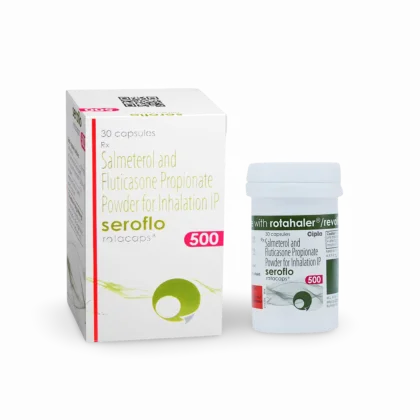
Combines a long-acting bronchodilator with an anti-inflammatory steroid to open airways and reduce chronic lung inflammation.
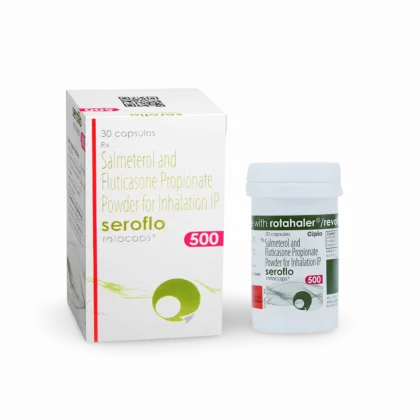
Opens constricted airways and reduces chronic inflammation in the lungs to support easier, more regular breathing.
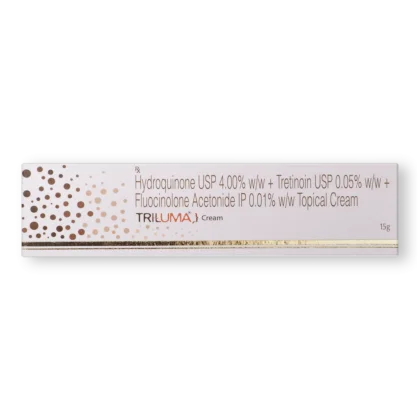
Addresses skin discoloration by slowing melanin production, reducing inflammation, and accelerating the natural cycle of skin turnover.
Allergic rhinitis occurs when your immune system overreacts to harmless airborne particles, such as pollen, pet dander, or dust mites. This reaction triggers the release of inflammatory chemicals in your nasal passages, leading to the discomfort you feel as congestion, repetitive sneezing, and watery, inflamed eyes. It is a common condition that can range from mild, intermittent irritation to chronic, daily distress.
Living with this sensitivity often means navigating environmental shifts that can make breathing feel heavy or uncomfortable. Because your body perceives these common allergens as threats, the inflammation can persist as long as the trigger remains in your environment. Managing this effectively involves not only limiting exposure but also utilizing evidence-based medication classes designed to settle the underlying inflammatory response.
Effective management involves distinct classes of medicine, each designed to quiet the inflammatory cascade at different points. Corticosteroids act by reducing the swelling and mucus production within your nasal passages and airways. These are frequently used as the primary approach for chronic cases because they address the inflammation directly at the site of the reaction.
Leukotriene receptor antagonists take a different route by specifically blocking the chemical signals that lead to airway swelling and tightening. For individuals whose symptoms include both nasal congestion and bronchial sensitivity, combination products may be used. These often combine a corticosteroid with a long-acting bronchodilator, which keeps the airways open while simultaneously calming the internal tissue irritation.
Treatment accessibility varies across global markets, including the United Kingdom, Canada, and Australia. While some nasal sprays are available over the counter for routine use, many corticosteroid-inhalers and complex combination agents remain focused on specific diagnoses managed alongside your healthcare provider. Understanding these categories is the first step toward finding the right path for your health.
Navigating the options available for allergic rhinitis can feel overwhelming, but categorizing them by how they work simplifies the process. Medications in this repository generally fall into two primary delivery approaches: topical delivery to the nasal passages or airways, and oral systemic treatment.
These formulations work locally to reduce the sensitivity of nasal and bronchial tissues. By applying the medicine directly where the inflammation is most intense, these sprays and inhalers aim to clear blockages and reduce the body’s reactive swelling. This localized effect is often preferred when the primary concern is persistent nasal congestion or tightness.
Unlike sprays that work at the site of contact, these oral tablets function systemically by blocking the inflammatory chemicals circulating in your body. This class is often added as a secondary option when local treatments alone do not provide enough relief or when the symptoms are widespread.
The most sophisticated options in this category combine two distinct functions. One component acts quickly to relax the muscles around the airways to make breathing easier, while the second component provides a steady, anti-inflammatory effect. These are specialized formulations typically reserved for more complex cases where simple inflammation control is insufficient.
Ensure that you are addressing your specific symptoms, as allergic rhinitis can sometimes be confused with viral infections or sinus structural issues. Discuss your full medical history with a provider to ensure the selected medication class does not conflict with existing health conditions, such as high blood pressure or glaucoma.
Inhaled and nasal formulations can cause localized dryness or irritation in the throat and nose if used incorrectly. Systemic medications, such as oral antagonists, may affect your mood or sleep patterns in rare instances. Monitoring how your body reacts to the initial application of any new medication is a standard part of responsible management.
Many anti-inflammatory medications for the airways may interact with other medicines, particularly those affecting the heart or blood pressure. If you are currently taking other prescriptions, verify that your new treatment plan remains compatible to avoid unwanted side effects. Product labeling and verified clinical sources remain the correct references for specific contraindications, interactions, and potential reactions.
This page provides an educational overview of allergic rhinitis and the medication categories listed — not medical advice. Individual products differ in active ingredient, formulation, strength, and directions. This page does not authorize self-directed selection, clinical interpretation, or unsupervised use. You should review individual product labeling and speak with a healthcare professional when clinical judgment is needed.