
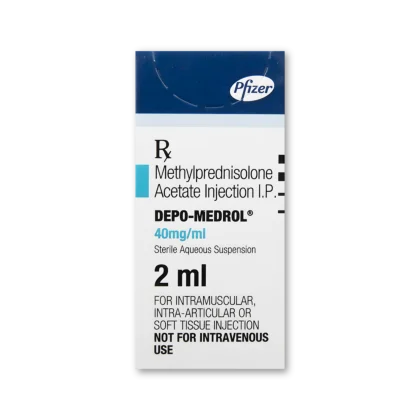
Depo-Medrol 40 Mg Injection 1ml
Suppresses inflammatory immune responses and eases swelling in conditions ranging from severe allergies to joint pain.
Managing persistent allergic responses can feel overwhelming when daily life is interrupted by ongoing inflammation and sensitivity. These allergic conditions occur when the immune system overreacts to external triggers, leading to physical discomfort. Six formulations are listed below, primarily utilizing corticosteroids in oral tablet, injectable, and ophthalmic forms to address inflammatory symptoms across various systems.
Suppresses inflammatory immune responses and eases swelling in conditions ranging from severe allergies to joint pain.
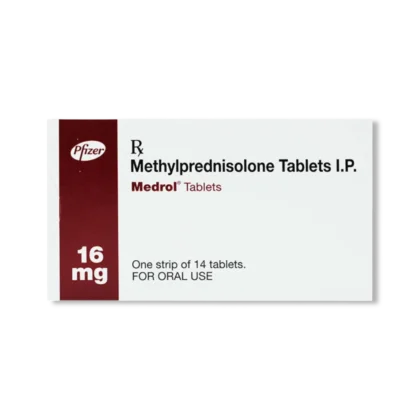
Reduces inflammatory responses and immune-driven symptoms by suppressing chemicals that cause swelling, redness, and pain.
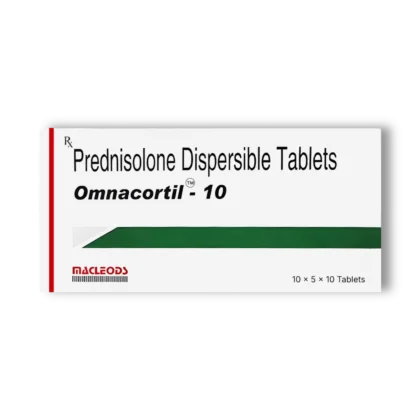
Reduces inflammation and modifies immune responses to manage various allergic, autoimmune, and inflammatory physical conditions.
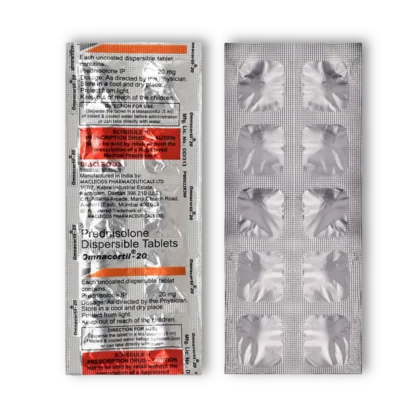
Reduces inflammatory and immune system responses by suppressing specific pathways that trigger swelling and allergic reactivity.
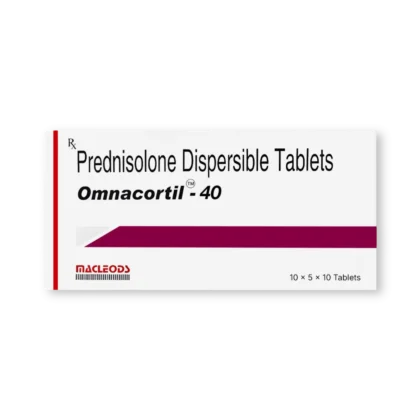
Reduces immune system responses and lowers tissue inflammation by mimicking natural hormones produced by your adrenal glands.
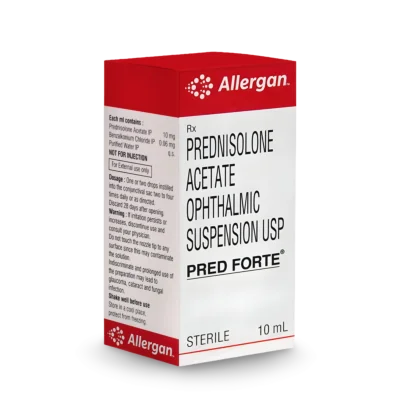
Reduces inflammatory responses by suppressing the immune system to ease swelling, redness, and underlying tissue irritation.
Allergic conditions develop when the immune system identifies harmless substances—such as pollen, animal dander, or contact materials—as significant threats. This misidentification triggers a cascade of chemical releases, resulting in symptoms like swelling, redness, and itching. Rather than a singular illness, these conditions represent a range of responses that can manifest in the respiratory system, on the skin, or within the eyes.
For many, these conditions are not merely seasonal inconveniences but persistent factors that impact quality of life. Whether manifesting as localized skin reactions or more widespread systemic episodes, the core issue remains an oversensitive immune response. Understanding your specific triggers is often the first step in managing the physical manifestations of these reactions effectively.
Treatment for allergic conditions generally focuses on moderating the immune response to reduce inflammation and associated symptoms. Corticosteroids represent a primary treatment category for these conditions. These agents function by mimicking natural hormones to dampen the body’s inflammatory process, providing relief in cases where milder interventions are insufficient.
Across global markets, these medications are typically subject to strict regulatory oversight due to their potency and potential influence on systemic health. While oral tablets like those containing methylprednisolone or prednisolone are often used for systemic relief, localized forms such as ophthalmic suspensions or injectables target specific affected areas. Access to these treatments is consistently managed through medical supervision to ensure they are appropriate for the patient’s specific health profile.
The treatments listed represent distinct delivery methods, each designed to reach different areas of the body where allergic symptoms occur:
Oral tablets provide a systemic approach to treatment. Once ingested, these medications are processed by the body to address inflammation from within. They are typically utilized when symptoms are widespread or do not respond to localized treatment, helping to quiet the overall immune-driven inflammatory response.
Injectable corticosteroids offer a method for delivering the medication directly into the body’s circulation when rapid, systemic moderation of inflammation is clinically required. In contrast, ophthalmic preparations are formulated specifically for direct application to the eye. These topical solutions bypass the need for systemic circulation to address localized allergic reactions limited to the ocular tissues.
These medications carry significant biological effects and should only be initiated after a thorough assessment of your existing health history. Factors such as blood pressure status, bone density, and electrolyte balance are essential considerations for medical professionals when determining if a corticosteroid is appropriate. Never initiate this class of treatment without a formal clinical evaluation of your specific allergic reaction.
Because these medications influence the immune system, their use may be associated with various physiological changes, ranging from fluid retention to shifts in mood or sleep patterns. Tolerability varies significantly between individuals, and the delivery method—whether oral, injectable, or topical—can influence the likelihood and nature of these responses. It is essential to monitor for any unexpected symptoms during the course of treatment.
Corticosteroids possess a broad potential for interactions with other medications, including those for blood sugar management, anticoagulants, and certain vaccines. Existing conditions, particularly those involving the kidneys, liver, or heart, require careful clinical weighing before use. Always disclose all current medications to your provider to avoid complications. Product labeling and verified clinical sources remain the correct references for specific contraindications, interactions, and potential reactions.
Corticosteroid : A class of potent anti-inflammatory agents that mimic hormones to reduce immune system overactivity.
Systemic Treatment : A medication approach that travels through the bloodstream to affect the entire body rather than just a localized area.
Ophthalmic : A term used to describe preparations intended for administration directly into the eye.
This page provides an educational overview of allergic conditions and the medication categories listed—not medical advice. Individual products differ in active ingredient, formulation, strength, and directions. The page does not authorize self-directed selection, clinical interpretation, or unsupervised use. Readers should review individual product labeling and speak with a healthcare professional when clinical judgment is needed to determine the appropriate course of treatment.