
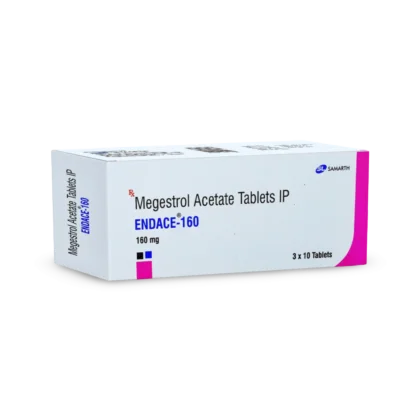
Endace 160 Mg Tablet
Supports nutritional intake and manages condition-related weight loss by altering hormonal balance within the body.
Facing an advanced endometrial cancer diagnosis often brings a deep sense of uncertainty and overwhelming concern for your future. Understanding your treatment options provides a small measure of clarity during an incredibly challenging time. The one formulation listed below utilizes progestin-based hormone therapy to address cancer cells that have traveled beyond the initial site.
Supports nutritional intake and manages condition-related weight loss by altering hormonal balance within the body.
Endometrial cancer develops in the endometrium, which is the inner lining of the uterus. When clinicians describe the condition as advanced, it indicates the disease has extended beyond the primary site into surrounding pelvic tissues or distant organs. This stage of the disease requires systemic treatment approaches designed to reach cancer cells regardless of their location within the body.
The emotional weight of this diagnosis is immense, and patients often navigate complex feelings while coordinating with a team of oncologists. Beyond the physical symptoms, such as abnormal bleeding or pelvic pain, the condition necessitates a focus on quality of life and symptom management. Receiving care involves a partnership with healthcare providers to monitor disease activity and adjust therapeutic plans based on individual progress.
Treatment for this condition typically involves systemic therapy, which works throughout the body to slow or stop the growth of malignant cells. For many, hormone therapy serves as a foundational approach, particularly when the cancer is found to be hormone-receptor positive. This type of systemic treatment aims to alter the levels of specific hormones that may encourage tumor growth, thereby checking disease progression.
In addition to hormone therapies, oncologists may integrate chemotherapy, targeted therapies, or immunotherapies depending on the molecular profile of the cancer. Patients across international markets often have access to a combination of these approaches, as clinical guidelines frequently evolve to include newer targeted agents. Developing a care plan requires close consultation with a specialist who understands the unique biological characteristics of your specific diagnosis.
Hormone-based medications, specifically high-dose progestins, remain a primary category for managing advanced endometrial cancer. These agents work by mimicking natural hormones to suppress the growth signaling that certain cancer cells rely on. By balancing the hormonal environment, these therapies can assist in stabilizing the disease and managing symptoms associated with advanced spread.
Patients often discuss the choice between oral medications and other delivery forms with their oncology team. Oral progestins offer a consistent method of administration, allowing for daily maintenance of systemic therapeutic levels. When considering these options, the focus remains on how the medication fits into your broader care plan and its role in controlling long-term disease progression.
Systemic therapies require a thorough evaluation of your overall health, including cardiovascular function and history of clotting disorders. Because these medications work throughout the body, your care team must consider any underlying conditions that could impact how you tolerate hormone-based agents. Open communication with your specialist is the most reliable way to ensure that your treatment plan aligns with your specific health profile.
Hormone therapies and systemic agents can lead to varied physical responses, as each person processes these medications differently. Common experiences might include changes in energy levels, fluid retention, or shifts in mood as your body adjusts to the therapy. These reactions do not necessarily indicate how well the treatment is working, but they are important to track and report to your medical team as they manage your comfort and well-being.
Other medicines, including over-the-counter supplements and herbal products, may interact with systemic cancer treatments and alter their effectiveness. It is essential to provide your oncologist with a complete history of all medications you take, regardless of how minor they may seem. Product labeling and verified clinical sources remain the correct references for specific contraindications, interactions, and potential reactions.
This page provides an educational overview of advanced endometrial cancer and the medication categories listed — not medical advice. Individual products differ in active ingredient, formulation, strength, and directions. The page does not authorize self-directed selection, clinical interpretation, or unsupervised use. Readers should review individual product labeling and speak with a healthcare professional when clinical judgment is needed.